 K-3
K-3P SAYRE
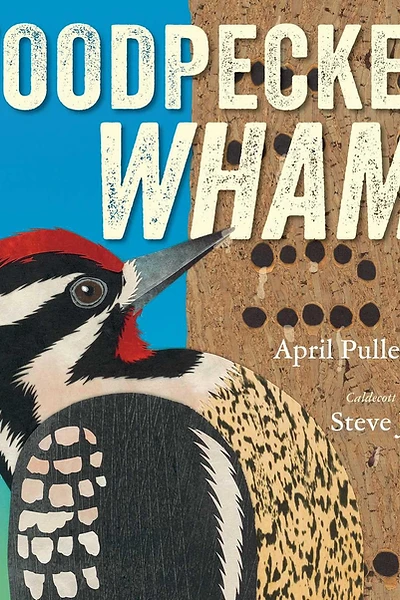
Woodpecker Wham!
by April Pulley Sayre
Pacing MaterialA rhythmic, poetic exploration of woodpeckers — their drumming, their habitats, and their remarkable adaptations — told through lively verse and stunning cut-paper illustrations.
Big Idea
Poetry and science both help us see the natural world in new and wondrous ways.
Discussion Questions
- 1.What sounds do woodpeckers make? How does the author show those sounds in words?
- 2.What did you learn about woodpeckers from this book?
- 3.How is the poetry different from a regular informational book?
- 4.What other animals could you write a poem about?
- 5.Why do woodpeckers drum on trees?
Classroom Activity
Sound Poetry
Students listen to woodpecker sounds and create their own onomatopoeic poems about an animal of their choice.
Lesson Plan
Learning Goals
- Identify and use onomatopoeia in poetry
- Understand animal adaptations through literature
- Create original poems using sound words
- Connect poetry to scientific observation
Activity Steps
- 1.Read the book aloud, emphasizing the rhythmic and sound words.
- 2.Play recordings of woodpecker drumming and other animal sounds.
- 3.Brainstorm onomatopoeic words as a class.
- 4.Have students choose an animal and write a short sound poem about it.
- 5.Share poems aloud, encouraging students to perform the sounds.
Standards Connections
- ELA: RL.K.1 — Ask and answer questions about key details
- ELA: RL.K.2 — Retell stories, including key details
- ELA: RL.K.3 — Describe characters, setting, and events
- ELA: RL.3.6 — Acknowledge differences in characters' points of view
- ELA: SL.K.1 — Participate in collaborative conversations about the text
- ELA: W.K.3 — Write narratives recounting events with descriptive details
- SEL: Responsible Decision-Making
- Art: VA:Re7 — Perceive and analyze artistic work
Pace-Write-Read Study with Pace-Write It!
Focus question: How does a poet make a nonfiction picture book feel fast, musical, and full of life? In Woodpecker Wham! by April Pulley Sayre, lively verse and bold cut-paper illustrations help readers feel the quick tapping, climbing, and flying of woodpeckers. The book uses pacing through short lines, sound words, repetition, and page turns that match the birds’ energy in nature.
| Element | How to notice or teach it in the novel |
|---|---|
| Pace | Read: Notice how Woodpecker Wham! moves with quick, energetic lines that match the pecking, tapping, and darting motion of woodpeckers. The pace often feels fast because April Pulley Sayre uses brief phrases and strong sound patterns. Classroom Activity: Write 4 short lines about an animal in motion, using only 2-5 words per line to create a fast pace. |
| Plot | Read: This poetry-based nonfiction book does not follow a traditional story plot with one main character; instead, it builds a sequence of moments showing what woodpeckers do, where they live, and how they survive. The movement from action to habitat to adaptation gives the book a natural shape. Classroom Activity: Make a simple beginning-middle-end plan for an animal poem: beginning—introduce the animal, middle—show what it does, end—show why it is special. |
| Prosody | Read: Listen to the rise and fall of the lines in Woodpecker Wham! as the words create a beat like drumming on a tree. The poem’s sound helps readers hear the woodpecker’s rhythm. Classroom Activity: Clap the beat of one page aloud, then write 3 lines that have a clear beat to match an animal sound. |
| Word pause | Read: Notice where a single word or short phrase makes you stop for a beat, helping important sounds like wham or peck stand out. These word pauses control how quickly or slowly readers move through the poem. Classroom Activity: Write a 5-line poem about a bird or bug and place one single-word line in the middle to create a pause. |
| Concept | Read: The central concept of Woodpecker Wham! is that poetry can teach science by showing how woodpeckers drum, climb, nest, and use their bodies in amazing ways. The book blends nature facts with poetic sound and movement. Classroom Activity: Choose one animal adaptation, such as claws, wings, or camouflage, and write 3 lines that teach the fact poetically. |
| Voice & World View | Read: April Pulley Sayre’s voice is curious, delighted, and full of wonder about the natural world. The book’s world view suggests that close observation of animals can be exciting, respectful, and joyful. Classroom Activity: Write 2-3 sentences in a voice of wonder about an animal you have seen, using words that show admiration. |
| Setting & Place | Read: The book places woodpeckers in trees, forests, and outdoor habitats where bark, trunks, and nesting spaces matter. The natural setting is not just background; it shapes what the woodpeckers can do. Classroom Activity: Write a short animal description that names at least 3 setting details from its habitat. |
| Point of View | Read: Woodpecker Wham! is told from an observing point of view, as if a careful watcher is noticing the birds’ actions and sounds. This outside perspective lets the book focus on behavior, movement, and facts. Classroom Activity: Write 4 lines from the point of view of a nature observer watching one animal closely. |
| Original Characters | Read: Instead of one invented hero, the woodpeckers themselves become memorable through their distinctive actions, sounds, and body features. Their drumming, climbing, and pecking make them feel like vivid poetic subjects. Classroom Activity: Invent an ‘animal character card’ for a woodpecker or another bird, listing 3 unique actions and 3 unique traits, then turn those into a 4-line poem. |
| Dialogue | Read: This book does not rely on spoken dialogue; instead, sound words and poetic phrasing do the work that dialogue might do in another text. The woodpeckers seem to ‘speak’ through tapping and drumming. Classroom Activity: Write a tiny poem in which an animal ‘talks’ using sound words, such as tap-tap, whirr, or buzz, instead of regular dialogue. |
| Details | Read: Notice the specific nature details about woodpeckers’ bodies, habitats, and behaviors that make the poetry informative as well as musical. These details ground the lively verse in real science. Classroom Activity: List 5 true details about an animal, then use 3 of them in a short poem. |
| Descriptions | Read: The descriptions in Woodpecker Wham! help readers picture bark, beaks, feathers, movement, and sound. April Pulley Sayre chooses words that are vivid but not overly long, keeping the images clear and energetic. Classroom Activity: Describe an animal using one color word, one motion word, and one sound word in a 3-line poem. |
| Strong First Lines | Read: The opening of Woodpecker Wham! grabs attention right away with sound and action, pulling readers into the bird’s world immediately. A strong first line helps set the pace from the start. Classroom Activity: Write 3 possible opening lines for a nature poem, each beginning with action or sound. |
| Immediacy & Engagement | Read: The book feels immediate because readers can almost hear the drumming and see the woodpecker in motion as the lines unfold. The language invites children to experience nature up close. Classroom Activity: Write 4 lines that make a reader feel they are right beside an animal, using at least 2 sensory details. |
| Story Scenes & Summaries & Unique Structures | Read: Woodpecker Wham! uses a structure of brief poetic scenes and informational moments rather than one continuous story. Each page or spread offers a snapshot that adds to the larger understanding of woodpeckers. Classroom Activity: Plan a poem in 3 snapshots: one scene of movement, one scene of habitat, and one scene of survival or feeding. |
| Flashback & Flash Forward & Cliffhangers | Read: This book does not use flashbacks or cliffhangers in a story sense, but page-by-page curiosity makes readers wonder what woodpeckers will do next or what fact will be revealed next. Anticipation still helps pacing. Classroom Activity: Write 3 short sections of an animal poem where each section ends with a line that makes the reader want to know more. |
| Tension & Suspense & Surprise | Read: The excitement in Woodpecker Wham! comes from the surprising ways woodpeckers use their beaks, bodies, and habitats. Readers feel surprise as they learn how these birds are specially adapted. Classroom Activity: Write a short poem that begins with a question about an animal and ends with a surprising fact. |
| Page Turns and Chapter Breaks | Read: In this picture book, page turns help control suspense and emphasis, allowing a sound, image, or fact about woodpeckers to land before the next moment appears. The turn becomes part of the rhythm. Classroom Activity: Fold a paper into 4 parts and draft a 4-page mini-book poem, planning one idea per page so each turn reveals a new detail. |
| Performance | Read: Woodpecker Wham! is perfect for oral reading because the drumming sounds, repeated beats, and short lines invite dramatic expression. The poem almost asks to be performed aloud. Classroom Activity: Rehearse reading 4 lines of your own animal poem with tapping, clapping, or table drumming to match the rhythm. |
| Personality | Read: Even in nonfiction poetry, the woodpeckers seem bold, busy, and determined because of the active verbs and lively sounds. Their personality comes through in the way they move through the natural world. Classroom Activity: Write a poem that gives an animal a clear personality trait such as busy, sneaky, brave, or cheerful. |
| Humor | Read: The playful sounds and energetic action in Woodpecker Wham! can make readers smile, especially as the bird’s drumming and busyness are presented in such a lively way. The humor grows from delight in animal behavior. Classroom Activity: Write 3 funny lines about an animal doing something surprising but true. |
| Pause | Read: Notice how line breaks, page turns, and short bursts of text create pauses between actions, almost like listening for the next peck on a tree. These pauses help readers savor the sound and image. Classroom Activity: Write a 6-line poem and use line breaks to slow the reader before the most important word. |
| Poetry and Poetic Devices | Read: Woodpecker Wham! uses poetic devices such as onomatopoeia, repetition, rhythm, and vivid imagery to bring woodpeckers and their habitats to life. These devices make nonfiction memorable. Classroom Activity: Write a 5-line animal poem that includes at least 1 sound word, 1 repeated word or phrase, and 1 image from nature. |
| Repetition | Read: Repetition in Woodpecker Wham! echoes the repeated tapping and drilling of the bird itself. Repeated words and sounds help the poem feel musical and reinforce meaning. Classroom Activity: Choose one strong word such as tap, flap, or creep and repeat it across 4 lines in a meaningful way. |
| Rhythm | Read: The rhythm of the language mirrors the steady or sudden beats of a woodpecker’s drumming. Readers can hear the animal’s action in the cadence of the poem. Classroom Activity: Write 4 lines with a beat that matches an animal action, then test the rhythm by reading it aloud. |
| Punctuation | Read: Notice how punctuation in Woodpecker Wham! helps shape the speed of reading—exclamation points can punch up excitement, while commas and line endings can slow the beat. The marks help control performance. Classroom Activity: Write the same 2-line animal poem twice, once with exciting punctuation and once with calmer punctuation, then compare the effect. |
| Questions | Read: Even when the text is not full of direct questions, the book invites readers to wonder: How can a woodpecker peck so hard? Where does it live? What makes it special? Curiosity helps move the reading forward. Classroom Activity: Write 3 questions about an animal, then answer 1 of them in a short poem. |
| Compare-Contrast | Read: Readers can compare the loud drumming woodpecker with quieter birds or notice how different woodpeckers may behave in similar habitats. The book encourages thinking about what makes this bird different. Classroom Activity: Write a compare-contrast poem using this frame: ‘A woodpecker is ___, but a ___ is ___.’ Add 3 paired lines. |
| Objects | Read: Important objects in Woodpecker Wham! include tree trunks, bark, nests, beaks, and the surfaces woodpeckers drum on. These objects are central to both the science and the poetry. Classroom Activity: Choose one object an animal uses, such as a shell, nest, web, or branch, and write 4 lines about how that object helps the animal live. |
| Threes | Read: Notice whether details come in satisfying groups, such as sounds, actions, or traits that build rhythm and completeness. Groups of three often sound especially strong in poetry. Classroom Activity: Write 3 lines beginning with the same animal name, each line sharing a different action or trait. |
| Whitespace & Negative Space | Read: The open space around the poem and illustrations gives readers time to hear the woodpecker’s beats and notice each action. White space helps the short lines feel important and energetic. Classroom Activity: On a page, write only 5 short lines about an animal and leave space around each line so the words can ‘breathe.’ |
| Art & Graphics | Read: The cut-paper illustrations in Woodpecker Wham! support pacing by showing bold shapes, movement, and natural textures that match the poem’s energy. The art helps readers understand woodpeckers’ habitats and actions. Classroom Activity: Create a quick torn-paper or cut-shape sketch of an animal, then write 3 matching poetic lines beside it. |
| Interactives & Gamification | Read: This book invites playful participation because readers can tap out rhythms, act out pecking motions, and hunt for details about woodpeckers on each page. Its sound-rich style naturally leads to interactive reading. Classroom Activity: Turn your poem into a class guessing game by writing 3 clue lines about an animal without naming it until the final line. |
Pace-Write It!
20-Minute Classroom Flow\nRead (5 min): Read Woodpecker Wham! by April Pulley Sayre aloud with expression. Tap lightly on a desk or clap softly during repeated drumming moments so students hear how the poem’s pace matches the woodpecker’s action.\nNotice (5 min): Ask: How do the short lines, sound words, repetition, and page turns make the book feel alive? Chart student notices such as fast lines, tapping sounds, nature facts, and bold illustrations.\nWrite (7 min): Invite students to write their own short nonfiction nature poem about an animal. Writing frame: ‘Look at the ____. / Hear it ____. / In the ____, it ____. / ____, ____, ____. / Amazing ____. ’ Encourage students to add one sound word, one repeated word or phrase, and one true fact about the animal.\nShare (3 min): Students read their poems aloud to a partner or small group, using their voices to show pace. Partners name one place where they heard rhythm or a strong pause.\nExit ticket: Write one sentence answering this question: How did you use pacing in your poem—through short lines, repetition, sound words, or pauses?