 PreK-2
P ALL WELCOME
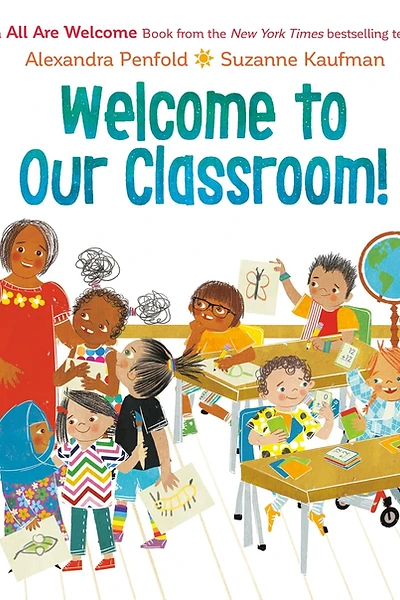
Welcome to Our Classroom!
by Alexandra Penfold
Pacing MaterialThis book serves as a warm guide to classroom routines and expectations, setting a tone of kindness and safety. It helps young learners understand that school is a place where they belong and can grow together.
Big Idea
Our classroom is a shared space where we follow kind rules to ensure everyone learns and grows safely.
Discussion Questions
- 1.What is your favorite part of our classroom?
- 2.Why do we have rules in our school?
- 3.How can we make sure everyone is safe during playtime?
- 4.What should you do if you see someone feeling lonely?
- 5.How can we take care of our classroom materials together?
Classroom Activity
Classroom Promise Poster
The class will work together to create a visual 'promise' or agreement list for how they will treat each other all year.
Lesson Plan
Learning Goals
- Internalize classroom expectations
- Practice consensus-building
- Foster a sense of shared responsibility
Activity Steps
- 1.Discuss what helps a classroom feel like a happy place.
- 2.Guide students to suggest 'promises' for the class.
- 3.Write their suggestions in simple language on a poster.
- 4.Have every student add their handprint with paint as a signature.
- 5.Hang the poster in a prominent place in the room.
Standards Connections
- CCSS.ELA-LITERACY.SL.1.1
- CASEL Social Awareness
- National Core Arts Standard VA:Re7.2.1
Pace-Write-Read Study with Pace-Write It!
Focus question: How does a story help us feel safe, welcomed, and ready to belong? In Welcome to Our Classroom! by Alexandra Penfold, the words and pictures move at a calm, friendly pace to introduce classroom routines, kindness, and community. The book uses steady repetition, inviting page-by-page moments, and a reassuring tone so young readers can slowly build understanding that school is a place where everyone belongs.
| Element | How to notice or teach it in the novel |
|---|---|
| Pace | Read: Notice how Welcome to Our Classroom! moves gently from one classroom routine to another, giving children time to take in the message that the classroom is safe, kind, and welcoming. Classroom Activity: Write 3 short sentences that show a calm school day from arrival to learning to goodbye. |
| Plot | Read: Notice that the plot is simple and comforting: children come into the classroom, learn expectations, and discover they are part of a caring community. Classroom Activity: Draw and label the beginning, middle, and end of a classroom day where a new student learns they belong. |
| Prosody | Read: Listen to the warm, steady way the text sounds when read aloud, matching the book’s gentle message of acceptance and belonging. Classroom Activity: Practice reading one page in a kind, welcoming voice, then write one sentence you would read that way to a new classmate. |
| Word pause | Read: Notice where you naturally pause to let important ideas sink in, especially when the book names feelings, routines, or acts of kindness in the classroom. Classroom Activity: Write a welcoming sentence and add slash marks to show where a reader should pause, like this: Welcome to our class / you are safe here. |
| Concept | Read: The big idea is that a classroom is a place where children learn, grow, help one another, and belong. Classroom Activity: Finish this sentence in writing: Our classroom is a place where we ______. |
| Voice & World View | Read: Notice how the voice feels warm, inclusive, and reassuring, showing a world view that every child matters in the classroom community. Classroom Activity: Write 2 sentences in a caring class voice that tell a new student what your classroom believes. |
| Setting & Place | Read: Notice how the classroom is shown as a busy, safe place full of learning spaces, shared materials, and children working together. Classroom Activity: Draw your classroom and write labels for 4 places where belonging can happen, such as rug, table, library, or cubbies. |
| Point of View | Read: Notice that the book speaks to children in a welcoming way, making the reader feel included in the classroom experience. Classroom Activity: Write from the point of view of a student entering the room: I see ____. I feel ____. |
| Original Characters | Read: Notice that the children are shown as a diverse classroom community rather than one single main character, which helps many readers see themselves in the story. Classroom Activity: Invent one student character for this classroom and write their name, one feeling, and one way they join the class. |
| Dialogue | Read: Notice how the book’s welcoming style makes you imagine what a teacher or classmate might say to help someone feel comfortable. Classroom Activity: Write 2 lines of dialogue between a student and a classmate on the first day, such as “Come sit with me.” |
| Details | Read: Look closely at the details that show routines, cooperation, and care, like children learning together and using classroom spaces responsibly. Classroom Activity: Write 3 small details that show a classroom is welcoming without using the word welcoming. |
| Descriptions | Read: Notice how the language and illustrations describe the classroom as active but calm, full of learning, kindness, and shared experiences. Classroom Activity: Write a description of your classroom using 3 describing words and 1 feeling word. |
| Strong First Lines | Read: Notice how the opening quickly invites readers into the classroom and sets a comforting tone right away. Classroom Activity: Write your own strong first line for a class book about belonging, starting with Welcome or Come in. |
| Immediacy & Engagement | Read: Notice how the direct, inviting language makes children feel like they are stepping into the classroom right now. Classroom Activity: Write 2 present-tense sentences that make a reader feel they are in your classroom at this moment. |
| Story Scenes & Summaries & Unique Structures | Read: Notice that the book blends small scenes of classroom life with broad summary statements about what school is like, creating a reassuring structure. Classroom Activity: Write one scene sentence about one classroom moment and one summary sentence about your whole class. |
| Flashback & Flash Forward & Cliffhangers | Read: This story does not use flashbacks or cliffhangers; instead, it keeps a steady forward movement to make young readers feel secure. Classroom Activity: Write one sentence about what happens when school begins and one sentence about what might happen later in the day. |
| Tension & Suspense & Surprise | Read: Notice that the book keeps tension low and replaces suspense with reassurance, showing that school expectations can feel safe instead of scary. Classroom Activity: Write about a first-day worry and then a sentence that solves it with kindness. |
| Page Turns and Chapter Breaks | Read: Notice how each page turn reveals another part of classroom life, helping the message of belonging build little by little. Classroom Activity: Fold a paper into 4 parts and plan 4 page turns for a mini-book called Welcome to Our Class. |
| Performance | Read: Notice how this book works well as a read-aloud because the language invites a calm, expressive performance with gestures and a friendly face. Classroom Activity: Write one line a teacher could perform with a smile and open arms to greet the class. |
| Personality | Read: Notice that the classroom itself feels like it has a kind, gentle personality because of the caring tone and community-focused message. Classroom Activity: Write 2 sentences describing your classroom as if it were a person: Our classroom is ____. |
| Humor | Read: The book is more gentle than silly, but the lively classroom moments can still feel joyful and light. Classroom Activity: Write one cheerful, school-friendly moment that could make classmates smile during the day. |
| Pause | Read: Notice how readers can pause after important ideas about safety, kindness, and belonging to let children think and connect. Classroom Activity: Write a sentence about belonging and circle the one word you want listeners to pause before or after. |
| Poetry and Poetic Devices | Read: Notice the rhythmic, comforting language and the repeated welcoming ideas that give the text a poetic feeling. Classroom Activity: Write a 2-line classroom poem using kind words, such as We learn together. We grow together. |
| Repetition | Read: Notice how repeated ideas about welcome, care, and togetherness help young readers remember the classroom expectations. Classroom Activity: Write a repeated line for a class poem, such as In our classroom, we ____. |
| Rhythm | Read: Listen for the smooth rhythm that helps the book feel predictable and safe, like a routine children can follow. Classroom Activity: Clap the beat of a short classroom sentence, then write your own sentence with a smooth rhythm. |
| Punctuation | Read: Notice how punctuation helps the read-aloud sound calm and clear, guiding the welcoming tone of the text. Classroom Activity: Write 2 classroom sentences and choose end punctuation that matches the feeling, such as a period for calm or an exclamation point for excitement. |
| Questions | Read: Think about the questions the book makes readers ask, such as How do we help everyone feel included? Classroom Activity: Write one question you would ask a new classmate to help them feel they belong. |
| Compare-Contrast | Read: Notice how the book can help children compare feelings before entering school and after becoming part of the classroom community. Classroom Activity: Write or draw one way the first day might feel different from a day when you know the class well. |
| Objects | Read: Notice how classroom objects and shared materials help tell the story of learning together in a safe place. Classroom Activity: Pick one classroom object, like a crayon, book bin, or rug, and write how it helps children belong. |
| Threes | Read: Notice how ideas in the book can be grouped in threes, such as learn, share, and grow, to make the message easy to remember. Classroom Activity: Write 3 things your class does to help everyone feel included. |
| Whitespace & Negative Space | Read: Notice how the open space on the pages helps the welcoming message feel uncluttered, calm, and easy for young readers to follow. Classroom Activity: Make a page with one sentence about belonging and one simple picture, leaving space around your idea. |
| Art & Graphics | Read: Study how the illustrations show many children, classroom routines, and warm interactions that support the theme of acceptance and belonging. Classroom Activity: Draw a classroom scene that shows kindness in action and add one caption sentence. |
| Interactives & Gamification | Read: Notice how the book invites participation because children can point to routines, name kind actions, and connect pages to their own classroom. Classroom Activity: Create a class scavenger hunt list called Ways We Belong with 3 things to find, then write one sentence about each. |
Pace-Write It!
20-Minute Classroom Flow\nRead (5 min): Read Welcome to Our Classroom! by Alexandra Penfold aloud. Pause briefly to notice pages that show routines, kindness, and how the classroom becomes a place where everyone belongs.\nNotice (5 min): Ask: How does the book move slowly and safely through the school day? Chart student ideas about repetition, welcoming language, page turns, and pictures that show children learning together.\nWrite (7 min): Students write and draw their own belonging page for a class book. Writing frame: In our classroom, we ______ together. This helps us feel ______. For emerging writers, offer: We ______. We ______. I belong here.\nShare (3 min): Partners read their page in a warm, welcoming voice. Invite 2 or 3 students to share with the whole group.\nExit ticket: Complete this sentence on a sticky note: Our classroom is a place where ______.