 3-7
3-7M HARTMAN
The Undead Fox of Deadwood Forest
by Aubrey Hartman
Pacing MaterialA fox who shouldn't be alive wanders the Deadwood Forest collecting oddities, searching for meaning and belonging among the strange creatures of the wood.
Big Idea
Even the unlikeliest heroes can find purpose and friendship in the most unexpected places.
Discussion Questions
- 1.What makes the fox 'undead' and how does that affect his journey?
- 2.How does the forest itself act as a character in the story?
- 3.What does the fox's basket of treasures symbolize?
- 4.How do the other forest creatures react to the fox, and how does that change?
Classroom Activity
Forest Creature Creation
Design your own forest creature character and write a short adventure story about them exploring a mysterious woodland.
Lesson Plan
Learning Goals
- Analyze character motivation and transformation
- Explore the role of setting as character
- Examine themes of belonging and purpose
Standards Connections
- ELA: RL.3.1 — Ask and answer questions about key details
- ELA: RL.3.2 — Retell stories, including key details
- ELA: RL.3.3 — Describe characters, setting, and events
- ELA: RL.7.6 — Acknowledge differences in characters' points of view
- ELA: SL.3.1 — Participate in collaborative conversations about the text
- ELA: W.3.3 — Write narratives recounting events with descriptive details
- SEL: Relationship Skills
- SEL: Social Awareness
Pace-Write-Read Study with Pace-Write It!
Focus question: How does an author speed up or slow down a story to help readers feel adventure, mystery, and belonging? In The Undead Fox of Deadwood Forest by Aubrey Hartman, a strange fox who should not be alive wanders through a haunted forest collecting odd treasures and searching for where he fits. Hartman uses pacing by mixing tense, eerie moments with quieter scenes of noticing, wondering, and connecting, so readers feel both the rush of adventure and the ache of wanting to belong.
| Element | How to notice or teach it in the novel |
|---|---|
| Pace | Read: Notice how the story moves between the undead fox’s wandering, dangerous discoveries, and slower reflective moments in Deadwood Forest. These shifts in speed help readers feel both the excitement of adventure and the fox’s deeper search for belonging. Classroom Activity: Write a short scene in which a character hurries through a frightening forest path, then slows down when they find an object that reminds them of home. |
| Plot | Read: Track how the undead fox’s search for meaning is shaped by each oddity he collects and each strange creature he meets in Deadwood Forest. The plot unfolds like a series of discoveries, with each event adding to the mystery of who he is and where he belongs. Classroom Activity: Create a 5-event plot ladder for a character searching for a place to belong, making sure each event changes the character’s understanding. |
| Prosody | Read: Listen to how sentences in The Undead Fox of Deadwood Forest may sound eerie, hushed, or urgent depending on the fox’s movement and mood. The flow of the language supports the spooky-adventurous tone and helps control pacing. Classroom Activity: Read a favorite passage aloud twice—once slowly and mysteriously, once quickly and fearfully—and then write 4-5 lines meant to be read in a spooky rhythm. |
| Word pause | Read: Notice places where a single striking word or short phrase could make readers pause, especially when the undead fox notices something unsettling or meaningful among his collected oddities. These brief stops give weight to mystery and emotion. Classroom Activity: Write 6 sentences about a forest discovery, using one intentional one-word sentence such as “Bones.” or “Home.” to create a pause. |
| Concept | Read: Think about the central idea that someone unusual—even someone who seems not meant to exist, like the undead fox—still longs for meaning and belonging. The pacing slows around this concept so readers can reflect between adventurous moments. Classroom Activity: Write a paragraph explaining how an odd or misunderstood character might search for belonging in a strange place. |
| Voice & World View | Read: Notice how the storytelling voice likely treats the undead fox and the strange creatures of Deadwood Forest with curiosity instead of simple fear. This worldview makes the eerie setting feel layered, as if the strange and the lonely both deserve understanding. Classroom Activity: Write 5-7 sentences in a narrator’s voice that describes a creepy place with sympathy for the creature living there. |
| Setting & Place | Read: Pay attention to how Deadwood Forest is more than a backdrop—it shapes the story’s pace with its haunted atmosphere, hidden spaces, and strange inhabitants. The forest can make scenes feel slow and watchful or quick and dangerous. Classroom Activity: Describe a forest setting in two ways: first as slow and mysterious, then as fast and threatening. |
| Point of View | Read: Notice how the point of view keeps readers close to the undead fox’s experience of confusion, curiosity, and longing. Staying near his perspective makes each discovery feel personal and helps the pacing linger on what matters to him. Classroom Activity: Rewrite a short moment from the point of view of one of the strange creatures watching the fox pass by. |
| Original Characters | Read: Watch how Aubrey Hartman builds interest through unusual characters, especially a fox who should not be alive and the strange beings of Deadwood Forest. Their originality makes readers pause to learn more, which stretches and enriches the pacing. Classroom Activity: Invent an original forest creature with one eerie trait and one lonely wish, then write a short introduction scene. |
| Dialogue | Read: Notice how dialogue with the forest’s strange creatures can speed up scenes by adding quick exchanges, or slow them down when a conversation reveals fear, memory, or the hope of belonging. What characters say—and avoid saying—builds mystery. Classroom Activity: Write a dialogue between the undead fox and a suspicious woodland creature about a found object neither fully understands. |
| Details | Read: Pay attention to the specific oddities the fox collects and the small unsettling details of Deadwood Forest. These details slow readers down just enough to deepen the mood and make each discovery memorable. Classroom Activity: Make a list of 5 odd forest objects, then use at least 3 of them in a descriptive paragraph. |
| Descriptions | Read: Notice how descriptive language can stretch time when the fox studies an object, enters a shadowy place, or encounters a strange creature. Description in this story helps build both atmosphere and the fox’s emotional journey toward belonging. Classroom Activity: Write a description of a hidden part of the forest that includes what a character sees, hears, and feels. |
| Strong First Lines | Read: Think about how a strong opening for The Undead Fox of Deadwood Forest would quickly establish something impossible, eerie, or intriguing about the fox or the forest. A powerful first line sets the story’s pace by hooking readers immediately. Classroom Activity: Write 3 possible first lines for a story about a creature who should not exist but is searching for a home. |
| Immediacy & Engagement | Read: Notice how urgent moments—like a sudden sound in Deadwood Forest or a surprising encounter—pull readers forward, while the fox’s emotional questions keep them invested. The story stays engaging by balancing action with personal stakes. Classroom Activity: Write 5-6 sentences that begin with an immediate problem, then reveal why it matters deeply to the character. |
| Story Scenes & Summaries & Unique Structures | Read: Look for places where the story may zoom into a full scene, then move more quickly through time with summary as the undead fox continues wandering and collecting oddities. This balance keeps the adventure moving while still highlighting important emotional moments. Classroom Activity: Write one scene of a character finding an object, then add a 2-sentence summary of the next three days of travel. |
| Flashback & Flash Forward & Cliffhangers | Read: Notice how hints about the undead fox’s past, memories, or unanswered questions about his existence could slow the pace and deepen mystery. Cliffhanger chapter endings or scene endings would make readers want to keep turning pages to discover where he belongs. Classroom Activity: Write a short paragraph that includes a memory from the past and ends with a cliffhanger about what the character hears next. |
| Tension & Suspense & Surprise | Read: Watch how suspense builds when the undead fox explores the eerie unknown of Deadwood Forest and does not know whether the creatures he meets are friends, threats, or possible companions. Surprises keep the pace lively and sharpen the adventure. Classroom Activity: Write a suspenseful scene in which a character follows a strange sound and discovers something unexpected that changes the mood. |
| Page Turns and Chapter Breaks | Read: Notice where a chapter or section in a story like The Undead Fox of Deadwood Forest might end—with a mystery, a new object, or a creature’s warning—to push readers onward. Strong stopping points create momentum. Classroom Activity: Draft the final 3 lines of a chapter ending in which the fox opens or uncovers something odd and unsettling. |
| Performance | Read: Think about how this story could be performed aloud, with changes in volume, speed, and expression to match the fox’s lonely wandering, startling discoveries, and eerie encounters. Performance reveals how pacing lives in sound. Classroom Activity: Mark up 4-5 lines from your own writing with directions like [pause], [whisper], or [faster], then practice reading them aloud. |
| Personality | Read: Notice how the undead fox’s personality—curious, lonely, persistent, and perhaps cautious—shapes the pacing of the story. A character who lingers over oddities and keeps searching despite fear makes the adventure feel thoughtful as well as active. Classroom Activity: Write a character sketch of a wanderer whose personality affects how quickly they act and how deeply they notice things. |
| Humor | Read: Even in an eerie adventure, small moments of odd or gentle humor from the undead fox or the forest creatures can release tension and vary the pace. Humor can make strange characters feel more lovable and deepen the theme of belonging. Classroom Activity: Write a brief scene in which a spooky creature says or does something unexpectedly funny during a tense moment. |
| Pause | Read: Notice the quiet pauses in the story when the fox reflects, studies a collected object, or feels the loneliness of not knowing where he belongs. These pauses slow the pace and give emotional meaning to the adventure. Classroom Activity: Write a 4-sentence pause moment in which a character stops traveling and thinks about what they are really searching for. |
| Poetry and Poetic Devices | Read: Pay attention to how imagery, repetition, sound, or metaphor might make Deadwood Forest feel dreamlike or haunted. Poetic language can slow readers down and make the fox’s journey feel more meaningful. Classroom Activity: Write 3-4 lines about the forest using personification or metaphor, such as trees that whisper or shadows that stitch the path shut. |
| Repetition | Read: Notice if ideas, images, or actions repeat—such as wandering, collecting, listening, or searching for belonging. Repetition can create pattern and rhythm while reminding readers of the fox’s ongoing need. Classroom Activity: Write a paragraph that repeats one phrase three times to show a character’s obsession or hope. |
| Rhythm | Read: Listen to how longer sentences can create a drifting, haunted feeling during the fox’s travels, while shorter sentences can speed up danger or surprise. Sentence rhythm helps control pacing from line to line. Classroom Activity: Write one slow paragraph with long flowing sentences and one fast paragraph with short sharp sentences about the same forest event. |
| Punctuation | Read: Notice how commas, dashes, ellipses, and exclamation points could shape the suspenseful, eerie pacing of the undead fox’s story. Punctuation helps readers hear hesitations, shocks, and quick movements. Classroom Activity: Rewrite a 3-sentence moment twice, once using commas and ellipses for suspense and once using dashes or exclamation points for urgency. |
| Questions | Read: The story invites questions: Why is the fox undead? What do the oddities mean? Where does he belong in Deadwood Forest? These unanswered questions keep readers moving forward. Classroom Activity: Write 5 questions a reader might ask after the first chapter of a story about a mysterious wandering creature. |
| Compare-Contrast | Read: Compare the fast, risky parts of the fox’s adventure with the slower, reflective parts when he studies objects or thinks about belonging. Contrast between fear and tenderness, motion and stillness, makes the pacing more powerful. Classroom Activity: Write two contrasting mini-scenes: one full of danger in the forest and one quiet moment of connection with another creature. |
| Objects | Read: Focus on the oddities the undead fox collects and how each object may carry mystery, memory, or emotional meaning. Objects can slow pacing because they make characters stop, notice, and wonder. Classroom Activity: Choose one strange object your character finds and write a paragraph showing why it matters to them. |
| Threes | Read: Notice how writers often use groups of three—three sounds, three objects, three encounters—to create satisfying rhythm and build suspense. In a story like this, three eerie details can deepen the haunted mood of Deadwood Forest. Classroom Activity: Write a sentence or short paragraph that uses a list of three to describe what the fox sees, hears, and carries. |
| Whitespace & Negative Space | Read: Notice how short paragraphs, line breaks, or isolated lines could make an eerie moment in Deadwood Forest feel more dramatic. Space on the page can slow readers down and spotlight loneliness, surprise, or fear. Classroom Activity: Write a brief suspense scene and intentionally break the lines so the final image or word stands alone. |
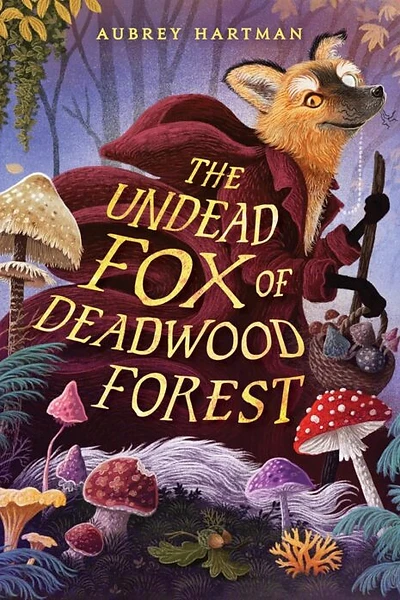
| Art & Graphics | Read: Imagine how cover art or illustrations for The Undead Fox of Deadwood Forest might emphasize moonlit trees, collected oddities, and the fox’s strange appearance. Visual elements can shape how quickly readers enter the mood of the story. Classroom Activity: Sketch or plan a book page illustration that highlights one important object and one emotional moment from a forest scene, then write 2 captions. |
| Interactives & Gamification | Read: Think about how readers could engage more deeply by tracking the undead fox’s collected oddities, mapping Deadwood Forest, or predicting which creature might help him belong. Interactive thinking makes students notice pacing patterns in the adventure. Classroom Activity: Create a simple ‘collector’s map’ with 4 stops in the forest; at each stop, list the object found, the danger faced, and what the character learns about belonging. |
Pace-Write It!
20-Minute Classroom Flow\nRead (5 min): Read aloud a short excerpt or summary section from The Undead Fox of Deadwood Forest that shows the fox wandering through Deadwood Forest, discovering an odd object, and reacting to a strange creature. Ask students to listen for places where the story speeds up and where it slows down.\n\nNotice (5 min): Discuss: Where does Aubrey Hartman make the adventure feel quick or tense? Where does the story pause so we can feel the fox’s loneliness or curiosity? Chart student ideas under two headings: ‘Fast pace’ and ‘Slow pace.’\n\nWrite (7 min): Students write their own paced forest scene using this frame: ‘My character hurried through ____ because ____. Then they stopped when they found ____. The object looked like ____, sounded like ____, or felt like ____. Suddenly, ____. My character wondered if this place could ever be ____.’ Remind students to include one fast moment, one quiet pause, and one detail that shows the character wants to belong.\n\nShare (3 min): Partners read their scenes aloud and identify one sentence that speeds the story up and one sentence that slows it down. Invite 1-2 volunteers to share with the class.\n\nExit ticket: Write one sentence answering: How can slowing down a scene help readers understand a character’s feelings about belonging?