
 K-3
K-3P FLEMING
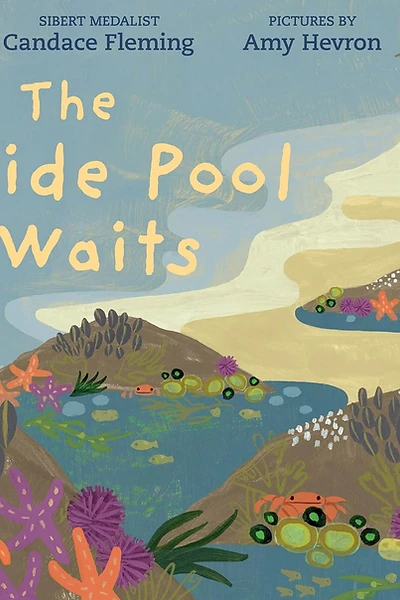
The Tide Pool Waits
by Candace Fleming
Pacing MaterialA lyrical picture book that explores the hidden world of a tide pool, where sea stars, crabs, anemones, and urchins wait for the ocean's return between tides.
Big Idea
Tide pools are miniature ecosystems where every creature has a role, and the rhythm of the tides shapes all life within them.
Discussion Questions
- 1.What happens to the creatures in a tide pool when the tide goes out?
- 2.How do tide pool animals survive when the water returns?
- 3.What makes a tide pool an ecosystem?
- 4.How do the tides connect the ocean to the land?
Classroom Activity
Tide Pool Diorama
Students create shoebox dioramas of a tide pool ecosystem, labeling each creature and its role.
Lesson Plan
Learning Goals
- Understand the concept of tides and how they shape coastal ecosystems
- Identify common tide pool creatures and their adaptations
- Explore the interdependence of organisms in an ecosystem
- Develop descriptive language through observation
Activity Steps
- 1.Read the book and discuss the creatures that appear
- 2.Introduce the concept of tides and how they affect tide pools
- 3.Have students create dioramas using shoeboxes, clay, and craft materials
- 4.Students label each creature and write a sentence about its role
- 5.Share dioramas and discuss how the creatures depend on each other
Standards Connections
- ELA: RL.K.1 — Ask and answer questions about key details
- ELA: RL.K.2 — Retell stories, including key details
- ELA: RL.K.3 — Describe characters, setting, and events
- ELA: RL.3.6 — Acknowledge differences in characters' points of view
- ELA: SL.K.1 — Participate in collaborative conversations about the text
- ELA: W.K.3 — Write narratives recounting events with descriptive details
- SEL: Responsible Decision-Making
- Art: VA:Re7 — Perceive and analyze artistic work
Pace-Write-Read Study with Pace-Write It!
Focus question: How does an author make a quiet moment in nature feel full of life, wonder, and anticipation? In The Tide Pool Waits by Candace Fleming, readers look closely at the small sea creatures left behind when the ocean pulls back. The book uses gentle, lyrical pacing, careful observation, and repeated waiting to slow readers down and build excitement for the sea’s return.
| Element | How to notice or teach it in the novel |
|---|---|
| Pace | Read: Notice how the story moves slowly and carefully, matching the stillness of the tide pool as sea stars, crabs, anemones, and urchins wait. The calm pacing helps readers observe each creature and feel the long pause before the ocean returns. Classroom Activity: Write 3-4 sentences about a place in nature that feels slow and quiet, using short lines or sentence breaks to make the reader pause. |
| Plot | Read: Notice that the plot is simple but meaningful: the tide goes out, the tide pool is revealed, the creatures wait, and the water returns. This small natural cycle becomes the story’s action. Classroom Activity: Write a beginning-middle-end plan for a tiny nature story about something waiting for change, such as rain, sunrise, or wind. |
| Prosody | Read: Listen to the musical sound of the language as Fleming uses soft, flowing words to echo the movement of the sea. The rhythm of the sentences helps the book feel like waves coming in and out. Classroom Activity: Read one page aloud, then write 2 sentences that sound smooth and wave-like when spoken. |
| Word pause | Read: Notice where the language invites you to stop and notice a creature, a movement, or a detail in the tide pool. These pauses help readers study the hidden world closely. Classroom Activity: Write a sentence about an animal and add a dash or line break to create a meaningful pause. |
| Concept | Read: Notice that the big concept is that nature keeps changing even when it looks still. The tide pool may seem quiet, but it is full of life, waiting, and survival. Classroom Activity: Write one sentence naming a hidden change in nature, then explain it in two more sentences. |
| Voice & World View | Read: Notice the respectful, curious voice that treats the tide pool as a living world worth watching carefully. The book’s worldview suggests that even the smallest creatures and habitats matter. Classroom Activity: Write 3 sentences in a wonder-filled voice about a tiny natural place, such as under a rock, in grass, or beside a puddle. |
| Setting & Place | Read: Notice how the rocky shore and tide pool are central to the story, not just a backdrop. The setting shapes what the sea stars, crabs, anemones, and urchins do while they wait for the ocean. Classroom Activity: Draw or list 5 details of a setting, then write a short paragraph showing how that place affects what lives there. |
| Point of View | Read: Notice that the book shows the tide pool from an outside observer’s point of view, helping readers watch the creatures with patience and care. This perspective lets the habitat itself become the focus. Classroom Activity: Rewrite one moment from the point of view of a crab or sea star waiting for the tide to return. |
| Original Characters | Read: Notice that the sea stars, crabs, anemones, and urchins are real animals, yet each feels memorable because of the way the text highlights how they move, hide, or wait. Their originality comes from close observation rather than fantasy. Classroom Activity: Choose one tide pool creature and create a character card with its actions, needs, and one strong describing sentence. |
| Dialogue | Read: Notice that the book relies more on description than dialogue, which keeps the mood quiet and observant. The silence fits a tide pool world where action is small and hidden. Classroom Activity: Write two short lines of imagined dialogue between a crab and an anemone, making the lines sound calm and nature-based. |
| Details | Read: Notice the specific details that help readers picture the creatures in the tide pool and understand how they survive between tides. These details make the setting feel real and alive. Classroom Activity: Make a list of 6 exact details you could use to describe a tiny habitat, then turn them into 3 strong sentences. |
| Descriptions | Read: Notice how the descriptions in The Tide Pool Waits help readers see textures, motion, and stillness in the rocky pool. Fleming’s descriptive language turns observation into poetry. Classroom Activity: Write 4 descriptive lines about a natural object, using sight, touch, and movement words. |
| Strong First Lines | Read: Notice how the opening quickly places readers into the tide pool world and sets a patient, watchful mood. A strong beginning prepares readers for a story built on noticing and waiting. Classroom Activity: Write 3 possible first lines for a nature story that begins with a place becoming uncovered or revealed. |
| Immediacy & Engagement | Read: Notice how the text keeps readers engaged by inviting them to look closely at what is happening right now in the tide pool, even when the action is quiet. The sense of waiting makes readers wonder when and how the ocean will return. Classroom Activity: Write 3 sentences that make a still moment feel important by focusing on what could happen next. |
| Story Scenes & Summaries & Unique Structures | Read: Notice how the book blends scene-like close-ups of individual creatures with the larger summary of the tide’s cycle. This structure helps readers zoom in and out between detail and whole habitat. Classroom Activity: Write one close-up sentence about a creature and one summary sentence about the whole setting. |
| Flashback & Flash Forward & Cliffhangers | Read: Notice that the story does not use flashback, but it does create a kind of forward pull by making readers anticipate the ocean’s return. The waiting itself acts like a gentle cliffhanger. Classroom Activity: Write a short paragraph about an animal waiting, ending with a line that hints at what is coming next. |
| Tension & Suspense & Surprise | Read: Notice the quiet tension in wondering how the tide pool creatures will manage until the water returns. The suspense comes from nature’s timing rather than loud danger. Classroom Activity: Write 3-5 sentences that build soft suspense around a change in nature, such as dark clouds, melting snow, or rising water. |
| Page Turns and Chapter Breaks | Read: Notice how page turns can reveal a new tide pool creature or extend the waiting, encouraging readers to pause and then discover more. In a picture book like this, the page turn helps control pacing. Classroom Activity: Plan a 4-page mini-book and decide what surprise or new detail will be revealed after each page turn. |
| Performance | Read: Notice that this book works well when read aloud slowly, with expressive pauses to match the stillness and wave rhythm. A calm performance helps listeners feel the hush of the tide pool. Classroom Activity: Practice reading one section aloud using a soft voice and planned pauses, then mark your script with slash marks for where to stop. |
| Personality | Read: Notice how each creature seems to have a kind of personality through its behavior—clinging, hiding, waiting, or reaching—without becoming cartoonish. Their actions give life to the tide pool community. Classroom Activity: Write 3 sentences that give a real animal personality through actions only, without saying it can talk. |
| Humor | Read: Notice that the tone is more wondrous than funny, but some creature movements or hiding behaviors may bring a gentle smile. The book shows that quiet stories do not need big jokes to hold attention. Classroom Activity: Add one light, playful detail to a nature paragraph without changing the realistic tone. |
| Pause | Read: Notice how the repeated sense of waiting creates long pauses in the story, giving readers time to think about what the tide pool creatures are doing. These pauses are part of the meaning. Classroom Activity: Write a short poem about waiting and use ellipses or line breaks to create pauses. |
| Poetry and Poetic Devices | Read: Notice the lyrical language, imagery, and sound patterns that make the book feel almost like a poem about the shore. Fleming uses poetic wording to elevate a simple natural event into something memorable. Classroom Activity: Write 4 lines about water using imagery and one example of alliteration. |
| Repetition | Read: Notice how the idea of waiting and the return of attention to the tide pool creatures creates repetition across the book. Repetition helps unify the text and slow the pace. Classroom Activity: Write a paragraph that repeats one key phrase, such as “Still it waits” or “Under the rock,” to create rhythm. |
| Rhythm | Read: Notice the steady rhythm of the language that mirrors ocean movement and patient observation. The rhythm helps readers settle into the book’s slow, natural pace. Classroom Activity: Write 3 sentences with a repeating rhythm pattern, then read them aloud to hear the beat. |
| Punctuation | Read: Notice how punctuation helps shape breathing, pausing, and flow in this lyrical nonfiction-style story. Commas and periods can slow readers down to match the calm tide pool mood. Classroom Activity: Take a plain sentence about the ocean and revise it twice with different punctuation to change the pace. |
| Questions | Read: Notice the questions readers may naturally ask: How long can the creatures wait? What are they doing while the tide is out? When will the ocean return? These questions keep the quiet story engaging. Classroom Activity: Write 4 wonder questions about a nature scene, then choose one to answer in 2-3 sentences. |
| Compare-Contrast | Read: Notice the contrast between the still tide pool and the moving ocean, and between creatures that seem quiet but are actively surviving. These contrasts help build meaning and pacing. Classroom Activity: Write a compare-contrast paragraph about two parts of one habitat, such as wet/dry, light/shadow, or quiet/loud. |
| Objects | Read: Notice how rocks, shells, water, and the pool itself are important objects that shape where the creatures live and hide. In this book, natural objects help tell the story. Classroom Activity: Choose one important object from a habitat and write 3 sentences explaining why it matters to the living things there. |
| Threes | Read: Notice whether details or descriptions can be grouped in threes when talking about what readers see, hear, or wonder in the tide pool. Groups of three can make language sound complete and satisfying. Classroom Activity: Write one sentence that names three tide pool details and one sentence that names three actions. |
| Whitespace & Negative Space | Read: Notice how open space on the page and around the illustrations can make the tide pool feel quiet, still, and expansive. The visual breathing room supports the slow pacing. Classroom Activity: Create a picture-book page layout with one short sentence and lots of blank space to make the moment feel calm. |
| Art & Graphics | Read: Notice how the illustrations help readers study the sea stars, crabs, anemones, and urchins and understand the tide pool ecosystem. The art works with the text to pace the reader’s looking. Classroom Activity: Sketch a habitat scene and add labels for 4 details you would mention in your writing. |
| Interactives & Gamification | Read: Notice how readers can turn this book into an observation game by searching for each tide pool creature and noticing what it is doing while it waits. This kind of interactive noticing deepens engagement with the theme of nature and environment. Classroom Activity: Make a ‘Tide Pool Noticing Hunt’ checklist with 5 things to find, then write one sentence about each item. |
Pace-Write It!
20-Minute Classroom Flow\nRead (5 min): Read The Tide Pool Waits aloud slowly. Pause to let students notice the sea stars, crabs, anemones, and urchins and to feel the waiting before the ocean returns.\nNotice (5 min): Ask: How does Candace Fleming slow the story down? Chart student ideas such as repeated waiting, careful creature details, quiet mood, wave-like language, and page turns that reveal more of the tide pool world.\nWrite (7 min): Students write their own short ‘waiting in nature’ piece about a small animal or natural place. Writing frame: ‘When ______ waits, it ______. Under/inside/beside ______, it ______. It stays ______, ______, and ______. Then ______ begins to change.’ Encourage students to use one strong detail, one pause, and one repeated word or phrase.\nShare (3 min): Partners read their pieces aloud in soft, calm voices. Listeners name one place where the writer slowed the pacing well.\nExit ticket: Write one sentence answering: How did Candace Fleming make a quiet tide pool feel interesting?