
 2-5
2-5GN THIRD
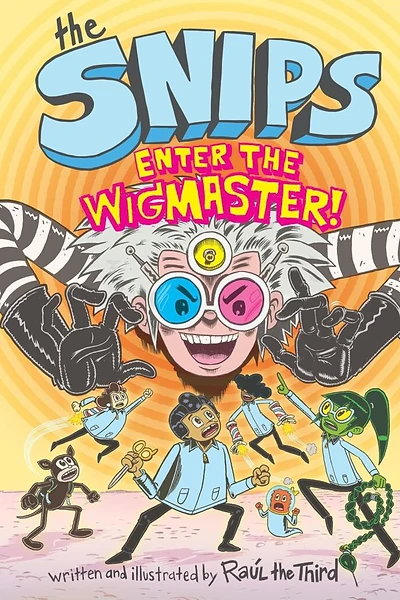
The Snips: Enter the Wigmaster!
by Raúl the Third
Pacing MaterialA team of young heroes with snipping powers must face the Wigmaster in a hair-raising, action-packed graphic novel adventure.
Big Idea
Working together makes us stronger — even heroes need a team.
Discussion Questions
- 1.How do the Snips work together as a team?
- 2.What makes each character's ability unique?
- 3.How does the author use illustrations to tell the story?
- 4.What would your superhero name and power be?
Classroom Activity
Superhero Team Design
Design your own superhero team, giving each member a unique power and a costume, then write a short team-up story.
Lesson Plan
Learning Goals
- Analyze graphic novel storytelling
- Explore themes of teamwork and identity
- Practice visual storytelling
Standards Connections
- ELA: RL.2.1 — Ask and answer questions about key details
- ELA: RL.2.2 — Retell stories, including key details
- ELA: RL.2.3 — Describe characters, setting, and events
- ELA: RL.5.6 — Acknowledge differences in characters' points of view
- ELA: SL.2.1 — Participate in collaborative conversations about the text
- ELA: W.2.3 — Write narratives recounting events with descriptive details
- SEL: Social Awareness
- SEL: Relationship Skills
- Art: VA:Re7 — Perceive and analyze artistic work
Pace-Write-Read Study with Pace-Write It!
Focus question: How does an author and illustrator speed up and slow down a story to make teamwork and heroism feel exciting? In The Snips: Enter the Wigmaster! by Raúl the Third, a team of young heroes uses their snipping powers in a fast-moving graphic novel packed with sports energy, action, and humor. The book uses pacing through quick panels, dramatic page turns, lively dialogue, and visual pauses so readers can feel both the rush of the adventure and the important moments when the team works together.
| Element | How to notice or teach it in the novel |
|---|---|
| Pace | Read: Notice how The Snips: Enter the Wigmaster! moves quickly during action scenes with the team of young heroes and then slows down for key heroic choices. Watch how Raúl the Third uses short bursts of action to match the sports-like energy of the story. Classroom Activity: Write 4-6 sentences about a hero team challenge, using 2 very short sentences for fast action and 2 longer sentences for a slower, important moment. |
| Plot | Read: Track how the plot builds from the introduction of the Snips team to their face-off with the Wigmaster, with each new problem raising the stakes. Notice how teamwork helps push the story from challenge to challenge. Classroom Activity: Make a 5-part plot ladder labeled beginning, problem, rising action, big showdown, and solution, then write one sentence for each part about a new sports-style hero adventure. |
| Prosody | Read: Listen to how the words would sound aloud in exciting moments, especially when the Snips rush into action or react to the Wigmaster. The rhythm of the dialogue and sound effects gives the story a performance feel. Classroom Activity: Choose one action moment and rewrite it as a short read-aloud script with expressive lines and 2 sound effects. |
| Word pause | Read: Notice where a single word, short phrase, or sound effect makes you pause before the next panel or page, especially before a big move against the Wigmaster. These tiny stops help build excitement. Classroom Activity: Write a 6-line mini scene and include 3 one-word lines such as “Wait!” or “SNIP!” to create pauses. |
| Concept | Read: Think about the big idea that heroism is not only about power, but also about teamwork, timing, and helping others. The Snips use their special snipping skills together, not just alone. Classroom Activity: Write 3-4 sentences explaining what kind of hero a Snip team member is, and include one example of teamwork solving a problem. |
| Voice & World View | Read: Notice the bold, playful, confident voice of the story and how it celebrates community, courage, and creativity. The world feels energetic and welcoming even when the Wigmaster brings danger. Classroom Activity: Write a paragraph in a lively comic-book voice that cheers on a team of neighborhood heroes during a big challenge. |
| Setting & Place | Read: Pay attention to how the places in the book feel active and full of movement, making the adventure feel like a game or match. The setting helps the conflict with the Wigmaster feel larger and more dramatic. Classroom Activity: Describe a hero-training place for the Snips in 5 sentences, including what characters see, hear, and do there. |
| Point of View | Read: Notice how readers follow the action from the heroes’ side so the Wigmaster feels like a looming threat and the team’s choices feel important. Think about how the story would change if the villain told it. Classroom Activity: Rewrite one brief showdown moment from the Wigmaster’s point of view in 4-5 sentences. |
| Original Characters | Read: Study what makes the Snips memorable as young heroes with snipping powers and what makes the Wigmaster a dramatic opponent. Their special skills, style, and teamwork make the cast stand out. Classroom Activity: Invent an original hero or villain who could join this world, and write a character card with name, power, weakness, and role on the team. |
| Dialogue | Read: Notice how dialogue in The Snips: Enter the Wigmaster! is quick, punchy, and full of personality, helping scenes move fast. Team talk often shows encouragement, planning, or surprise during action. Classroom Activity: Write 6 lines of dialogue between two Snips as they plan how to stop a tricky new opponent. |
| Details | Read: Look for small details in the heroes’ actions, gear, expressions, and the Wigmaster’s dramatic presence that make each scene clearer and faster to understand. In a graphic novel, details help tell the story quickly. Classroom Activity: Write a 5-sentence action paragraph that includes at least 4 precise details about movement, clothing, or tools. |
| Descriptions | Read: Notice that descriptions in this graphic novel are often short because the art carries much of the story, but the words that are included are vivid and energetic. They help spotlight key moments of teamwork and danger. Classroom Activity: Describe the Wigmaster in 3 strong sentences using vivid adjectives and action words. |
| Strong First Lines | Read: Think about how a strong opening in a graphic novel grabs readers right away and promises excitement, humor, and heroism. The beginning of the Snips’ adventure sets the pace fast. Classroom Activity: Write 3 different opening lines for a new Snips adventure, each designed to hook the reader immediately. |
| Immediacy & Engagement | Read: Notice how the book makes you feel close to the action through urgent dialogue, dramatic reactions, and quick visual changes. Readers feel as if they are right beside the Snips in the middle of the mission. Classroom Activity: Write a present-tense action scene beginning with “Right now, the team…” and keep the reader in the middle of the moment. |
| Story Scenes & Summaries & Unique Structures | Read: Notice how some parts of the book stretch out important scenes panel by panel, while other parts move quickly through time to keep the story racing ahead. This structure helps balance action and understanding. Classroom Activity: Write one scene in 5 detailed sentences, then add a 2-sentence summary that jumps the story ahead to the next challenge. |
| Flashback & Flash Forward & Cliffhangers | Read: Watch for moments that hint at what could happen next or stop right before an important reveal, making readers want to keep going. In a hero story like this, cliffhangers make the Wigmaster’s threat feel bigger. Classroom Activity: Write the ending of a chapter that stops at a cliffhanger just as the Snips discover the villain’s next move. |
| Tension & Suspense & Surprise | Read: Notice how suspense grows when the Snips are not sure exactly how to defeat the Wigmaster, and surprise comes from sudden moves or unexpected teamwork. The book keeps readers wondering who will gain the upper hand. Classroom Activity: Write a short scene where a hero team seems stuck, then add one surprising action that changes everything. |
| Page Turns and Chapter Breaks | Read: Pay attention to where a page turn or break likely lands on a dramatic image, reveal, or question. In graphic novels, turning the page can feel like a burst of suspense. Classroom Activity: Plan a 3-page comic scene and write one sentence for each page that ends with a reason to turn the page. |
| Performance | Read: Notice how characters almost seem to perform for the reader through poses, expressions, and dramatic timing, especially during confrontations with the Wigmaster. The book feels theatrical and sporty at the same time. Classroom Activity: Write a dramatic announcement for a hero entering a big match against a villain, using bold performance words. |
| Personality | Read: Look at how each team member’s personality shows in speech, reactions, and choices, and how the Wigmaster’s personality shapes the danger and style of the conflict. Personality helps pacing because readers quickly understand characters’ moves. Classroom Activity: Write 4 sentences introducing a new Snip, showing personality through action instead of only telling traits. |
| Humor | Read: Notice how humor lightens intense moments and keeps the story playful even during battles. Funny reactions, exaggerated moments, and lively comic style make teamwork feel joyful. Classroom Activity: Add 3 funny lines or moments to a hero-vs-villain scene without stopping the action. |
| Pause | Read: Notice when the story gives a small pause before a big action, reveal, or team decision. These slower beats make the next moment with the Snips or the Wigmaster feel stronger. Classroom Activity: Write a scene with one full sentence that creates a pause right before the main action begins. |
| Poetry and Poetic Devices | Read: Listen for alliteration, repeated sounds, and dramatic word choices that make the action feel musical, such as sharp words that fit snipping and speed. Graphic novels often use poetic language in small, powerful bursts. Classroom Activity: Write 4 lines about the Snips using alliteration, such as repeated s or w sounds, to match the energy of the story. |
| Repetition | Read: Notice when words, actions, or visual patterns repeat to build excitement and help readers remember important ideas like teamwork and courage. Repetition can make a hero moment feel bigger. Classroom Activity: Write a comic-style chant or team motto that repeats a key phrase 3 times during a challenge. |
| Rhythm | Read: Feel how the sequence of panels, action beats, and dialogue creates a rhythm like a game, race, or match. Fast-fast-slow patterns help the showdown with the Wigmaster stay exciting. Classroom Activity: Write 6 sentences that follow this rhythm pattern: quick action, quick action, pause, big move, reaction, victory line. |
| Punctuation | Read: Notice how exclamation points, question marks, ellipses, and dashes help control speed and emotion in the Snips’ adventure. Punctuation in comics can feel like part of the action. Classroom Activity: Rewrite a plain 4-sentence scene by adding expressive punctuation to make it sound urgent and heroic. |
| Questions | Read: Pay attention to questions characters ask when they face the Wigmaster or try to solve a problem together. Questions create suspense and keep readers thinking about what will happen next. Classroom Activity: Write 5 questions the Snips might ask as they uncover a villain’s plan, then answer one of them in a sentence. |
| Compare-Contrast | Read: Compare the Snips and the Wigmaster by looking at how their goals, actions, and styles are different, and how those differences create conflict. You can also compare quiet planning moments with fast action scenes. Classroom Activity: Write a compare-contrast paragraph explaining one way the Snips work as a team and one way the Wigmaster works alone or differently. |
| Objects | Read: Notice how important objects, tools, or visual symbols can speed up storytelling in a graphic novel by showing power, danger, or a plan right away. In this story, hero gear and villain-related objects help shape the action. Classroom Activity: Invent one important object for the Snips or the Wigmaster and write 3 sentences explaining how it changes the battle. |
| Threes | Read: Look for places where ideas or actions come in threes, which often makes a scene feel satisfying and easy to follow. Hero stories often use three tries, three clues, or three team moves. Classroom Activity: Write a sequence in which the Snips try 3 different teamwork moves before they succeed. |
| Whitespace & Negative Space | Read: Notice how empty space around panels, words, or characters can slow the reader down and spotlight an important reaction or reveal. In a graphic novel, silence on the page can be powerful. Classroom Activity: Plan a comic panel moment in writing by describing one image that would need lots of empty space around it and explain why. |
| Art & Graphics | Read: Study how Raúl the Third uses art, panel size, motion, and expressions to control pacing as much as the words do. The graphics help show teamwork, speed, and the dramatic threat of the Wigmaster. Classroom Activity: Sketch or describe a 3-panel sequence showing a fast rescue by the Snips, and write one caption for each panel. |
| Interactives & Gamification | Read: Think about how the sports energy of the book makes the adventure feel game-like, with challenges, opponents, strategy, and team wins. This playful structure keeps readers engaged. Classroom Activity: Create a “Snips mission card” with a goal, 3 obstacles, 1 teamwork power-up, and a final victory sentence. |
Pace-Write It!
20-Minute Classroom Flow\nRead (5 min): Read aloud a high-action scene from The Snips: Enter the Wigmaster! by Raúl the Third. Ask students to listen for where the story speeds up, where it slows down, and how the team works together against the Wigmaster.\nNotice (5 min): Students turn and talk: What made this scene feel fast? What made it pause? Chart student noticings such as short dialogue, sound effects, page-turn suspense, humor, and teamwork.\nWrite (7 min): Students write their own mini comic-style action scene about a team hero challenge. Writing frame: “First, the team sees ____. Next, __ shouts, ‘____!’ Then everything speeds up as ____. For one second, everyone pauses when ____. Finally, the team works together to ____.” Encourage students to include one sound effect, one question, and one short sentence for suspense.\nShare (3 min): Invite partners to read their scenes aloud with expression. Listeners name one pacing move they heard, such as a pause, repetition, or a cliffhanger feeling.\nExit ticket: Write one sentence answering: How did you use pacing to make your hero scene more exciting?
Pace-Write-Read Connection
Teach this book using the Pace-Write-Read method — Tool 20: Play.
Open the Mastery Manual