 K-3
K-3P DYCKMAN
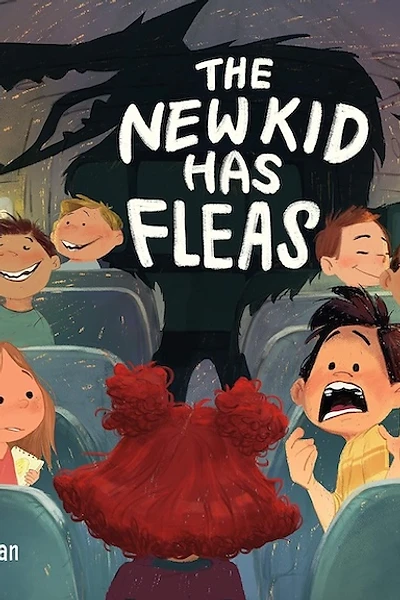
The New Kid Has Fleas
by Ame Dyckman
Pacing MaterialA new student arrives at school and everyone is sure he has fleas — but is it fleas, or something even more surprising?
Big Idea
Don't judge a new friend by first impressions — curiosity and kindness reveal who people really are.
Discussion Questions
- 1.Why do the students assume the new kid has fleas?
- 2.How do rumors spread in a classroom?
- 3.What would you do to welcome a new student?
- 4.What does the twist teach us about assumptions?
Classroom Activity
Welcome Box
Design a welcome box for a new student. Include three items that would help them feel at home and explain why.
Lesson Plan
Learning Goals
- Identify how assumptions and rumors affect others
- Describe three ways to welcome a new classmate
- Create a welcome plan with specific kind actions
Activity Steps
- 1.Read the story, pausing before the reveal to collect predictions.
- 2.Discuss: 'Why did everyone assume fleas? What else could it be?'
- 3.Model a welcome box with three items and reasons.
- 4.Students design their own welcome box.
- 5.Share boxes and create a class welcome plan.
Standards Connections
- ELA: RL.K.1 — Ask and answer questions about key details
- ELA: RL.K.2 — Retell stories, including key details
- ELA: RL.K.3 — Describe characters, setting, and events
- ELA: RL.3.6 — Acknowledge differences in characters' points of view
- ELA: SL.K.1 — Participate in collaborative conversations about the text
- ELA: W.K.3 — Write narratives recounting events with descriptive details
- SEL: Relationship Skills
- SEL: Social Awareness
- Art: VA:Re7 — Perceive and analyze artistic work
Pace-Write-Read Study with Pace-Write It!
Focus question: How does an author slow down and speed up a story to build surprise and help readers rethink a first impression? In The New Kid Has Fleas by Ame Dyckman, a class quickly decides that the new student must have fleas, and the story builds energy as the rumor grows. Dyckman uses quick dialogue, page-turn suspense, repetition, and a surprise reveal to pace the story in a way that is funny while also teaching readers about friendship and not jumping to conclusions.
| Element | How to notice or teach it in the novel |
|---|---|
| Pace | Read: Notice how the story moves quickly when the class reacts to the new kid and slows at key moments before the truth is revealed. Ame Dyckman paces the misunderstanding so readers feel both the rush of gossip and the pause of surprise. Classroom Activity: Write 3 short sentences that speed up a rumor about a new classmate, then 1 longer sentence that slows down right before the truth is shared. |
| Plot | Read: Follow the plot from the new student’s arrival, to the class assuming he has fleas, to the surprising explanation that changes everyone’s thinking. The plot is built around a mistaken first impression and a friendship lesson. Classroom Activity: Make a beginning-middle-end chart and write one sentence for each part of a story about a wrong guess that gets corrected. |
| Prosody | Read: Listen for places where the text sounds excited, worried, or dramatic when read aloud, especially when the class talks about fleas. The rhythm of the lines helps readers hear the rising feelings in the room. Classroom Activity: Choose one class reaction scene and rewrite it for read-aloud with marks showing where your voice should get louder, softer, faster, or slower. |
| Word pause | Read: Notice words and line breaks that make readers stop for a beat before the next funny or surprising idea. In this book, those little pauses help stretch the suspense around the new kid and the flea idea. Classroom Activity: Write 4 lines about a mystery at school and place one important word on its own line to create a pause. |
| Concept | Read: The big concept is that first impressions can be wrong, and friendship grows when we learn the truth about someone. The flea misunderstanding gives young readers a concrete, funny way to think about assumptions. Classroom Activity: Write a lesson statement that starts, “At first we thought ___, but really ___,” and then turn it into a 3-sentence mini-story. |
| Voice & World View | Read: Notice the lively, playful voice that treats the misunderstanding with humor while still showing how kids sometimes make fast judgments. The world view suggests that classmates are still learning how to welcome someone new kindly. Classroom Activity: Write a classroom narrator voice that sounds excited and a little worried about a new student, then add one sentence showing a kinder new understanding. |
| Setting & Place | Read: Pay attention to the school setting and how the classroom becomes the stage for the rumor and the reveal. The familiar place helps readers imagine how quickly ideas can spread among kids. Classroom Activity: Write 5 sensory details about a classroom on the day a new student arrives, and include one detail that helps create tension. |
| Point of View | Read: Notice how readers are positioned to watch the class react to the new kid and form ideas before fully knowing the truth. This point of view helps us study the group’s first impression from the outside. Classroom Activity: Rewrite one moment from the new kid’s point of view, showing what he might think as everyone stares and whispers. |
| Original Characters | Read: Think about what makes the new kid memorable and how the classmates act as a reacting group with strong feelings about fleas. The characters are exaggerated in a picture-book way that keeps the misunderstanding funny and clear. Classroom Activity: Invent an original new student with one surprising trait and write 3 clues classmates notice before they understand it correctly. |
| Dialogue | Read: Notice how dialogue helps spread the flea idea and makes the story feel immediate, like kids are reacting in real time. The spoken lines move the story faster than long explanations would. Classroom Activity: Write a 6-line dialogue between two classmates who think they know what is happening, then add a final line that changes the meaning. |
| Details | Read: Look for small details that support the misunderstanding and make readers keep wondering about the new kid. Specific details give the rumor power before the surprise clears things up. Classroom Activity: List 4 tiny details a class could notice about a new student, then write which detail could be misunderstood most easily and why. |
| Descriptions | Read: Notice how descriptions are chosen to make readers picture the new kid and the class reactions without giving everything away too soon. Descriptions help control pacing by revealing information bit by bit. Classroom Activity: Describe a new classmate in 3 sentences without naming the surprising truth until the last sentence. |
| Strong First Lines | Read: Pay attention to how the opening quickly introduces a problem or worry connected to the new kid, pulling readers in right away. A strong beginning sets the fast pace and curious tone of the book. Classroom Activity: Write 3 possible first lines for a story about a new student, making sure each line introduces a worry, rumor, or mystery. |
| Immediacy & Engagement | Read: Notice how the story feels urgent because the class reacts right away and readers want to know if the flea claim is true. The fast emotional response keeps young readers engaged from page to page. Classroom Activity: Write a scene starter that begins with a sudden classroom reaction, such as “Everybody scooted back when…” and continue for 4 sentences. |
| Story Scenes & Summaries & Unique Structures | Read: Notice how some moments are played as active scenes with reactions and dialogue, while other parts move quickly to the next important beat. This balance helps the story stay snappy while saving space for the reveal. Classroom Activity: Write one part of your story as a detailed scene with dialogue and one part as a 2-sentence summary that jumps ahead. |
| Flashback & Flash Forward & Cliffhangers | Read: Even if the story stays mostly in the present, notice how the author creates a cliffhanger feeling before readers learn the truth about the new kid. The suspense works almost like a held breath before a reveal. Classroom Activity: End a short paragraph with a cliffhanger line about a new classmate, such as “But when the backpack opened, we all gasped because…” |
| Tension & Suspense & Surprise | Read: The tension comes from the class believing something alarming about the new kid, and the surprise comes when readers discover the real explanation. Ame Dyckman keeps the mood funny instead of scary, which makes the reveal enjoyable. Classroom Activity: Write 5 sentences that build suspense around a mistaken idea, and make the fifth sentence reveal an unexpected but friendly truth. |
| Page Turns and Chapter Breaks | Read: Notice how page turns matter in a picture book like this one, especially when readers are waiting to find out whether the new kid really has fleas. The turn creates a natural pause and then a burst of new information. Classroom Activity: Fold a paper into 4 pages and plan where a page turn should happen right before your biggest surprise. |
| Performance | Read: This book invites performance because the class reactions can be acted with gasps, whispers, and dramatic faces. Reading it aloud helps students feel how pacing works through voice and timing. Classroom Activity: Choose one moment and script simple performance notes in parentheses, such as (whisper), (gasp), or (long pause), next to each line. |
| Personality | Read: Notice how personality shows in the classmates’ quick assumptions, nervous energy, and changing feelings once they understand the new kid better. Personality shapes pacing because strong reactions make scenes move. Classroom Activity: Write 3 character traits for a classmate who jumps to conclusions and 3 for a classmate who stays curious, then write one line each that shows those traits. |
| Humor | Read: The flea misunderstanding is funny because it is dramatic, exaggerated, and then turned on its head by the reveal. Humor makes an important lesson about first impressions feel light and memorable. Classroom Activity: Write a funny misunderstanding about a school object or pet, and end with a harmless truth that makes readers smile. |
| Pause | Read: Notice the moments when readers need to stop and think, especially just before or after the truth about the new kid is revealed. These pauses help the theme sink in: we should not decide too fast. Classroom Activity: Add the words “We stared.” or “Nobody spoke.” into your own short scene to create a meaningful pause. |
| Poetry and Poetic Devices | Read: Listen for playful sound, repeated phrasing, and lively language that make the story feel musical even though it is prose. These poetic touches help the read-aloud pacing stay bouncy and fun. Classroom Activity: Write 2 alliterative phrases about the rumor, such as words with the same starting sound, and use them in a 4-line mini-story. |
| Repetition | Read: Notice if the idea of fleas, the classmates’ worry, or similar reaction patterns repeat to build momentum. Repetition helps readers anticipate what might come next while the author saves the real truth for later. Classroom Activity: Write a repeating line for your own story, such as “Everyone thought ___,” and use it 3 times before the reveal. |
| Rhythm | Read: Hear how short bursts of language can make the classroom reactions feel fast and energetic. Rhythm supports the emotional ups and downs as the misunderstanding grows. Classroom Activity: Write one paragraph using mostly short sentences to create a fast rhythm, then one sentence with a slower rhythm before the ending. |
| Punctuation | Read: Notice how punctuation like question marks, exclamation points, commas, and ellipses can shape how a line sounds and how long a reader pauses. In a humorous suspense story like this one, punctuation helps control gasps and guesses. Classroom Activity: Take a plain sentence about a new kid and rewrite it 3 ways using different punctuation to show excitement, worry, and suspense. |
| Questions | Read: Readers naturally ask questions: Does the new kid really have fleas? Why does everyone think that? What is actually going on? These questions keep the pages turning and connect to the theme of looking again. Classroom Activity: Write 4 questions a class might ask about a new student, then circle the one that should be answered last for the best suspense. |
| Compare-Contrast | Read: Compare what the classmates first believe with what they later learn, and contrast fear with friendship. This change is central to both the pacing and the message of the book. Classroom Activity: Make a T-chart labeled “We thought” and “We learned,” then use it to write a 5-sentence story about a mistaken first impression. |
| Objects | Read: Pay attention to objects connected to school, the new student, and any clues that feed the flea misunderstanding. In picture books, objects often carry story hints before the words explain them. Classroom Activity: Choose one object a new student brings to class and write 3 clue sentences about it that could be misunderstood at first. |
| Threes | Read: Notice whether reactions, clues, or attempts to explain come in groups of three, a pattern that often feels satisfying and funny in picture books. Sets of three can build expectation before a surprise. Classroom Activity: Write 3 clues about a new classmate; make the first two point readers the wrong way and the third reveal the truth. |
| Whitespace & Negative Space | Read: In a picture book, blank space can slow readers down and make one line or one reaction stand out, especially near a reveal. The open space gives suspense room to breathe. Classroom Activity: On a page, write one big suspense line with lots of blank space around it, then explain how the empty space changes the feeling. |
| Art & Graphics | Read: The illustrations help readers judge the class reactions, notice clues about the new kid, and understand the humor of the misunderstanding. Pictures are part of the pacing because they can reveal, hide, or delay information. Classroom Activity: Sketch a 3-panel sequence showing classmates reacting to a new student, and write one caption under each panel to build suspense. |
| Interactives & Gamification | Read: This story invites prediction games because readers can hunt for clues and guess whether the class is right about the new kid having fleas. That playful guessing keeps students active and alert. Classroom Activity: Create a “Guess First, Learn Later” card with 2 clues that suggest one idea and a final clue that reveals the true explanation; then trade cards with a partner. |
Pace-Write It!
20-Minute Classroom Flow\nRead (5 min): Read aloud The New Kid Has Fleas by Ame Dyckman, pausing before the reveal so students can predict what is really going on. Reread one or two pages where the class reacts strongly to the new kid.\nNotice (5 min): Ask: How did the story speed up when the class started worrying? Where did the author slow us down before the surprise? Chart student noticings such as repetition, dialogue, punctuation, page-turn suspense, and the difference between what the class thought and what was true.\nWrite (7 min): Students write their own short “wrong first impression” scene about a new student, object, or animal at school. Writing frame: “When ___ came to our class, everyone thought ___. We noticed ____, ____, and ____. ‘___!’ someone said. But when we looked again, we discovered ____. Then we felt ___ because ___.” Encourage students to use at least one repeated line, one question, and one pause sentence such as “We stared.”\nShare (3 min): Partners read their scenes aloud with expression, adding a dramatic pause before the reveal. Listeners say where they heard the pacing speed up and where it slowed down.\nExit ticket: Write one sentence answering: How did Ame Dyckman use pacing in The New Kid Has Fleas to make the surprise stronger?