 K-3
K-3P CARPENTER
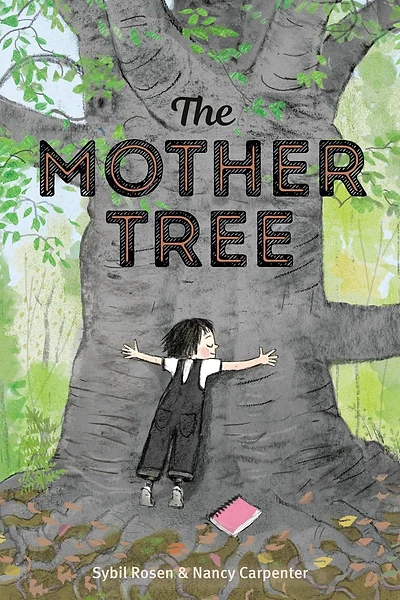
The Mother Tree
by Sybil Rosen & Nancy Carpenter
Pacing MaterialA child forms a deep bond with a grand old tree — a story about nature, memory, and the quiet wisdom of the trees that shelter us.
Big Idea
Nature can be family — trees, like people, hold memories, provide shelter, and connect us to the past and the future.
Discussion Questions
- 1.Why does the child call the tree 'Mother Tree'?
- 2.How can a tree feel like family?
- 3.What trees are important to you?
- 4.How do trees connect us to the past?
Classroom Activity
Tree Story
Students create a 'tree story' — writing from the perspective of a tree in their yard or neighborhood.
Lesson Plan
Learning Goals
- Write from a non-human perspective.
- Use personification to describe nature.
- Express the emotional connection between people and trees.
- Illustrate a tree with personal significance.
Activity Steps
- 1.Read the book, noting the bond between the child and the tree.
- 2.Discuss how trees can feel like part of a family.
- 3.Students write a short story from a tree's perspective.
- 4.Illustrate the tree and share stories.
Standards Connections
- ELA: RL.K.1 — Ask and answer questions about key details
- ELA: RL.K.2 — Retell stories, including key details
- ELA: RL.K.3 — Describe characters, setting, and events
- ELA: RL.3.6 — Acknowledge differences in characters' points of view
- ELA: SL.K.1 — Participate in collaborative conversations about the text
- ELA: W.K.3 — Write narratives recounting events with descriptive details
- SEL: Responsible Decision-Making
- Art: VA:Re7 — Perceive and analyze artistic work
Pace-Write-Read Study with Pace-Write It!
Focus question: How does an author slow down a story so readers can feel the quiet relationship between a child and a tree? In The Mother Tree by Sybil Rosen and Nancy Carpenter, a child’s bond with an old tree unfolds through gentle moments, memories, and careful observation of nature. The pacing is unhurried and reflective, helping readers pause, notice small changes, and feel the tree’s steady presence across time.
| Element | How to notice or teach it in the novel |
|---|---|
| Pace | Read: Notice how The Mother Tree moves slowly, giving time for the child to observe the grand old tree, sit beneath it, and feel its comfort. The calm pace matches the themes of nature, family, and memory. Classroom Activity: Write 3-4 sentences about a place you love, slowing the action down by telling one small moment at a time. |
| Plot | Read: Notice that the plot is simple and emotional: a child forms a deep bond with the old tree, and the relationship grows through repeated visits and memories. The story does not rush to a big event; instead, the connection itself is the heart of the plot. Classroom Activity: Make a beginning-middle-end chart for a story about a child visiting a special natural place. |
| Prosody | Read: Listen to the flow of the language in The Mother Tree and how it sounds gentle and soothing when read aloud, almost like wind through leaves. The rhythm of the sentences supports the peaceful mood. Classroom Activity: Write 2 sentences about a tree or garden that sound smooth and soft when read aloud. |
| Word pause | Read: Notice where the language makes you stop and think, especially around words connected to memory, shelter, and the tree’s quiet wisdom. These pauses help readers feel the importance of each moment between the child and the tree. Classroom Activity: Write a sentence about nature and add a pause with a dash or ellipsis to make the reader stop and notice. |
| Concept | Read: Think about the big idea that trees can feel like family, holding memories and offering comfort across time. In The Mother Tree, the old tree is more than part of the setting; it becomes a symbol of love, steadiness, and belonging. Classroom Activity: Write one sentence finishing this idea: “A tree can be like family because…” |
| Voice & World View | Read: Notice how the story’s voice feels warm, reverent, and child-centered, showing the world as full of meaning in quiet natural places. The book invites readers to see the old tree as wise and worthy of care. Classroom Activity: Write 3 sentences in a gentle voice about something in nature that feels important to you. |
| Setting & Place | Read: Notice how the setting around the old tree matters deeply; the tree’s space feels like a safe, living place filled with memory. The natural setting shapes the mood and makes the bond between the child and tree believable. Classroom Activity: Draw or describe a “special place map” of a tree, yard, park, or garden and label 3 details. |
| Point of View | Read: Notice how the story stays close to the child’s experience, helping readers feel wonder, comfort, and closeness with the mother tree. This point of view makes the tree seem personal and beloved. Classroom Activity: Write 2-3 sentences from a child’s point of view about visiting a favorite outdoor place. |
| Original Characters | Read: Notice that one of the most memorable “characters” is the tree itself, which feels alive, sheltering, and full of quiet wisdom. The child and the tree form an unusual and tender relationship that drives the story. Classroom Activity: Invent a nature character, such as a tree, rock, or river, and list 3 human-like qualities it might have. |
| Dialogue | Read: Notice whether the book uses little or no dialogue and instead lets feelings grow through description and reflection. This choice slows the pacing and keeps the focus on the child’s inner bond with the tree. Classroom Activity: Write a short 2-line conversation between a child and an old tree. |
| Details | Read: Notice the small details that help readers picture the old tree and understand why it matters so much to the child. Specific details make the relationship feel real and memorable. Classroom Activity: Write a list of 5 details you might notice when sitting under a tree. |
| Descriptions | Read: Notice how descriptions likely highlight the tree’s size, age, shelter, and beauty, helping readers feel its strength and calm presence. These descriptions stretch time and create reflective pacing. Classroom Activity: Write 3 describing sentences about an old tree using words for how it looks, sounds, or feels. |
| Strong First Lines | Read: Notice how the beginning invites readers into a close relationship with the mother tree right away, setting a quiet and thoughtful mood. A strong opening helps readers care immediately. Classroom Activity: Write an opening line for a story about meeting a special tree for the first time. |
| Immediacy & Engagement | Read: Notice how the story keeps readers engaged not through fast action but through emotional closeness, sensory noticing, and the child’s connection to the tree. The quiet focus draws readers in. Classroom Activity: Write 2 sentences that help a reader feel they are right beside you in a natural place. |
| Story Scenes & Summaries & Unique Structures | Read: Notice how the book may move between close-up scenes with the child and tree and broader summary moments about memory and time passing. This structure helps the relationship feel both immediate and lasting. Classroom Activity: Write one scene sentence and one summary sentence about visits to a favorite outdoor spot. |
| Flashback & Flash Forward & Cliffhangers | Read: Notice whether memories of earlier times shape the child’s feelings about the tree, even if the story stays gentle and does not rely on dramatic cliffhangers. Time in this book may feel layered, like rings inside a tree. Classroom Activity: Write 2 sentences that begin with “I remember when…” about a place in nature. |
| Tension & Suspense & Surprise | Read: Notice that the tension in The Mother Tree is quiet rather than scary; readers may wonder how the child’s relationship with the old tree will deepen or what the tree means across time. The emotional suspense comes from waiting, noticing, and feeling. Classroom Activity: Write 2-3 sentences that create gentle suspense about discovering something meaningful outdoors. |
| Page Turns and Chapter Breaks | Read: Notice how page turns in a picture book can hold a pause, reveal a new image of the tree, or show a shift in the child’s feelings. In this kind of story, turning the page helps control the calm pacing. Classroom Activity: Plan a 4-page picture-book idea and write what surprise, image, or feeling appears after each page turn. |
| Performance | Read: Read parts of The Mother Tree aloud and notice how your voice naturally becomes soft, slow, and full of wonder. The performance of the story matters because pacing is carried by how the words are spoken. Classroom Activity: Practice reading one sentence slowly and one quickly, then decide which better fits a peaceful tree story and explain why. |
| Personality | Read: Notice the personality of the mother tree—steady, sheltering, patient, and wise—and the child’s personality—curious, trusting, and observant. Their personalities shape the book’s warm emotional pacing. Classroom Activity: Write 3 words to describe the child and 3 words to describe the tree, then use one word from each list in a sentence. |
| Humor | Read: Notice whether humor is light or nearly absent because the book leans into tenderness and reflection more than jokes. If there is a playful moment, it likely comes through the child’s natural delight in the tree and the outdoors. Classroom Activity: Write one gentle, playful sentence about something funny a leaf, branch, or squirrel might seem to do. |
| Pause | Read: Notice the many places where the story invites readers to pause and feel, just as the child pauses beneath the old tree. These pauses are part of the meaning because they make room for memory and wonder. Classroom Activity: Write a 3-sentence piece about sitting quietly outside, and make the middle sentence the slowest and calmest one. |
| Poetry and Poetic Devices | Read: Notice the poetic feeling of the language and images in The Mother Tree, especially if the tree is described with metaphor, sensory language, or repeated sounds. Poetic craft helps the story feel timeless and gentle. Classroom Activity: Write one simile or metaphor about a tree, such as “The tree was like…” or “The tree was a…” |
| Repetition | Read: Notice if ideas, images, or feelings repeat—such as returning to the tree, its shelter, or the child’s sense of closeness. Repetition slows pacing and strengthens the theme of enduring love. Classroom Activity: Write 3 short lines that all begin with “Under the tree…” |
| Rhythm | Read: Notice the steady rhythm of the sentences, which may echo the tree’s calm presence and the natural cycles of seasons and growth. Rhythm helps carry the reader gently from one moment to the next. Classroom Activity: Write 2 lines with a repeating pattern, such as “I sat…I listened…” |
| Punctuation | Read: Notice how punctuation can create stillness in a book like this—periods to slow, commas to linger, and dashes to add reflective pauses. Even small marks help shape how the child’s story is felt. Classroom Activity: Write one sentence about a tree using commas to list details, and another using a dash for a thoughtful pause. |
| Questions | Read: Notice the questions the book may raise in readers’ minds: Why does the child feel so close to this tree? What memories live in this place? How can nature feel like family? Classroom Activity: Write 3 wonder questions a child might ask while sitting under the mother tree. |
| Compare-Contrast | Read: Notice how readers can compare the child to the tree—small to large, growing to ancient, moving to rooted—yet both are connected by memory and care. These contrasts deepen the meaning of the relationship. Classroom Activity: Make a T-chart comparing the child and the tree, then write one sentence about how they are also alike. |
| Objects | Read: Notice any meaningful objects connected to the child’s visits, such as leaves, bark, seeds, or items carried to the tree. Small objects can hold large feelings and memories. Classroom Activity: Choose one nature object and write 2 sentences explaining why it would matter in a story about a special tree. |
| Threes | Read: Notice whether the story groups ideas in threes, such as three memories, three tree details, or three feelings, because groups of three often sound complete and memorable. This can make the language feel balanced and calm. Classroom Activity: Write 3 phrases describing the mother tree: “old and tall,” “safe and still,” “strong and kind.” |
| Whitespace & Negative Space | Read: Notice how the open space on picture-book pages can slow readers down and make the tree feel even more grand, quiet, and important. Whitespace gives room for thought, just like silence under the branches. Classroom Activity: Create a mini page layout with one sentence and lots of empty space, then explain how the space changes the feeling. |
| Art & Graphics | Read: Notice how Nancy Carpenter’s illustrations help tell the story of the child and the mother tree by showing scale, mood, season, and emotion. The art likely carries pacing by inviting readers to linger over the tree’s presence. Classroom Activity: Sketch a tree from a worm’s-eye view and add one caption that shows how big and protective it feels. |
| Interactives & Gamification | Read: Notice how readers can interact with The Mother Tree by hunting for visual details in the illustrations, tracing how the child’s feelings change, or spotting signs of time in nature. Even a quiet story can invite active noticing. Classroom Activity: Make a “Tree Detective” checklist with 5 things to find in a picture-book illustration, such as roots, leaves, shadows, animals, or signs of age. |
Pace-Write It!
20-Minute Classroom Flow\nRead (5 min): Read The Mother Tree aloud slowly. Pause to show the illustrations and let students notice the child, the old tree, and the quiet mood.\nNotice (5 min): Ask: “Where does the story slow down?” “How do the words and pictures help us feel calm and close to the tree?” Chart student ideas such as small details, repeated feelings, peaceful setting, and page-turn pauses.\nWrite (7 min): Students write a short piece about a special natural place or object that feels comforting. Writing frame: “I go to ____. It is ____. I notice ____, ____, and ____. When I am there, I feel ____. It is special to me because ____.” Encourage students to add one slow, quiet detail sentence.\nShare (3 min): Partners read their writing aloud in soft, slow voices. Invite 2-3 students to share a line that uses strong description or a calm pace.\nExit ticket: Write one sentence answering: “How did the author make the story feel slow and peaceful?”