
 1-4
1-4P GIBEAULT
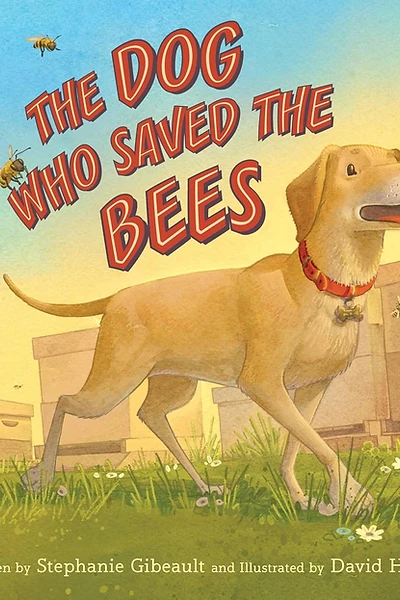
The Dog Who Saved the Bees
by Stephanie Gibeault
Pacing MaterialA dog and his owner team up to save a struggling bee colony, showing that heroes come in all shapes and sizes.
Big Idea
Even the smallest helper can make a big difference for our planet.
Discussion Questions
- 1.What problem did the bees face in this story?
- 2.How did the dog help save the bees?
- 3.Why are bees important to people and plants?
- 4.What would happen if there were no bees?
- 5.What can YOU do to help bees and other pollinators?
Classroom Activity
Bee Helper Posters
Students create a 'bee helper' poster showing one way people can help protect bees and pollinators.
Lesson Plan
Learning Goals
- Understand the ecological role of pollinators
- Learn about the threats facing bee populations
- Develop environmental stewardship
- Practice informative writing
Activity Steps
- 1.Discuss why bees are important and how the dog in the story helped.
- 2.Brainstorm ways people can help bees (plant flowers, avoid pesticides, leave water out).
- 3.Each student chooses one 'bee helper' action.
- 4.On poster paper, students draw their action and write: 'I can help bees by ___.'
- 5.Students share their posters with the class.
- 6.Display posters in the hallway to spread awareness.
Standards Connections
- ELA: RI.1-4.3 (Informational Text — Connections)
- ELA: RI.1-4.7 (Illustrations)
- Science: LS2.A (Interdependent Relationships)
- Science: LS2.D (Social Behavior and Group Survival)
Pace-Write-Read Study with Pace-Write It!
Focus question: How does an author slow down or speed up a true story to help readers feel the importance of a rescue? In The Dog Who Saved the Bees by Stephanie Gibeault, readers follow a hardworking dog and his owner as they help a struggling bee colony survive. The book uses pacing by moving quickly through big parts of the real-life problem, then slowing down for important moments of searching, discovering, and saving, so readers feel both urgency and hope.
| Element | How to notice or teach it in the novel |
|---|---|
| Pace | Read: Notice how Stephanie Gibeault moves the story quickly through the problem facing the bees, then slows down when the dog and owner begin the rescue work. This pacing helps readers feel that saving the colony is both urgent and careful. Classroom Activity: Write 3 sentences about an animal helper; make the first sentence fast, the second slow and detailed, and the third fast again. |
| Plot | Read: Notice the clear sequence: bees are in trouble, the dog and owner work to help, and the colony gets a chance to survive. The plot builds like a rescue story even though it is a biography. Classroom Activity: Make a beginning-middle-end chart for a true story about helping nature, then turn each part into one sentence. |
| Prosody | Read: Listen to how the sentences about bees, searching, and saving can be read with rising excitement and then calmer care. The rhythm of the language supports the feeling of action followed by gentle attention. Classroom Activity: Reread a page aloud and mark where your voice should speed up, slow down, get louder, or soften. |
| Word pause | Read: Notice where you naturally stop after important words about the bees, the dog, and the rescue. These small pauses help the meaning sink in. Classroom Activity: Choose one sentence from the story and rewrite it with line breaks or slash marks to show where a reader should pause. |
| Concept | Read: The big idea is that conservation can happen through teamwork, observation, and care, and that even a dog can become a hero in protecting pollinators. The biography teaches that nature needs helpers. Classroom Activity: Write 2-4 sentences explaining one way people or animals can help living things in nature. |
| Voice & World View | Read: Notice the respectful, hopeful voice that treats bees as important and shows the dog and owner as problem-solvers. The world view is that every creature matters and humans can choose to protect the environment. Classroom Activity: Write a short paragraph in a caring voice about why one small animal matters to the world. |
| Setting & Place | Read: Notice how the places connected to the bee colony shape the action; the setting is not just background, because where the bees live matters to their safety and survival. Place helps explain the rescue. Classroom Activity: Describe a place where an animal might need help, using 3 details readers can see, hear, or smell. |
| Point of View | Read: Notice that the story is told from an outside narrator who explains what the dog, owner, and bees are doing. This point of view lets readers understand the whole rescue clearly. Classroom Activity: Rewrite one rescue moment from the dog's point of view using 'I' and telling what the dog notices. |
| Original Characters | Read: Notice how unusual and memorable it is that the hero is a dog helping save bees. The owner, the dog, and the bee colony create a fresh set of real-life characters for a biography about conservation. Classroom Activity: Invent an unexpected animal hero for a true-style story and write 3 sentences introducing that character. |
| Dialogue | Read: Notice whether the book uses little or no direct speech and instead lets actions and facts carry the story. In a biography like this, dialogue may be brief, but readers can still imagine what the owner might say while working with the dog. Classroom Activity: Add two lines of dialogue to a rescue scene between the owner and the dog’s human partner, making the words fit the urgent moment. |
| Details | Read: Notice the specific details about the struggling bee colony, the dog’s work, and the steps taken to help. These details make the true story feel believable and important. Classroom Activity: Write 4 factual details you would include in a nature rescue story so readers trust it is real. |
| Descriptions | Read: Notice how descriptions of the bees, the dog, and the rescue moment help readers picture the action and understand why it matters. Description slows the pace at key moments. Classroom Activity: Describe the dog during the rescue using at least 3 sensory details. |
| Strong First Lines | Read: Notice how the opening quickly introduces a problem or a surprising idea, drawing readers into a story about bees and an unexpected hero. A strong first line helps set the pace right away. Classroom Activity: Write 3 different first lines for a biography about an animal helping nature; choose the one that creates the most curiosity. |
| Immediacy & Engagement | Read: Notice how the book makes readers feel close to the bee colony’s struggle and the dog’s actions. The rescue feels immediate because the stakes are clear and the moments of discovery are focused. Classroom Activity: Write 2 sentences that make a reader feel they are right there during a rescue of an animal or habitat. |
| Story Scenes & Summaries & Unique Structures | Read: Notice how some parts are told as quick summary to move through time, while other parts become close-up scenes when the dog and owner act. This balance keeps a biography informative and exciting. Classroom Activity: Write one summary sentence about a week of helping bees, then write one zoomed-in scene about a single important minute. |
| Flashback & Flash Forward & Cliffhangers | Read: Notice whether the story stays mostly in order, and think about how a writer could create interest by hinting at what the dog will discover next. Even without dramatic cliffhangers, a page can end with a question in the reader’s mind. Classroom Activity: End a short paragraph with a cliffhanger sentence about what the dog might find near the bee colony. |
| Tension & Suspense & Surprise | Read: Notice the tension that comes from a struggling bee colony and the surprise that a dog can help save it. Readers keep going because they want to know whether the bees will be safe. Classroom Activity: Write 3 sentences that build suspense in a nature rescue, saving the biggest surprise for the last sentence. |
| Page Turns and Chapter Breaks | Read: Notice how a picture book can place an important discovery or problem right before a page turn, making readers want to keep going. Even without chapters, the pages help control pacing. Classroom Activity: Plan a 4-page picture-book dummy and decide what question or action should come right before each page turn. |
| Performance | Read: Notice how this book invites expressive reading: serious for the bees’ trouble, excited during the search, and warm at the success of the rescue. Performance helps show pacing. Classroom Activity: Practice reading one page aloud with a partner, deciding where to speed up and where to pause dramatically. |
| Personality | Read: Notice how the dog’s actions reveal a strong personality—alert, helpful, and hardworking—even in a nonfiction story. The owner’s dedication also shows through the rescue efforts. Classroom Activity: Write a character sketch of the dog using 3 personality words and one piece of action evidence for each. |
| Humor | Read: Notice the gentle humor in the surprising idea of a dog becoming a hero for bees. The unexpected partnership brings lightness to a serious conservation topic. Classroom Activity: Write a playful sentence about an unusual animal hero helping another creature, while still showing respect for the real problem. |
| Pause | Read: Notice where the story invites readers to stop and think about why bees matter, not just what happens next. These reflective pauses deepen the book’s message about conservation. Classroom Activity: Add one reflective pause sentence to a rescue paragraph, such as a line that explains why the moment matters. |
| Poetry and Poetic Devices | Read: Notice any sound play, vivid imagery, or carefully chosen words that make the bees and rescue feel alive. Even in biography, poetic language can slow pacing and add beauty. Classroom Activity: Write 2 lines about bees using alliteration or imagery, such as repeated beginning sounds or a strong picture in words. |
| Repetition | Read: Notice any repeated idea, action, or sentence pattern connected to searching, helping, or protecting bees. Repetition can make the message memorable and create rhythm. Classroom Activity: Write a 3-sentence piece in which the same beginning words are repeated to emphasize helping nature. |
| Rhythm | Read: Notice how shorter sentences can quicken the rescue, while longer sentences can slow down to explain the bee colony and the careful work. Sentence rhythm shapes how the story feels. Classroom Activity: Write one short, one medium, and one long sentence about the dog and the bees, then read them aloud to hear the rhythm. |
| Punctuation | Read: Notice how punctuation such as commas, periods, and exclamation points can control how quickly or dramatically readers move through the rescue story. Marks on the page help pace meaning. Classroom Activity: Rewrite a plain sentence about the bee rescue in two ways—one calm with periods, one excited with an exclamation point and a dash. |
| Questions | Read: Notice the questions readers might ask: Why are the bees struggling? How can a dog help? Will the colony survive? Questions increase engagement and pacing. Classroom Activity: Write 3 reader questions you would want your audience to ask during a true story about saving an animal habitat. |
| Compare-Contrast | Read: Notice the contrast between a small bee colony in danger and a strong dog stepping in to help, or between trouble at the beginning and hope at the end. These contrasts sharpen the story’s meaning. Classroom Activity: Write 2 compare-contrast sentences about the beginning and ending of a conservation story. |
| Objects | Read: Notice the important objects connected to the bee colony and the rescue work. In this book, tools, hives, and natural objects help tell the true story. Classroom Activity: Choose one important object from a nature rescue and write 3 sentences showing how it helps the characters. |
| Threes | Read: Notice how events or details can be grouped in threes to make them easier to remember, such as three steps in helping bees or three traits that make the dog a hero. Groups of three often sound complete. Classroom Activity: Write a sentence or short paragraph that lists three ways the dog and owner help the bees. |
| Whitespace & Negative Space | Read: Notice how open space on picture-book pages can slow a reader down and make an important image or sentence stand out, especially in moments of danger or success for the bees. Space can create a pause. Classroom Activity: Draft a page with one short sentence about the rescue and leave space around it; explain why the space helps the sentence feel important. |
| Art & Graphics | Read: Notice how the illustrations likely show the dog, the owner, and the bee colony in ways that add action, feeling, and facts the words do not fully explain. In a picture book, the art helps pace the story by guiding the eye. Classroom Activity: Sketch one scene from the rescue and label 3 visual details that would help a reader understand the action. |
| Interactives & Gamification | Read: Notice how this book invites active thinking even without built-in games; readers can track clues, predict outcomes, and spot how the dog helps the bees. That interaction keeps engagement high. Classroom Activity: Create a simple 'Rescue Clue Hunt' with 3 boxes labeled Problem, Helper, and Solution, and fill them in using details from the story. |
Pace-Write It!
20-Minute Classroom Flow\nRead (5 min): Read aloud a key section of The Dog Who Saved the Bees by Stephanie Gibeault that shows the bees’ problem and the dog’s rescue work. Ask students to listen for where the story speeds up and where it slows down.\nNotice (5 min): On chart paper, make two columns: 'Fast Pace' and 'Slow Pace.' Have students name specific moments, words, or page turns that make the bee rescue feel urgent or careful. Discuss how the author helps readers feel worried for the bee colony but hopeful because of the dog and owner.\nWrite (7 min): Students write a short true-style rescue paragraph about an animal helping nature. Writing frame: 'First, _____ was in trouble. Next, _____ noticed _____. Slowly, _____ helped by _____. At last, _____ was safer because _____.' Challenge students to make one sentence fast and one sentence slow with extra details.\nShare (3 min): Partners read their paragraphs aloud and tell which sentence had the fastest pace and which had the slowest pace. Invite 1-2 students to share how they used pacing to show urgency and care.\nExit ticket: Write one sentence answering: 'Why did Stephanie Gibeault slow down the story during the rescue in The Dog Who Saved the Bees?'