 K-3
K-3P P GERSTEIN
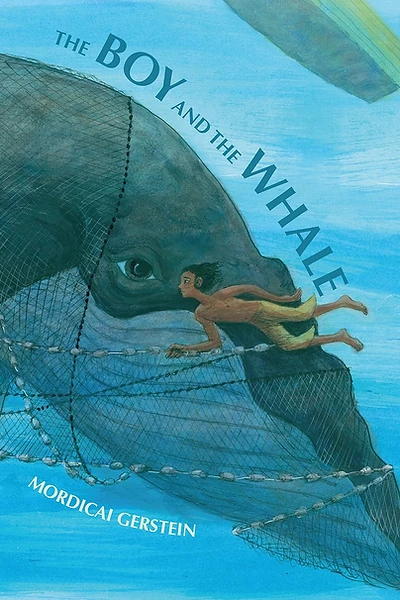
The Boy and the Whale
by Mordicai Gerstein
Pacing MaterialWhen a young boy discovers a whale trapped in a net, he must choose whether to intervene despite the social pressures of his village. The story is a poignant exploration of moral courage and compassion for nature.
Big Idea
Choosing to do the right thing often requires the courage to stand alone.
Discussion Questions
- 1.Was it hard for the boy to decide to help the whale?
- 2.Why might the villagers have disagreed with him?
- 3.What does 'compassion' look like in action?
- 4.How did the boy feel when he finally saved the whale?
- 5.What would you have done if you were in his shoes?
Classroom Activity
Courage Scenarios Role-Play
Students participate in role-playing exercises to practice standing up for their beliefs in social situations.
Lesson Plan
Learning Goals
- Define the difference between courage and conformity
- Practice assertive communication
- Empathize with the perspective of others
Activity Steps
- 1.Define moral courage as a group
- 2.Present various classroom scenarios involving choices
- 3.Pair students up to role-play the scenarios
- 4.Switch roles to see the other perspective
- 5.Discuss the challenges of choosing the right action
Standards Connections
- CCSS.ELA-LITERACY.SL.3.1
- SEL.CASEL.ResponsibleDecisionMaking
- National Core Arts Standard TH:Cr3.1
Pace-Write-Read Study with Pace-Write It!
Focus question: How does an author slow down or speed up a story to help us feel a character’s courage? In "The Boy and the Whale" by Mordicai Gerstein, a young boy finds a whale trapped in a net and must decide whether to act with compassion even when others may not. Gerstein uses pacing by stretching important moments, especially the boy’s discovery and choice, so readers can feel the tension, tenderness, and bravery in the story.
| Element | How to notice or teach it in the novel |
|---|---|
| Pace | Read: Notice how the story moves slowly when the boy sees the trapped whale and faster in less important moments, helping readers focus on his compassionate choice. Classroom Activity: Write 3-4 sentences about a time a character notices someone or something in trouble, slowing down the most important moment with extra detail. |
| Plot | Read: Track the sequence from discovery to decision to action as the boy responds to the whale in danger. The plot is simple but powerful because each event pushes the boy toward courage. Classroom Activity: Make a beginning-middle-end story map, then write one sentence for each part about a child helping an animal or person. |
| Prosody | Read: Listen to how the story sounds when read aloud; calm lines can become tense and then gentle again as the boy faces the trapped whale. The changing sound supports the themes of compassion and courage. Classroom Activity: Read a key page aloud with expression, then write 2 sentences that should sound slow and careful and 2 that should sound quick and urgent. |
| Word pause | Read: Notice places where a reader naturally pauses on important words about the whale, the net, or the boy’s decision. These pauses help the moment feel weighty and emotional. Classroom Activity: Write a sentence about seeing something surprising, and underline the word where you want a reader to pause. |
| Concept | Read: The big idea is that true courage can mean helping when it would be easier to look away. The book connects compassion for nature with moral bravery. Classroom Activity: Write 2-3 sentences explaining what courage means in the boy’s story and give one new example of courage. |
| Voice & World View | Read: Notice the story’s gentle, respectful voice toward the boy, the whale, and the natural world. The world view suggests that living creatures matter and that even a child can make a moral choice. Classroom Activity: Write a short paragraph in a kind, caring voice about why an animal or place in nature deserves help. |
| Setting & Place | Read: Pay attention to the seaside village and the shore, where the natural setting shapes the problem and the mood. The place feels both beautiful and risky, making the whale’s danger more vivid. Classroom Activity: Describe a beach, river, or outdoor place in 3 sensory sentences and include one problem that could happen there. |
| Point of View | Read: Think about how closely readers follow the boy’s experience as he notices the whale and decides what to do. This close focus helps us feel his worry and bravery. Classroom Activity: Rewrite the whale discovery from the whale’s point of view using 3-5 sentences. |
| Original Characters | Read: The boy stands out because he is young, observant, and brave enough to act with compassion, while the whale is powerful yet helpless in the net. Their unusual connection makes the story memorable. Classroom Activity: Invent a child character and an animal character who need each other, and write 4 sentences introducing them. |
| Dialogue | Read: Notice whether words spoken aloud are limited or carefully placed, allowing the emotions and actions to carry much of the meaning. In a story about pressure from others, even small bits of dialogue can reveal conflict. Classroom Activity: Write 4 lines of dialogue between a child who wants to help and another person who says not to interfere. |
| Details | Read: Small details about the whale’s trap, the shore, and the boy’s response make the danger believable and the compassion stronger. Gerstein uses details to help readers picture the moment clearly. Classroom Activity: Write 3 exact details that show an animal is in trouble without saying 'It was in trouble.' |
| Descriptions | Read: Notice how description helps readers imagine the whale’s size, the net’s danger, and the boy’s careful actions. The descriptive language slows the pace at key moments. Classroom Activity: Describe one important moment in 4 sentences, using size, color, sound, or movement. |
| Strong First Lines | Read: Think about how the opening invites readers into the story’s world and prepares them for an important event. A strong beginning helps set the pace and mood right away. Classroom Activity: Write 3 different opening lines for a story about finding an animal that needs help. |
| Immediacy & Engagement | Read: The story quickly makes readers care because the whale is in immediate danger and the boy must respond. This urgency keeps us engaged while still leaving space for reflection. Classroom Activity: Write 2-3 sentences that begin with a character noticing a problem right away. |
| Story Scenes & Summaries & Unique Structures | Read: Notice how some moments may be shown as full scenes, like the discovery, while less important parts move quickly in summary. This balance helps the story feel focused and emotionally strong. Classroom Activity: Write one scene in 3 detailed sentences and one summary sentence to skip ahead in time. |
| Flashback & Flash Forward & Cliffhangers | Read: Consider that this book likely stays in the present moment, which makes the boy’s choice feel immediate. If readers pause before the outcome, that moment can feel like a gentle cliffhanger. Classroom Activity: Write a cliffhanger ending for the moment right before the boy helps the whale: 'He reached for the net, but...' |
| Tension & Suspense & Surprise | Read: Feel the tension as the boy sees the whale trapped and must decide whether to act despite social pressure. The suspense comes from wondering what he will do and what will happen to the whale. Classroom Activity: Write 4 sentences that build suspense before a rescue, saving the action for the last sentence. |
| Page Turns and Chapter Breaks | Read: In a picture book like this one, page turns matter because they can reveal the whale, the danger, or the boy’s next action at just the right time. The turn helps control surprise and pacing. Classroom Activity: Plan a 4-page mini picture book and mark one page turn where the big problem is revealed. |
| Performance | Read: When performing the story aloud, use your voice, facial expression, and pacing to show the boy’s quiet courage and the whale’s danger. A slower voice can make the rescue moment feel more important. Classroom Activity: Practice reading one page two ways—fast and slow—then write which version better fits the story and why. |
| Personality | Read: The boy’s personality comes through in his empathy, bravery, and willingness to act. His character shapes the pace because careful, thoughtful actions take time on the page. Classroom Activity: Write 3 personality traits for a brave helper and add one action that shows each trait. |
| Humor | Read: This story is more tender and serious than funny, so notice how the lack of humor helps keep attention on danger, compassion, and courage. The tone supports the emotional pacing. Classroom Activity: Write 2 sentences explaining why a serious tone works better than a silly tone in this story. |
| Pause | Read: Important pauses happen when the boy is thinking, looking, or deciding what to do for the whale. These quiet spaces help readers feel the weight of his choice. Classroom Activity: Write a short paragraph and include an ellipsis or line break to show a thinking pause before the character acts. |
| Poetry and Poetic Devices | Read: Notice any lyrical or image-rich language that makes the sea, the whale, or the rescue feel beautiful and emotional. Poetic language can slow readers down so they savor the moment. Classroom Activity: Write 3 lines about the ocean or the whale using imagery or personification. |
| Repetition | Read: Look for repeated ideas, actions, or words connected to seeing, helping, or bravery. Repetition can emphasize the boy’s determination and the story’s theme of compassion. Classroom Activity: Write a 4-sentence piece that repeats a key phrase such as 'He had to help' for effect. |
| Rhythm | Read: Sentences may have a gentle rhythm that matches the sea, then tighten when the whale is trapped. This rhythm helps control how readers feel the pace of the story. Classroom Activity: Write one calm sentence with a flowing rhythm and one tense sentence with a choppier rhythm. |
| Punctuation | Read: Notice how punctuation such as commas, periods, or exclamation points can slow or speed the reading of the boy’s rescue choice. Punctuation helps shape tension and release. Classroom Activity: Take one rescue sentence and write it two ways—once with calm punctuation and once with excited punctuation. |
| Questions | Read: As you read, ask: Will the boy help? What might others think? What does courage look like here? These questions keep readers engaged. Classroom Activity: Write 3 reader questions that fit the middle of the story, then answer one from the boy’s point of view. |
| Compare-Contrast | Read: Compare the boy’s compassion with the social pressure of the village, or the whale’s great size with its helpless situation in the net. These contrasts deepen the emotional impact. Classroom Activity: Write 3 compare-contrast sentences using words like but, while, or unlike. |
| Objects | Read: The net is an important object because it creates the problem and symbolizes danger caused by people. Other objects from the shore can also support the setting and action. Classroom Activity: Choose one object, such as a net, rope, or shell, and write 3 sentences showing why it matters in a story. |
| Threes | Read: Notice if ideas or actions come in groups of three, which can create a satisfying rhythm in picture books. A character might look, think, and act—or fear, decide, and help. Classroom Activity: Write a 3-step rescue sequence using exactly three action sentences. |
| Whitespace & Negative Space | Read: In a picture book, open space on the page can create quiet, focus, and emotional pause around the boy and the whale. That visual pacing gives readers time to think and feel. Classroom Activity: Make a simple page plan showing where you would leave blank space around the most important sentence of your story. |
| Art & Graphics | Read: Notice how the illustrations likely help show the whale’s size, the boy’s smallness, the danger of the net, and the beauty of the sea. The art works with the words to control pacing and feeling. Classroom Activity: Draw one story moment, then write 2 captions explaining how the picture adds tension or compassion. |
| Interactives & Gamification | Read: Even though this is not a game, readers can interact by predicting what the boy will do, acting out page turns, or choosing where to pause. These activities make pacing visible to young readers. Classroom Activity: Create a 'predict and reveal' chart with two boxes: 'What will the boy do?' and 'What happens next?' then write one sentence for each. |
Pace-Write It!
20-Minute Classroom Flow\nRead (5 min): Read aloud a key section of "The Boy and the Whale" where the boy discovers the whale trapped in the net and begins to decide what to do. Pause at a page turn or just before the rescue choice so students can feel the tension.\nNotice (5 min): Ask students: Where did the story slow down? Which words, pictures, or pauses made the moment feel important? Chart student observations about pacing, including description, page turns, silence, and the boy’s careful actions.\nWrite (7 min): Students write their own short rescue moment inspired by the book’s themes of compassion and courage. Writing frame: 'I saw ____. It was ____. I felt ____. For one moment, I ____. Then I chose to ____.'. Encourage students to slow down the most important moment with one detail about what they saw, heard, or felt.\nShare (3 min): Invite partners to read their rescue moment aloud slowly. Listeners say which line felt slow and important and why.\nExit ticket: Write one sentence answering: 'How did Mordicai Gerstein slow down the story to show the boy’s courage?'