
 K-2
K-2E FOOD-GROUP
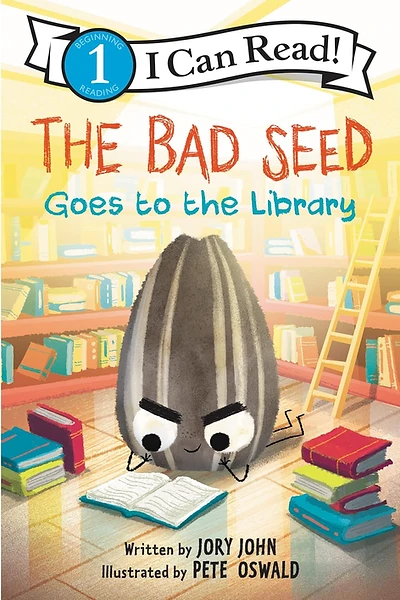
The Bad Seed Goes to the Library
by Jory John
Pacing MaterialThe Bad Seed discovers the library — and learns that even the toughest seed can find something to love about books.
Big Idea
The library is a place where everyone belongs — even a Bad Seed.
Discussion Questions
- 1.Why did the Bad Seed go to the library? What was he looking for?
- 2.How did the Bad Seed behave at the library at first? How did that change?
- 3.What are the rules of a library? Why do we have them?
- 4.What is your favorite thing about the library?
- 5.How can we make the library a welcoming place for everyone?
Classroom Activity
My Library Adventure Bookmark
Students create their own 'library adventure' bookmark featuring their favorite book character and one reason they love the library.
Lesson Plan
Learning Goals
- Understand library etiquette and book care
- Develop a love of reading and libraries
- Practice writing complete sentences
- Make text-to-self connections about reading
Activity Steps
- 1.Discuss what the Bad Seed learned at the library.
- 2.Give each student a blank bookmark template.
- 3.Students draw their favorite book character on the bookmark.
- 4.On the back, students write: 'I love the library because ___.'
- 5.Students color and decorate their bookmarks.
- 6.Laminate (optional) and use in classroom books.
Standards Connections
- ELA: RL.K-2.3 (Character Analysis)
- ELA: RL.K-2.7 (Illustrations)
- ELA: RI.K-2.7 (Informational Text Features)
- Library Media: Information Literacy
Pace-Write-Read Study with Pace-Write It!
Focus question: How does an author make a character’s trip to the library feel funny, lively, and full of change? In The Bad Seed Goes to the Library by Jory John, the Bad Seed explores a new place that first feels unfamiliar but soon becomes exciting and welcoming. The pacing moves quickly with playful thoughts, scene-by-scene discoveries, and well-timed pauses that help readers feel both the character’s hesitation and growing love of books.
| Element | How to notice or teach it in the novel |
|---|---|
| Pace | Read: Notice how the story moves from the Bad Seed’s first reactions to the library into quicker moments of exploring shelves, books, and possibilities. Jory John speeds up the action when the Bad Seed gets curious, then slows down for feelings of belonging. Classroom Activity: Write 3 short sentences that start slow and then speed up as a character enters a new place and begins to like it. |
| Plot | Read: Notice the clear story path: the Bad Seed goes to the library, reacts with its usual tough attitude, discovers books and library spaces, and changes by the end. The plot helps show that reading can turn an unfamiliar place into a welcoming one. Classroom Activity: Draw and label a beginning, middle, and end for a story about a character who thinks they will not like a place but changes their mind. |
| Prosody | Read: Listen for how the lines sound when read aloud, especially the Bad Seed’s dramatic, funny voice and the shifts between grumpy and excited moments. The sound of the sentences helps pacing feel bouncy and expressive. Classroom Activity: Choose 2 lines the Bad Seed might say and practice reading one grumpy and one delighted. |
| Word pause | Read: Notice where a single word or short phrase makes you stop and pay attention, especially when the Bad Seed reacts to something surprising in the library. These tiny pauses help the humor land. Classroom Activity: Write a 4-sentence mini-scene and add 1 one-word line for emphasis, such as “Wow.” or “Wait.” |
| Concept | Read: Notice the big idea that the library is more than a building with books; it is a place where someone like the Bad Seed can belong. The pacing supports this concept by moving from resistance to discovery. Classroom Activity: Finish this idea in writing: “A library is a place where _____ can _____.” |
| Voice & World View | Read: Notice that the Bad Seed tells the story with a tough, funny, opinionated voice, but that voice also lets readers see change happening inside. The world is viewed through a character who expects not to be impressed, which makes the library discoveries more meaningful. Classroom Activity: Write 3 first-person sentences in a strong voice about visiting a place you thought you would not like. |
| Setting & Place | Read: Notice how the library setting shapes the story, from shelves and books to cozy reading spaces and the quiet-but-busy feeling of the building. The place gives the Bad Seed new choices and slows the story enough for discovery. Classroom Activity: Make a list of 5 details from a library or classroom reading corner, then use them in 2 descriptive sentences. |
| Point of View | Read: Notice how the story stays close to the Bad Seed’s perspective, so readers experience each surprise, complaint, and happy discovery alongside the character. This point of view makes the pacing feel immediate and personal. Classroom Activity: Rewrite one library moment from the point of view of a librarian or another visitor. |
| Original Characters | Read: Notice how the Bad Seed is an unusual main character because a tiny seed acts like a tough kid with big opinions. That original character makes an ordinary trip to the library feel fresh and funny. Classroom Activity: Invent a surprising character, like a grumpy crayon or shy cookie, and write 2 sentences about that character visiting the library. |
| Dialogue | Read: Notice places where the Bad Seed’s spoken words or imagined comments add humor and speed. Dialogue helps readers hear personality quickly and keeps scenes moving. Classroom Activity: Write a 4-line conversation between the Bad Seed and a librarian about choosing a book. |
| Details | Read: Notice the small details that show what the Bad Seed notices in the library, such as books, spaces, and reading choices. These details help readers believe the setting and understand why the character begins to feel at home. Classroom Activity: Write 3 specific details a character notices during a first visit to the library. |
| Descriptions | Read: Notice how descriptions are not too long; they are just enough to show the library and the Bad Seed’s feelings without slowing the story too much. This balance keeps the pacing lively for K-2 readers. Classroom Activity: Describe a reading spot using one sentence about how it looks and one sentence about how it feels. |
| Strong First Lines | Read: Notice how the opening quickly introduces the Bad Seed’s attitude and sets up the trip to the library so readers want to know what will happen next. A strong opening starts the pace right away. Classroom Activity: Write an opening line for a story about a character entering the library for the first time. |
| Immediacy & Engagement | Read: Notice how the Bad Seed’s direct, personal reactions make readers feel close to the action right now. The funny, honest style keeps readers engaged as each library discovery happens. Classroom Activity: Write 3 sentences that make a reader feel a character is experiencing something right this minute. |
| Story Scenes & Summaries & Unique Structures | Read: Notice how some parts feel like full scenes, such as moments of exploring or reacting, while other parts move quickly through time with summary. This mix helps the story stay short but complete. Classroom Activity: Write 1 scene sentence and 1 summary sentence about a trip to the library. |
| Flashback & Flash Forward & Cliffhangers | Read: Notice whether the story hints at what the Bad Seed was like before or what might happen next as the character changes. Even small before-and-after thinking can help pacing by building curiosity. Classroom Activity: Write 1 sentence about what your character thought before entering the library and 1 sentence about what the character hopes to do next. |
| Tension & Suspense & Surprise | Read: Notice the small tension in wondering whether the Bad Seed will stay grumpy or actually connect with books and the library. Surprise comes when a tough character finds joy in reading. Classroom Activity: Write 2 sentences that create a worry about a character visiting a new place, then 1 sentence that reveals a happy surprise. |
| Page Turns and Chapter Breaks | Read: Notice how the end of a page can make readers want to turn and see what the Bad Seed will discover next in the library. In an easy reader or picture-book style story, page turns act like little suspense moments. Classroom Activity: Plan a 4-page mini-book and write a sentence at the end of page 1 that makes readers want to turn the page. |
| Performance | Read: Notice how this story invites expressive reading with facial expressions, pauses, and changes in tone for the Bad Seed’s tough-but-softening personality. The pacing becomes clearer when performed aloud. Classroom Activity: Mark one short passage with performance notes like pause, whisper, grin, or big voice. |
| Personality | Read: Notice that the Bad Seed’s personality drives the pacing because each opinion, complaint, and new interest shapes what gets attention. The character’s strong personality makes the library feel lively. Classroom Activity: Write 3 personality traits for a character and then write 2 sentences showing those traits in a library scene. |
| Humor | Read: Notice the humor in the Bad Seed acting extra tough in a place filled with books, rules, and quiet reading. The funny mismatch between character and setting helps the story move with energy. Classroom Activity: Write a funny sentence about a character trying to act cool in the library. |
| Pause | Read: Notice where the story slows for a feeling, reaction, or moment of noticing, especially when the Bad Seed starts to realize the library has something special. Pauses let readers feel the change in belonging. Classroom Activity: Add one pause sentence to a story, such as “I stopped.” or “Then I looked again.” |
| Poetry and Poetic Devices | Read: Notice whether the language uses playful sound, repeated phrasing, or vivid comparisons to make the Bad Seed’s library experience memorable. Even in prose, poetic touches can shape pacing and mood. Classroom Activity: Write one simile about books or reading, such as “The books were like _____.” |
| Repetition | Read: Notice if words, ideas, or sentence patterns repeat when the Bad Seed reacts to the library. Repetition helps young readers follow the pacing and notice the character’s changing feelings. Classroom Activity: Write 3 sentences that begin the same way, such as “I saw…” to show a character exploring the library. |
| Rhythm | Read: Notice the beat of short and long sentences as the Bad Seed moves from stubborn comments to excited discovery. Rhythm helps the reading feel smooth and playful. Classroom Activity: Write one short sentence, one longer sentence, and one short sentence about finding a book you like. |
| Punctuation | Read: Notice how punctuation marks, especially periods, commas, question marks, and exclamation points, help show the Bad Seed’s voice and control the pace. Punctuation tells readers when to stop, wonder, or sound excited. Classroom Activity: Write 3 lines of dialogue and use different end marks to show different feelings. |
| Questions | Read: Notice how wondering questions can build curiosity about what the Bad Seed will think of the library and whether books will matter to this character. Questions invite readers to keep going. Classroom Activity: Write 2 questions a character might ask while exploring the library for the first time. |
| Compare-Contrast | Read: Notice the contrast between the Bad Seed’s rough attitude and the calm, welcoming library, and compare how the character feels at the start and end. This contrast helps readers feel the change strongly. Classroom Activity: Make a T-chart comparing “Beginning Bad Seed” and “Ending Bad Seed,” then write 1 sentence about the change. |
| Objects | Read: Notice how objects like books, shelves, library cards, chairs, or signs can matter in the Bad Seed’s experience. Objects make the setting real and can trigger changes in feeling. Classroom Activity: Choose one library object and write 2 sentences about why it matters to a character. |
| Threes | Read: Notice whether the story groups ideas in threes, such as three reactions, three discoveries, or three funny observations, to create a satisfying rhythm. Groups of three often help pacing feel complete. Classroom Activity: Write 3 things the Bad Seed might notice in the library, ordering them from least interesting to most interesting. |
| Whitespace & Negative Space | Read: Notice how space on the page and shorter chunks of text give readers time to pause and think, especially in a story for young readers. White space supports pacing by making important moments stand out. Classroom Activity: Write a 5-line mini-story and leave one line by itself for the most important moment. |
| Art & Graphics | Read: Notice how the illustrations help show the Bad Seed’s expressions, body language, and changing feelings about the library. The art adds pacing by letting readers pause, laugh, and notice details beyond the words. Classroom Activity: Draw the Bad Seed in the library at the beginning and at the end, then label each picture with 1 feeling word. |
| Interactives & Gamification | Read: Notice how this story could inspire playful reader participation, such as spotting favorite books, acting out the Bad Seed’s expressions, or predicting what the character will like next. Interactive thinking keeps young readers engaged with pacing and theme. Classroom Activity: Create a “library discovery hunt” list with 4 things a character could find, then write 1 sentence about the best discovery. |
Pace-Write It!
20-Minute Classroom Flow\nRead (5 min): Read The Bad Seed Goes to the Library aloud. Pause to show the Bad Seed’s expressions and ask students to listen for when the character starts to change.\nNotice (5 min): Chart two headings: “At first…” and “Later…”. Students name how the Bad Seed feels at the beginning and how those feelings shift after exploring the library. Point out pacing moves such as quick funny reactions, pauses for noticing, and page-turn moments.\nWrite (7 min): Students write their own short scene about a character visiting the library or another reading place and discovering something they love. Writing frame: “At first, I thought _____. Then I saw _____. Next, I noticed _____. Finally, I felt _____ because _____.” Encourage students to use one strong feeling word, one library detail, and one pause line such as “Wait.”\nShare (3 min): Partners read their pieces aloud with expression, using a grumpy voice at the start and a warmer voice at the end. Invite 2-3 volunteers to share how they showed a change in feeling.\nExit ticket: Complete this sentence: “The pacing changed when _____, and that helped me understand _____.”