
 K-2
K-2P BRANTLEY-NEWTON
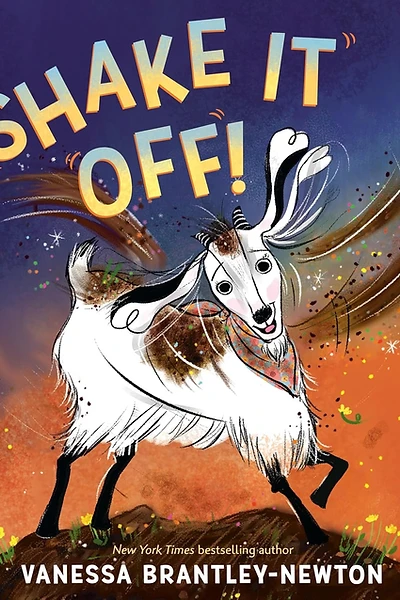
Shake It Off!
by Vanessa Brantley-Newton
Pacing MaterialA joyful goat dances through life despite the naysayers around, modeling resilience, self-expression, and the power of shaking off negativity.
Big Idea
When others are unkind, we can choose to shake off negativity and keep dancing through life with confidence and joy.
Discussion Questions
- 1.What does it mean to 'shake it off'?
- 2.How did the goat feel before and after shaking it off?
- 3.Have you ever felt unkind words? What helped?
- 4.What is a movement you can use when you feel upset?
Classroom Activity
Shake It Off Dance
Students identify a personal worry and create a 'shake it off' action — a movement or phrase — to use when they feel it.
Lesson Plan
Learning Goals
- Identify feelings associated with unkind words.
- Practice a coping strategy — shaking it off — for negative emotions.
- Build self-confidence through movement.
- Support classmates by modeling positive responses.
Activity Steps
- 1.Read the book, noting the goat's movement when faced with negativity.
- 2.Discuss what it means to 'shake off' unkind words.
- 3.Each student names a worry and pairs it with a shake-it-off action.
- 4.Practice the actions together as a class.
Standards Connections
- ELA: RL.K.1 — Ask and answer questions about key details
- ELA: RL.K.2 — Retell stories, including key details
- ELA: RL.K.3 — Describe characters, setting, and events
- ELA: RL.2.6 — Acknowledge differences in characters' points of view
- ELA: SL.K.1 — Participate in collaborative conversations about the text
- ELA: W.K.3 — Write narratives recounting events with descriptive details
- SEL: Self-Management
- SEL: Responsible Decision-Making
- Art: VA:Re7 — Perceive and analyze artistic work
Pace-Write-Read Study with Pace-Write It!
Focus question: How does an author make a story move with energy while also showing a character staying strong? In "Shake It Off!" by Vanessa Brantley-Newton, a lively goat keeps dancing and shining even when others try to bring her down. The pacing feels bouncy and joyful because the story uses movement, repeated ideas, expressive illustrations, and quick emotional shifts to show confidence and resilience.
| Element | How to notice or teach it in the novel |
|---|---|
| Pace | Read: Notice how the story moves with a quick, dance-like pace as the goat keeps going instead of getting stuck in hurt feelings. The action of shaking off negativity helps the book feel active and upbeat. Classroom Activity: Write 3 short actions in a row that show a character getting teased and then bouncing back fast. |
| Plot | Read: Notice the simple but strong plot pattern: the goat expresses herself, others react, and she chooses confidence anyway. This pattern helps young readers follow the problem and the resilient response. Classroom Activity: Draw and label beginning, middle, and end for a new story about a character who keeps going after someone says something discouraging. |
| Prosody | Read: Listen to how the words sound lively when read aloud, matching the goat’s joyful energy and bold self-expression. The rhythm of the language supports the theme of confidence. Classroom Activity: Practice reading one page with a strong, cheerful voice, then write one line your class could read aloud with proud expression. |
| Word pause | Read: Notice places where a reader may naturally pause after a negative comment or before the goat responds with action. These small pauses help readers feel the shift from hurt to strength. Classroom Activity: Write a 2-sentence moment where a character hears something unkind, pauses, and then chooses a brave action. |
| Concept | Read: The big idea is that you can stay true to yourself and shake off negativity. The goat’s dancing becomes a clear symbol of resilience and confidence. Classroom Activity: Finish this idea in writing: "When people doubt me, I can ___ because ___." |
| Voice & World View | Read: Notice that the story’s voice feels warm, encouraging, playful, and full of belief in self-expression. The world view celebrates being yourself even when others do not understand you. Classroom Activity: Write 2-3 sentences in a kind, encouraging voice that cheer on a character who is being herself. |
| Setting & Place | Read: Notice how the places in the story support movement, performance, and being seen by others. The setting helps create chances for the goat to respond to a watching crowd or community. Classroom Activity: Write a new setting where a confident character could stand out, such as a playground, stage, bus, or lunchroom, and explain how that place affects the action. |
| Point of View | Read: Think about how readers mostly follow the goat’s experience and feelings as she moves through the story. This keeps us close to her resilience and helps us root for her. Classroom Activity: Rewrite one moment from the point of view of a naysayer who changes their mind after watching the goat keep dancing. |
| Original Characters | Read: Notice how the goat is a memorable main character because she is joyful, expressive, and determined. The other characters matter because their doubtful reactions help reveal her inner strength. Classroom Activity: Invent an original animal character with one big talent and one challenge, then write how that character keeps going when others do not believe in them. |
| Dialogue | Read: Notice how spoken reactions from others can create conflict quickly, while the goat’s response shows confidence. Dialogue helps move the story without long explanation. Classroom Activity: Write 4 lines of dialogue between a performer and someone who doubts them, ending with a confident reply. |
| Details | Read: Notice the small details that show the goat’s energy, movement, and emotional strength. These details make the theme of resilience feel real and visible. Classroom Activity: Make a list of 5 tiny details that could show a character is nervous at first but proud by the end. |
| Descriptions | Read: Notice how descriptions help readers picture the goat’s dancing, expression, and joyful presence. Descriptive language adds sparkle and keeps the pacing lively instead of flat. Classroom Activity: Write 3 describing sentences about a character moving in a bold, happy way across a room or stage. |
| Strong First Lines | Read: Think about how a strong opening in a story like this needs to grab readers with personality, movement, or attitude right away. A powerful first line helps set the fast, upbeat pace. Classroom Activity: Write 2 possible first lines for a resilience story about a character who refuses to give up being themselves. |
| Immediacy & Engagement | Read: Notice how the story quickly pulls readers into the goat’s actions and feelings so we care right away. The sense of motion and emotion keeps the book engaging from page to page. Classroom Activity: Write an opening sentence that starts in the middle of action, such as dancing, singing, or trying something brave. |
| Story Scenes & Summaries & Unique Structures | Read: Notice how some moments feel like full scenes, where we can picture exactly what the goat is doing, while other parts move quickly to the next emotional beat. This balance keeps the story from feeling too slow or too rushed. Classroom Activity: Write one scene in 3-4 sentences about a character being laughed at, then one summary sentence that jumps to how they keep going later. |
| Flashback & Flash Forward & Cliffhangers | Read: Even in a picture book with a simple structure, readers can imagine what happened before a hard moment or what might happen next after the goat keeps dancing. These thinking moves deepen engagement with her resilience. Classroom Activity: Add one flashback sentence beginning with "Before this..." and one flash forward sentence beginning with "Soon..." to a short resilience story. |
| Tension & Suspense & Surprise | Read: Notice the tension created when others disapprove and readers wonder whether the goat will feel hurt or stop dancing. The surprise is that she keeps choosing joy and self-expression. Classroom Activity: Write 3 sentences that build tension before a character makes a surprising brave choice. |
| Page Turns and Chapter Breaks | Read: Notice how picture books use page turns to create expectation: we see a setup, then turn the page to discover the goat’s next move or reaction. In this story, page turns help deliver emotional shifts and bursts of energy. Classroom Activity: Plan a 4-page mini-book and write what happens before and after one important page turn. |
| Performance | Read: The goat’s dancing feels like a performance, and that performative energy shapes the pacing of the whole book. Readers can almost see an audience watching her confidence grow. Classroom Activity: Write about a character performing a talent while others watch, and show how the performance changes the mood. |
| Personality | Read: Notice how the goat’s bright personality drives the story more than a complicated plot does. Her spirit, style, and determination create forward motion. Classroom Activity: Write a character sketch of someone whose big personality helps them overcome a mean comment. |
| Humor | Read: Notice the playful, light feeling that keeps the story uplifting even when the theme includes negativity. Humor and joy help resilience feel powerful rather than heavy. Classroom Activity: Write one funny but kind moment that shows a character laughing and moving on after a mistake or rude comment. |
| Pause | Read: Notice where the story may slow down just enough for readers to feel the sting of criticism before the goat shakes it off. That brief pause makes her comeback stronger. Classroom Activity: Write a short moment with one pause line, such as "She stopped." before showing a brave next step. |
| Poetry and Poetic Devices | Read: Notice how the language can feel musical and playful, fitting the goat’s movement and confidence. Sound patterns, repeated words, and vivid images help the story feel almost like a chant or song. Classroom Activity: Write 4 short lines about a character who keeps shining, using at least one repeated word or sound. |
| Repetition | Read: Repetition helps underline the message that the goat keeps going no matter what others say. Repeated actions or ideas make the resilience theme memorable for young readers. Classroom Activity: Write a 5-line piece where the same starter repeats, such as "She kept..." or "I can..." |
| Rhythm | Read: Notice how the rhythm of the words matches dancing, stepping, and shaking off mean words. Rhythm helps the pacing feel physical and joyful. Classroom Activity: Clap a steady beat and write one sentence that matches the beat while describing a proud movement. |
| Punctuation | Read: Notice how punctuation in a book like this can speed things up, slow them down, or add excitement to the goat’s bold reactions. Exclamation points and line breaks can support energetic pacing. Classroom Activity: Write 3 versions of the same confident sentence using a period, question mark, and exclamation point, then tell how each one feels different. |
| Questions | Read: Think about the questions readers may ask: Will the goat listen to the naysayers? Will she stop being herself? These questions help keep the story moving. Classroom Activity: Write 3 questions a reader might ask during a story about a character facing criticism, then answer one in a final sentence. |
| Compare-Contrast | Read: Notice the contrast between the negativity around the goat and her joyful self-confidence. This strong difference sharpens the book’s message about resilience. Classroom Activity: Make a T-chart comparing what the naysayers do and what the goat does, then write 2 sentences explaining the contrast. |
| Objects | Read: Notice any objects connected to movement, style, or performance that help tell us who the goat is. In a story about self-expression, even small objects can support character and pacing. Classroom Activity: Choose one object, such as shoes, a hat, or a scarf, and write how it helps a character feel brave. |
| Threes | Read: Stories for young readers often use groups of three actions, comments, or attempts to create pattern and momentum. The goat’s repeated resilience could be tracked in threes to make her persistence stand out. Classroom Activity: Write 3 moments in a row where a character hears doubt, responds, and grows stronger each time. |
| Whitespace & Negative Space | Read: Notice how open space on a page can give the goat room to move, dance, and stand out. Whitespace can also make an emotional moment feel bigger and help readers pause. Classroom Activity: Create a one-page piece with only one short sentence in the middle to show a powerful turning point for a character. |
| Art & Graphics | Read: Notice how the illustrations help create pace by showing motion, expression, and the goat’s lively presence. The art supports the text by making resilience visible and celebratory. Classroom Activity: Draw a quick sketch of a character before and after shaking off negativity, then write one sentence for each picture. |
| Interactives & Gamification | Read: This story invites active participation because children can mimic the goat’s movements and practice shaking off unkind words. That physical response deepens understanding of confidence and resilience. Classroom Activity: Make a class chart titled "Shake It Off" and have students add one phrase a character could say or do when facing negativity, then use one idea in a sentence. |
Pace-Write It!
20-Minute Classroom Flow\nRead (5 min): Read aloud key pages from "Shake It Off!" by Vanessa Brantley-Newton. Ask students to listen for moments when the goat could feel discouraged and notice how she keeps moving with confidence.\nNotice (5 min): Discuss how the pacing feels fast, bouncy, and joyful. Point out repetition, movement words, page turns, and the contrast between the naysayers and the goat’s resilient response. Ask: "How does the story keep going instead of staying stuck in the hurt moment?"\nWrite (7 min): Students write a short resilience scene about a character who hears something discouraging but keeps being themselves. Writing frame: "___ said, '___.' I felt ___. Then I ___. I shook it off by ___. Now I ___." Encourage students to include one action word, one feeling word, and one confident final line.\nShare (3 min): Partners read their pieces aloud with expression. Invite them to emphasize the pause before the brave action and the strong ending line.\nExit ticket: Write one sentence answering: "How did the goat in 'Shake It Off!' show confidence when others were negative?"