 K-3
K-3P BRIDGEWATER
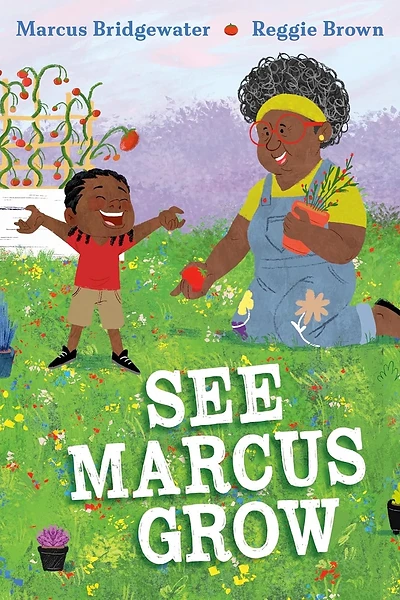
See Marcus Grow
by Marcus Bridgewater
Pacing MaterialA gentle, encouraging story about growing — in the garden and in life — and the patience and care it takes to bloom.
Big Idea
Growth happens slowly, and with patience and care, we all bloom in our own time.
Discussion Questions
- 1.What does Marcus learn about growing?
- 2.How is growing a plant like growing as a person?
- 3.Why is patience important?
- 4.What are you growing toward?
Classroom Activity
My Growth Garden
Draw a garden. Each plant represents something you're growing in — label each one.
Lesson Plan
Learning Goals
- Identify how See Marcus Grow connects growing a garden with growing as a person.
- Use details from the story’s words or illustrations to explain why growth takes patience and care.
- Identify two or three skills or habits students are developing, such as reading, sharing, or trying something new.
- Create and label a personal growth garden that shows how practice, help, and patience support learning.
Activity Steps
- 1.Read See Marcus Grow aloud. Pause to ask: “What helps a garden grow?” and “What does the story teach us about growing in our own time?” Invite students to point to supporting words or illustrations.
- 2.Make a class chart comparing garden growth with personal growth: plants need water and care; people need practice, encouragement, and time. Explain that people do not all grow or learn at the same pace.
- 3.Model drawing a plant labeled “Reading.” Add a watering can labeled “Practice” to show one way to care for that growing skill.
- 4.Have students draw their own growth gardens with two or three plants. Each plant represents a skill or habit they are developing. Students label their plants using words, short sentences, or dictated labels.
- 5.Ask students to add sunshine, water, or soil and label these with supports their growth needs, such as “Help,” “Practice,” or “Patience.” Older students can write: “I am growing in ____. I can help myself grow by ____.”
- 6.Invite partners to share one plant and its support. Close by connecting their gardens to the book’s message: growth takes time, and everyone can bloom in their own time.
Standards Connections
- ELA: CCSS RL.K.1–RL.3.1 — Ask and answer questions about the story, using words and illustrations to support responses.
- ELA: CCSS RL.K.2–RL.3.2 — Discuss the story’s message about patience, care, and growth, with grade-appropriate support.
- ELA: CCSS SL.K.1–SL.3.1 — Participate in collaborative conversations about the book and personal growth gardens.
- SEL: Self-awareness — Identify developing skills, strengths, and areas for growth.
- SEL: Self-management — Recognize how patience, practice, and seeking help support progress toward goals.
Pace-Write-Read Study with Pace-Write It!
Focus question: How does a story slow down to help us notice growth, patience, and small changes? In See Marcus Grow by Marcus Bridgewater, the gentle pacing matches Marcus’s careful work in the garden and his growing understanding of himself. The book uses quiet moments, repeated actions, and reflective language to show that growing—like gardening—takes time, attention, and care.
| Element | How to notice or teach it in the novel |
|---|---|
| Pace | Read: Notice how See Marcus Grow moves calmly, giving Marcus time to plant, water, wait, and observe. The slow, steady pacing helps readers feel that real growth in the garden and in life does not happen all at once. Classroom Activity: Write 3-4 short sentences about growing a seed or learning something new, using slow steps in order to create a calm pace. |
| Plot | Read: Notice how the plot follows Marcus as he cares for growing things while also learning about patience and change in himself. The events are simple, but each step adds to the message that growth happens little by little. Classroom Activity: Make a beginning-middle-end chart for Marcus’s journey, then write one new middle event that would fit the story’s growth theme. |
| Prosody | Read: Notice how the language in See Marcus Grow sounds soothing and encouraging when read aloud, matching the peaceful garden setting. The rhythm of the sentences supports the mindful tone of Marcus Bridgewater’s storytelling. Classroom Activity: Choose one page or moment and practice reading it aloud in a calm, gentle voice, then write one sentence that should be read softly and one that should be read with excitement. |
| Word pause | Read: Notice where a reader naturally pauses to think about Marcus’s actions, such as planting, noticing, and waiting. These small pauses help the message of mindfulness settle in. Classroom Activity: Write two sentences about Marcus in the garden and mark with a slash where a reader should pause to think. |
| Concept | Read: Notice that the big concept in See Marcus Grow is that garden growth and personal growth are connected. Marcus learns that blooming takes patience, care, and belief over time. Classroom Activity: Write a sentence starter response: “Marcus’s garden teaches him that people grow by ______.” |
| Voice & World View | Read: Notice how the story’s voice feels warm, hopeful, and encouraging, showing a world view that values care, mindfulness, and steady effort. The book suggests that small acts of tending matter. Classroom Activity: Write 2-3 sentences in a kind, encouraging voice that teach a younger child how to be patient while waiting for something to grow. |
| Setting & Place | Read: Notice how the garden setting shapes the book’s calm pacing and central meaning. The natural space gives Marcus room to observe small changes and connect growth in plants to growth in himself. Classroom Activity: Draw and label Marcus’s garden, then write three setting details that help make the place feel peaceful. |
| Point of View | Read: Notice how the story stays close to Marcus’s experience so readers can understand what he notices, feels, and learns. This helps the quiet pacing feel personal and reflective. Classroom Activity: Rewrite one garden moment from the point of view of a seed or sprout watching Marcus care for it. |
| Original Characters | Read: Notice that Marcus stands out as a gentle, observant character whose strength comes from patience and care instead of speed or loud action. His character fits the story’s message that tending and growing are important work. Classroom Activity: Invent a new friend for Marcus who is still learning patience, and write 3 sentences showing how Marcus might help that character grow. |
| Dialogue | Read: Notice any spoken or imagined words that sound supportive, simple, and thoughtful, matching the story’s calm style. Dialogue in a book like this can slow the pace and highlight an important lesson. Classroom Activity: Write a short 2-line dialogue between Marcus and a plant, where Marcus encourages it and the plant teaches him something about waiting. |
| Details | Read: Notice the small details about caring for plants—planting, watering, watching, waiting—that build the book’s meaning. These details help readers understand that growth is made of little actions. Classroom Activity: Make a list of five tiny garden details Marcus might notice, then use three of them in a sentence or two. |
| Descriptions | Read: Notice how descriptions likely focus on gentle changes in the garden and Marcus’s careful movements. Descriptions slow readers down so they can see growth happening bit by bit. Classroom Activity: Write a description of a sprout pushing up through the soil using at least three describing words. |
| Strong First Lines | Read: Notice how the opening of See Marcus Grow likely welcomes readers into a calm, hopeful story about change. A strong first line sets the mood and prepares us for a story that unfolds slowly. Classroom Activity: Write your own first line for a story about growing something, making it sound peaceful and full of possibility. |
| Immediacy & Engagement | Read: Notice how the book keeps readers engaged not through fast action, but through close attention to Marcus’s small discoveries and feelings. We stay interested because we want to see what patient care will bring. Classroom Activity: Write two sentences that make a quiet moment feel important, such as Marcus noticing the very first sign of growth. |
| Story Scenes & Summaries & Unique Structures | Read: Notice how some parts of Marcus’s story may feel like close-up scenes while other parts may summarize time passing as plants grow. This structure helps the story show both daily care and longer-term change. Classroom Activity: Write one scene sentence about Marcus watering a plant today and one summary sentence about what happens over many days. |
| Flashback & Flash Forward & Cliffhangers | Read: Notice whether the story hints at remembering earlier effort or imagining future blooming, even without dramatic cliffhangers. In a gentle story like this, looking back and forward can deepen the meaning of growth. Classroom Activity: Write one sentence about what Marcus did before planting and one sentence about what he hopes to see later. |
| Tension & Suspense & Surprise | Read: Notice that the tension in See Marcus Grow is quiet: Will the plant grow? Can Marcus stay patient? The suspense comes from waiting and wondering, and the surprise may come in small signs of change. Classroom Activity: Write 2-3 sentences that create gentle suspense about waiting for a seed to sprout. |
| Page Turns and Chapter Breaks | Read: Notice how page turns in a picture book can hold a moment of waiting before revealing a new stage of growth in Marcus’s garden. Turning the page can make a tiny change feel exciting. Classroom Activity: Plan a two-page spread by writing what happens before the page turn and what readers discover after the turn. |
| Performance | Read: Notice how this story invites a calm reading performance with soft volume, thoughtful pauses, and expressive emphasis on words about care and growth. The performance should match Marcus’s mindful actions. Classroom Activity: Rehearse reading one part aloud using a peaceful tone, then write a note to yourself about where to slow down. |
| Personality | Read: Notice Marcus’s personality as caring, patient, and thoughtful. His personality shapes the pace because he pays attention instead of rushing. Classroom Activity: Write 3 sentences showing Marcus’s personality through his actions in the garden, without using the words kind, patient, or calm. |
| Humor | Read: Notice whether there are light, playful moments in Marcus’s learning, such as the contrast between wanting quick results and discovering that plants grow in their own time. Gentle humor can keep a quiet story warm and inviting. Classroom Activity: Write one funny but gentle sentence about a plant that seems to have its own personality while Marcus waits for it to grow. |
| Pause | Read: Notice how the story creates pause for reflection, helping readers think about growth in plants and people. These pauses are part of the mindfulness theme. Classroom Activity: After reading, pause for 30 seconds and then write one sentence beginning, “When Marcus waits, he learns ______.” |
| Poetry and Poetic Devices | Read: Notice any poetic language, imagery, or comparisons that make the garden feel beautiful and meaningful. A gentle fiction picture book about growth often uses poetic phrasing to deepen emotion. Classroom Activity: Write one simile about Marcus’s garden, such as “The sprout was like _____.” |
| Repetition | Read: Notice repeated actions or ideas—care, waiting, noticing, growing—that help reinforce the theme of steady progress. Repetition slows the pace and makes the lesson memorable. Classroom Activity: Write a 4-line piece that repeats the phrase “Marcus keeps growing” or “Grow, little seed” to create emphasis. |
| Rhythm | Read: Notice the smooth rhythm of the language as Marcus tends the garden and reflects on change. The rhythm supports the peaceful mood and helps the story feel steady like daily care. Classroom Activity: Write three short lines about planting that sound smooth when read aloud. |
| Punctuation | Read: Notice how periods, commas, and perhaps exclamation points help control pacing in a quiet story like See Marcus Grow. Softer punctuation can help the reading feel thoughtful and unhurried. Classroom Activity: Write one sentence about Marcus with commas to slow the reading and one sentence with an exclamation point to show joy at new growth. |
| Questions | Read: Notice the questions readers may ask while Marcus waits: What will happen next? How long will growth take? What can Marcus learn from this? Questions keep readers engaged even in a gentle story. Classroom Activity: Write three questions Marcus might ask himself while looking at his garden. |
| Compare-Contrast | Read: Notice how the book compares plant growth and personal growth, showing that both need time, care, and patience. It may also contrast rushing with waiting. Classroom Activity: Complete a compare-contrast chart for “How a plant grows” and “How a person grows,” then write one sentence using both ideas. |
| Objects | Read: Notice the important objects in Marcus’s world, such as seeds, soil, watering tools, or sprouts. These objects carry meaning because they connect daily actions to larger lessons about growth. Classroom Activity: Choose one garden object and write 2 sentences explaining how it helps Marcus learn something important. |
| Threes | Read: Notice if the story groups ideas in threes, such as three actions Marcus repeats or three ways growth is shown. Groups of three can make a pattern feel complete and memorable. Classroom Activity: Write a sentence with three actions Marcus does in order, such as “Marcus digs, plants, and waters.” |
| Whitespace & Negative Space | Read: Notice how open space on the page in a picture book can create calm and give readers time to think about Marcus’s small moments of change. Empty space can slow pacing just like waiting slows growth. Classroom Activity: Create a mini page with one short sentence about Marcus and leave lots of blank space around it to show a quiet moment. |
| Art & Graphics | Read: Notice how the illustrations likely help show gradual change in the garden, Marcus’s expressions, and the peaceful mood. In this book, art works with the words to reveal growth over time. Classroom Activity: Draw three small pictures in sequence—seed, sprout, bloom—and write a caption for each in Marcus’s story world. |
| Interactives & Gamification | Read: Notice how readers can interact mentally with the story by tracking stages of growth and predicting what Marcus will notice next. The theme of mindfulness also invites students to observe closely like gardeners. Classroom Activity: Make a “Marcus Growth Tracker” with boxes for plant, person, and feeling, then fill it in with one example from the story and one example from your own life. |
Pace-Write It!
20-Minute Classroom Flow\nRead (5 min): Read See Marcus Grow by Marcus Bridgewater aloud, inviting students to listen for places where the story slows down. Ask them to notice what Marcus does again and again in the garden and what he learns while waiting.\nNotice (5 min): Discuss: How does the story’s slow, gentle pacing help us understand growth and mindfulness? Chart student observations such as repeated actions, quiet moments, page turns, and small changes in the garden.\nWrite (7 min): Students write a short growth scene inspired by Marcus. Writing frame: “First, I ______. Next, I ______. Then, I wait and notice ______. As I wait, I learn ______.” Encourage students to write about planting something, practicing a skill, or growing in a feeling or habit.\nShare (3 min): Partners read their pieces aloud in calm, expressive voices. Listeners share one place where the writer slowed the pacing to show patience or change.\nExit ticket: Write one sentence answering: “How does slowing down a story help readers understand growth?”
Pace-Write-Read Connection
Teach this book using the Pace-Write-Read method — Tool 24: Pause.
Open the Mastery Manual