 PreK-2
P DOERRFELD
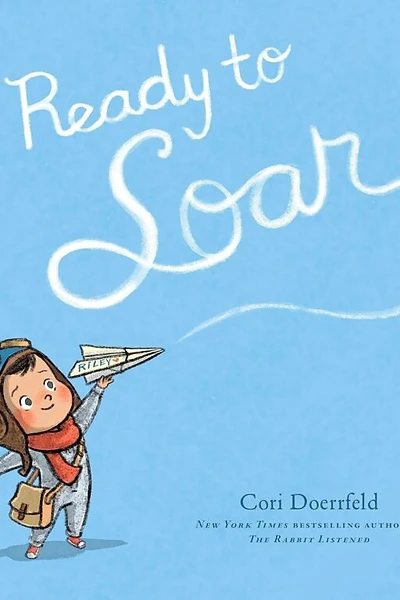
Ready to Soar
by Cori Doerrfeld
Pacing MaterialA young child named Riley builds a paper airplane and dreams of flight, discovering that the journey of trying — and trying again — is where the real adventure lies.
Big Idea
Every great flight begins with a single fold and the courage to let go.
Discussion Questions
- 1.What is Riley trying to do with the paper airplane?
- 2.What happens when things don't go as planned?
- 3.How does Riley feel when the airplane doesn't fly perfectly at first?
- 4.What would you build if you could make anything fly?
- 5.Why is it important to keep trying even when things are hard?
Classroom Activity
Paper Airplane Design Lab
Students design, test, and refine paper airplanes, documenting what works and what doesn't — just like Riley.
Lesson Plan
Learning Goals
- Engage in the engineering design process (build, test, improve)
- Develop persistence through trial and error
- Use descriptive language to explain what happened and why
- Connect imaginative play to problem-solving
Activity Steps
- 1.Read the book and discuss how Riley approaches building the airplane.
- 2.Give each student paper and demonstrate a basic fold.
- 3.Let students build their own airplanes and test them in an open space.
- 4.Have students observe what worked and what didn't, then try again.
- 5.Share final designs and celebrate both successes and creative attempts.
Standards Connections
- ELA: RL.K.1 — Ask and answer questions about key details
- ELA: RL.K.2 — Retell stories, including key details
- ELA: RL.K.3 — Describe characters, setting, and events
- ELA: RL.2.6 — Acknowledge differences in characters' points of view
- ELA: SL.K.1 — Participate in collaborative conversations about the text
- ELA: W.K.3 — Write narratives recounting events with descriptive details
- SEL: Self-Awareness
- SEL: Relationship Skills
- Art: VA:Re7 — Perceive and analyze artistic work
Pace-Write-Read Study with Pace-Write It!
Focus question: How does an author slow down and speed up a story to show a character’s dreaming, trying, and trying again? In Ready to Soar by Cori Doerrfeld, Riley folds a paper airplane and imagines what it would be like to fly, moving between hopeful action and quiet reflection. The pacing helps readers feel both the excitement of lift-off and the slower moments of retrying, showing that the adventure lives inside persistence and imagination.
| Element | How to notice or teach it in the novel |
|---|---|
| Pace | Read: Notice how Ready to Soar moves quickly when Riley launches the paper airplane and slows down when Riley watches, thinks, and tries again. The pacing matches the theme that dreams take patience as well as excitement. Classroom Activity: Write 3 short sentences about a fast moment and 3 longer sentences about a slow moment when Riley tests a new airplane design. |
| Plot | Read: Notice the clear sequence in Riley’s story: build, launch, hope, fail, imagine, and try again. Cori Doerrfeld keeps the plot simple so the pacing highlights Riley’s persistence and growing dream of flight. Classroom Activity: Make a beginning-middle-end chart for Riley’s airplane journey, then write one sentence for each part. |
| Prosody | Read: Listen to how the story sounds when read aloud, especially in parts where Riley’s hopes rise and then dip after an unsuccessful flight. The smooth, gentle phrasing supports the dreamy tone of the book. Classroom Activity: Read one page aloud in an excited voice and one page in a soft thoughtful voice, then write a line for Riley in each mood. |
| Word pause | Read: Notice places where a single important word or short phrase can make readers pause and feel Riley’s hope, disappointment, or wonder. In this story, small pauses can make a launch or a crash feel bigger. Classroom Activity: Write a sentence about Riley throwing the plane and add a dash or line break before the most important word. |
| Concept | Read: Notice that the big idea is not just about a paper airplane but about imagination, dreams, and learning through trying again. The pacing gives time for readers to sit with this concept instead of rushing past it. Classroom Activity: Write 2 sentences explaining what Riley learns from the airplane adventure. |
| Voice & World View | Read: Notice the warm, encouraging voice of Ready to Soar, which sees mistakes as part of discovery. The world of the story feels safe for Riley to wonder, fail, and begin again. Classroom Activity: Write a kind narrator sentence that cheers Riley on after the airplane does not fly far. |
| Setting & Place | Read: Notice how the places where Riley folds, launches, watches, and imagines shape the pacing of the story. Small physical spaces can open into big dream spaces as Riley thinks about soaring. Classroom Activity: Draw and label the place where Riley tests the airplane, then write 2 setting sentences that show both the real place and the imagined sky. |
| Point of View | Read: Notice how the story stays close to Riley’s experience so readers feel each launch, each letdown, and each burst of imagination. This close focus slows the story enough for us to understand Riley’s feelings. Classroom Activity: Write 3 first-person sentences beginning with “I” as if you are Riley getting ready to launch the plane. |
| Original Characters | Read: Notice how Riley feels fresh and believable because the character is both dreamer and doer. Riley is not only imagining flight but also working with hands, eyes, and patience to make the dream move. Classroom Activity: Create a new character friend for Riley who helps with airplane testing and write 3 sentences describing how that character acts. |
| Dialogue | Read: Notice any spoken words or places where readers can imagine what Riley might say before or after a launch. Dialogue can speed up a scene and show emotion quickly in a story like this. Classroom Activity: Write 4 lines of dialogue between Riley and a grown-up or friend about what to try next with the paper airplane. |
| Details | Read: Notice the small details around folding, holding, tossing, and watching the airplane. These concrete details make Riley’s journey feel real and slow the pacing enough for readers to picture each attempt. Classroom Activity: Write a sentence listing 3 small details Riley notices before letting the plane go. |
| Descriptions | Read: Notice how descriptions help us see the plane, the movement, and Riley’s changing feelings. Cori Doerrfeld’s gentle descriptive style supports a story that floats between the real and the imagined. Classroom Activity: Write 2 describing sentences about the airplane in the air, using color, shape, or movement words. |
| Strong First Lines | Read: Notice how the opening quickly invites readers into Riley’s world of making and imagining. A strong start helps set the pace by giving readers something simple and interesting to follow right away. Classroom Activity: Write a new first line for a story about Riley making a different flying invention. |
| Immediacy & Engagement | Read: Notice how readers want to keep going because they wonder whether Riley’s next try will soar. The quick problem-and-attempt pattern keeps the story active and engaging. Classroom Activity: Write 2 cliffhanger-style sentences that end with Riley about to throw the plane again. |
| Story Scenes & Summaries & Unique Structures | Read: Notice how some parts feel like close-up scenes, such as a launch, while other parts feel more like a quick summary of repeated trying. This balance keeps Ready to Soar from feeling too slow or too rushed. Classroom Activity: Write one scene sentence about a single launch and one summary sentence about many tries. |
| Flashback & Flash Forward & Cliffhangers | Read: Notice how Riley’s imagination can feel like a flash forward into what flying might be like, even while the real story stays in the present. Readers can also feel a tiny cliffhanger before each attempt because they do not know what will happen. Classroom Activity: Write a flash-forward sentence showing Riley imagining soaring high above, then write a present-time sentence returning to the room or yard. |
| Tension & Suspense & Surprise | Read: Notice the small suspense before the paper airplane leaves Riley’s hand and the surprise of what it does next. In a quiet picture book, this gentle tension keeps the pacing alive. Classroom Activity: Write 3 sentences that build suspense before a launch, ending with what unexpectedly happens. |
| Page Turns and Chapter Breaks | Read: Notice how page turns matter in a picture book like Ready to Soar because they can hide the result of Riley’s throw for one extra beat. That tiny delay helps create anticipation. Classroom Activity: Plan a 4-page mini-book about Riley’s next invention and write one sentence for each page turn. |
| Performance | Read: Notice how this story invites movement when read aloud—hands folding, arms lifting, eyes following the airplane. The pacing can be felt in the body as well as heard in the words. Classroom Activity: Act out Riley’s launch with your arm, then write a sentence using an action verb that matches your movement. |
| Personality | Read: Notice Riley’s personality as hopeful, curious, and determined. Those traits shape the pacing because Riley keeps returning to the task instead of giving up. Classroom Activity: Write 3 words that describe Riley, then use each word in a sentence about the airplane adventure. |
| Humor | Read: Notice any light, playful moments in Riley’s experimenting, especially if a plane flops, dips, or behaves in an unexpected way. Gentle humor can make repeated attempts feel fun instead of frustrating. Classroom Activity: Write a funny sentence about the silliest way Riley’s paper airplane could fail. |
| Pause | Read: Notice the quiet pauses after a launch when Riley watches and waits. These still moments are important because they let readers feel hope, wonder, and disappointment. Classroom Activity: Write 2 short sentences and 1 sentence fragment to create a pause after Riley throws the plane. |
| Poetry and Poetic Devices | Read: Notice the poetic feeling in the dreamy idea of soaring and in words that may sound soft, airy, or light. The book’s language can feel almost like a poem when Riley imagines flight. Classroom Activity: Write a 3-line poem about Riley’s airplane using one simile, such as “like a bird” or “like a whisper.” |
| Repetition | Read: Notice how repeated trying is central to the story’s message. Repetition in actions, words, or structure can show Riley’s persistence and help the pacing feel steady and purposeful. Classroom Activity: Write 4 sentences that repeat the starter “Riley tried again…” and change the ending each time. |
| Rhythm | Read: Notice the rhythm created by fold, toss, watch, and try again. This repeating pattern gives the story a gentle beat that matches Riley’s steady determination. Classroom Activity: Clap a four-beat pattern for Riley’s actions, then write one sentence that follows that same action order. |
| Punctuation | Read: Notice how punctuation can control speed in a story like this—periods can slow a moment, commas can stretch watching, and exclamation points can lift a launch. Punctuation helps shape how readers feel Riley’s attempts. Classroom Activity: Write the same Riley launch sentence three times using a period, a comma, and an exclamation point to change the pace. |
| Questions | Read: Notice the wondering built into the story: Will it fly? What should Riley try next? Questions keep readers connected to Riley’s dream. Classroom Activity: Write 3 questions Riley might ask while fixing the paper airplane. |
| Compare-Contrast | Read: Notice the contrast between imagination and reality, soaring and falling, quick action and slow reflection. These contrasts help the pacing shift in meaningful ways. Classroom Activity: Write 2 compare-contrast sentences about Riley’s imagined flight versus the real airplane flight. |
| Objects | Read: Notice how the paper airplane is a small object with a big job in the story. It carries the theme of dreams, effort, and possibility. Classroom Activity: Choose the paper airplane or another object from Riley’s workspace and write 3 sentences explaining why it matters. |
| Threes | Read: Notice how trying something multiple times can build a satisfying pattern, especially in groups of three. Riley’s repeated attempts can help young readers feel the structure of the story. Classroom Activity: Write a sequence of 3 tries for Riley: first try, second try, third try. |
| Whitespace & Negative Space | Read: Notice how open space on a page can make Riley or the airplane feel small against a big dream-filled sky. Whitespace can also slow readers down and create a thoughtful pause. Classroom Activity: On a blank page, write one small sentence in the center about Riley’s airplane and leave lots of space around it, then explain how the space changes the feeling. |
| Art & Graphics | Read: Notice how the illustrations in Ready to Soar help tell the pace of the story by showing motion, stillness, size, and feeling. Cori Doerrfeld’s art supports Riley’s imagination and the emotional arc of each try. Classroom Activity: Sketch 3 panels of Riley’s airplane flight—before, during, and after—and add one sentence caption to each. |
| Interactives & Gamification | Read: Notice how the story invites readers to predict, move, and cheer for Riley’s next attempt. The repeated challenge of making the plane soar can feel almost like a game with new strategies each round. Classroom Activity: Make a class “Soar Chart” with boxes for Try 1, Try 2, and Try 3, then write one new idea Riley could test in each box. |
Pace-Write It!
20-Minute Classroom Flow\nRead (5 min): Read Ready to Soar by Cori Doerrfeld aloud. Pause at a few key moments before Riley launches the paper airplane and after it lands so students can feel how the story speeds up and slows down.\nNotice (5 min): Ask: “When did the story feel fast? When did it feel slow?” Chart student ideas under two headings: Fast Moments and Slow Moments. Guide students to notice that launch moments are quick, while watching, wondering, and trying again are slower.\nWrite (7 min): Students write their own short Riley-style moment about trying to make something fly, float, or move. Writing frame: “Riley made a _____. Riley took a breath. Riley let it go. It _____. Riley felt _____. Riley tried again by _____.” Encourage students to add one fast action sentence and one slow feeling sentence.\nShare (3 min): Invite partners to read their writing aloud and point to the sentence that feels fast and the sentence that feels slow. Ask a few students to share how they showed persistence like Riley.\nExit ticket: On a small slip, students complete: “The story slowed down when _____.” or “The story sped up when _____.”