 K-3
K-3P FLEMING
Polar Bear
by Candace Fleming
Pacing MaterialA beautifully illustrated picture book following a polar bear and her cubs through the Arctic seasons, exploring their habitat, hunting, and the challenges of a warming world.
Big Idea
Polar bears are magnificent survivors shaped by their Arctic environment, and their future depends on our understanding of climate change.
Discussion Questions
- 1.How are polar bears adapted to survive in the Arctic?
- 2.What challenges do polar bear cubs face growing up?
- 3.How does climate change affect polar bear habitats?
- 4.What can we do to help protect Arctic animals?
Classroom Activity
Arctic Habitat Research
Students research the Arctic ecosystem and create a poster showing how polar bears interact with their environment.
Lesson Plan
Learning Goals
- Understand polar bear adaptations and survival strategies
- Explore the Arctic ecosystem and food web
- Examine the impact of climate change on Arctic wildlife
- Develop research and presentation skills
Activity Steps
- 1.Read the book and discuss polar bear adaptations
- 2.Introduce the Arctic ecosystem and food web
- 3.Have students research one aspect: habitat, diet, life cycle, or threats
- 4.Students create posters with illustrations and facts
- 5.Present posters and discuss how climate change affects polar bears
Standards Connections
- ELA: RL.K.1 — Ask and answer questions about key details
- ELA: RL.K.2 — Retell stories, including key details
- ELA: RL.K.3 — Describe characters, setting, and events
- ELA: RL.3.6 — Acknowledge differences in characters' points of view
- ELA: SL.K.1 — Participate in collaborative conversations about the text
- ELA: W.K.3 — Write narratives recounting events with descriptive details
- SEL: Responsible Decision-Making
- Art: VA:Re7 — Perceive and analyze artistic work
Pace-Write-Read Study with Pace-Write It!
Focus question: How does an author slow down and speed up a true-to-life animal story to help readers feel both the beauty and danger of the Arctic? In Polar Bear by Candace Fleming, readers follow a mother polar bear and her cubs across the Arctic seasons as they rest, roam, hunt, and survive in a changing world. Fleming uses pacing by lingering on quiet, descriptive moments in the snowy habitat and then moving more quickly through action and threat, helping readers notice both daily life and the urgency of environmental change.
| Element | How to notice or teach it in the novel |
|---|---|
| Pace | Read: Notice how Polar Bear moves slowly through calm scenes of the mother bear and cubs in their icy home, then speeds up during movement, hunting, and moments of danger linked to survival in the warming Arctic. Classroom Activity: Write 4 sentences about an animal moving through its habitat; make the first 2 slow and descriptive and the last 2 fast and urgent. |
| Plot | Read: Track the sequence of the mother polar bear’s year with her cubs—shelter, travel, learning, hunting, and facing a changing environment. Classroom Activity: Make a beginning-middle-end chart for the polar bear family, then write 3 sentences telling the plot in order. |
| Prosody | Read: Listen to how the sentences in Polar Bear sound when read aloud; some lines are smooth and quiet like drifting snow, while others feel sharper during survival scenes. Classroom Activity: Choose 2 lines or moments from the book and rewrite them in your own words so one sounds calm and one sounds tense when read aloud. |
| Word pause | Read: Notice places where the wording makes you stop and think about the mother bear, the cubs, or the harsh Arctic world around them. Classroom Activity: Write 3 short sentences about a cub exploring the ice, adding a dash or ellipsis in one sentence to create a pause. |
| Concept | Read: Think about the big idea that polar bears depend on sea ice, seasonal rhythms, and their mothers’ care to survive. Classroom Activity: Write 2 sentences explaining what the book teaches about how animals need their habitat. |
| Voice & World View | Read: Notice how Candace Fleming’s voice is respectful, observant, and full of wonder about nature while also showing concern about a warming world. Classroom Activity: Write a short nature note in a caring, serious voice about an Arctic animal trying to survive. |
| Setting & Place | Read: Pay attention to the Arctic setting—snow, ice, cold water, wide spaces, and changing seasons—and how the place shapes everything the polar bear family does. Classroom Activity: Write 3 setting details that show the Arctic and explain in 1 sentence how that place helps or challenges the bears. |
| Point of View | Read: Notice that the story stays close to the polar bear family and helps readers understand their experience without the bears speaking like people. Classroom Activity: Write 3 sentences from the point of view of a polar bear cub seeing the world for the first time. |
| Original Characters | Read: Study how the mother polar bear and her cubs feel like real, memorable individuals through their actions, needs, and relationship. Classroom Activity: Invent a realistic animal parent and baby pair and write 4 sentences showing what makes them memorable. |
| Dialogue | Read: Notice that Polar Bear likely relies more on narration than spoken dialogue, which fits a realistic animal story and keeps the focus on observation. Classroom Activity: Write a brief imagined 2-line dialogue between two cubs, then rewrite the same moment without dialogue using only action. |
| Details | Read: Look for specific details about fur, paws, denning, hunting, sea ice, and the cubs’ behavior that make the polar bears’ lives feel real. Classroom Activity: Make a list of 5 precise details an author could use in a realistic animal scene, then write 2 sentences using at least 3 of them. |
| Descriptions | Read: Notice how description helps readers picture white fur against snow, icy air, and the cubs staying close to their mother. Classroom Activity: Write a descriptive sentence about the Arctic using what students could see, hear, and feel. |
| Strong First Lines | Read: Pay attention to how the opening draws readers right into the life of the polar bear and sets the tone of wonder and attention. Classroom Activity: Write 2 possible first lines for a nonfiction-style animal story, one quiet and one dramatic. |
| Immediacy & Engagement | Read: Notice how Fleming keeps readers close to the bears’ immediate needs—warmth, food, movement, and safety—so the story feels urgent. Classroom Activity: Write 3 sentences that begin with action, showing an animal trying to meet an immediate need. |
| Story Scenes & Summaries & Unique Structures | Read: Look for places where the book zooms into a single scene, like a hunt or a den moment, and places where it summarizes longer seasonal changes. Classroom Activity: Write 1 detailed scene of a cub taking a few steps on the ice, then 1 summary sentence that covers many days of travel. |
| Flashback & Flash Forward & Cliffhangers | Read: Notice whether the story mostly stays in seasonal order and how readers may still anticipate what is coming next for the cubs as conditions change. Classroom Activity: Write 1 sentence that flashes forward to what the cubs will need later in the year, ending with a question to create suspense. |
| Tension & Suspense & Surprise | Read: Watch how tension grows when the bears need food, face danger, or struggle in a warming Arctic where sea ice matters for survival. Classroom Activity: Write 4 sentences building tension as a polar bear cub waits for its mother during a hunt. |
| Page Turns and Chapter Breaks | Read: In this picture book, notice how each page turn can reveal a new season, action, or challenge for the mother bear and cubs. Classroom Activity: Plan a 4-page mini-book about an Arctic animal and write what surprise or new information will come after each page turn. |
| Performance | Read: Think about how you would perform this book aloud—soft, slow voice in peaceful snow scenes and stronger, quicker reading in hunting or danger scenes. Classroom Activity: Mark 4 places in your own short paragraph where a reader should slow down, speed up, whisper, or pause. |
| Personality | Read: Notice the mother polar bear’s steady, protective presence and the cubs’ curiosity as personality shown through actions. Classroom Activity: Write 3 sentences showing an animal’s personality without naming the trait words. |
| Humor | Read: Look for gentle, light moments, such as cub behaviors that may seem playful or clumsy, even within a serious survival story. Classroom Activity: Write a short, realistic scene where a young animal makes a small, funny mistake while learning. |
| Pause | Read: Notice how illustrations and short bits of text may create natural pauses for readers to absorb the vast Arctic and the bears’ fragile situation. Classroom Activity: Write a 3-sentence paragraph and add one intentional line break or extra-short sentence to make readers pause. |
| Poetry and Poetic Devices | Read: Listen for poetic language that may echo snow, wind, cold, and movement, even in a realistic nature book. Classroom Activity: Write 3 lines about the Arctic using alliteration or personification, while keeping the animal behavior realistic. |
| Repetition | Read: Notice repeated ideas such as ice, cold, following the mother, searching for food, or the cycle of seasons. Classroom Activity: Write a short piece that repeats one phrase, such as “Across the ice,” to create pacing. |
| Rhythm | Read: Feel how sentence length can create rhythm—longer lines for drifting description and shorter ones for sudden action. Classroom Activity: Write 1 long sentence and 2 short sentences about the same Arctic moment to create rhythm changes. |
| Punctuation | Read: Notice how punctuation helps control reading speed and feeling in scenes about the bears’ movement and danger. Classroom Activity: Rewrite one plain sentence about a polar bear cub in 3 ways using a period, comma, and exclamation point to change the pace. |
| Questions | Read: Ask what the cubs need, what the mother knows, and what might happen as the world warms and hunting becomes harder. Classroom Activity: Write 3 thoughtful questions a reader could ask during the story, then answer 1 in a complete sentence. |
| Compare-Contrast | Read: Compare quiet den life with active travel on the ice, and compare safe moments with dangerous ones in the changing Arctic. Classroom Activity: Write 2 sentences comparing the cubs’ life in one season to their life in another season. |
| Objects | Read: Notice important objects or physical features in the story world, such as ice, snow, water, dens, paws, and fur, and how they matter for survival. Classroom Activity: Choose 1 object from the polar bear’s world and write 3 sentences explaining how it helps or harms the bears. |
| Threes | Read: Look for groups of three details or actions that make the writing sound complete and memorable, such as what the cubs see, feel, and do. Classroom Activity: Write a sentence with 3 linked details about a mother bear leading her cubs. |
| Whitespace & Negative Space | Read: Study how open space on the page and in the illustrations can suggest the vast, cold Arctic and slow the reader down. Classroom Activity: Create a tiny picture-book page plan with few words and lots of blank space, then write 1 sentence to match it. |
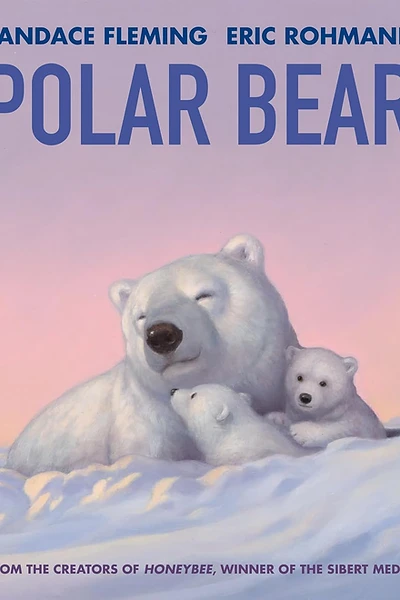
| Art & Graphics | Read: Notice how the illustrations work with the words to show the scale of the Arctic, the closeness of the cubs, and the beauty and danger of their habitat. Classroom Activity: Sketch one scene of the mother polar bear and cubs, then write a caption that adds new information not obvious in the drawing. |
| Interactives & Gamification | Read: Think about how readers could interact with the text by tracking seasonal changes, bear behaviors, and habitat challenges as they read Polar Bear. Classroom Activity: Make a simple 4-box reading game called “Follow the Cubs,” where students check off one detail from each season and then write 1 sentence about the hardest part of survival. |
Pace-Write It!
20-Minute Classroom Flow\nRead (5 min): Read aloud a key section from Polar Bear by Candace Fleming that shows both a peaceful Arctic moment and a survival challenge for the mother polar bear and her cubs. Pause at one page turn to let students predict what will happen next.\nNotice (5 min): Ask: Where did the story slow down? Where did it speed up? Chart student observations under two headings: “Slow to help us see” and “Fast to help us feel danger.” Notice descriptive words about the Arctic, the mother bear’s actions, and how the changing environment affects pacing.\nWrite (7 min): Students write a short realistic animal paragraph using this frame: “In the Arctic, the mother polar bear ________. Her cubs ________. The ice/wind/snow ________. At first, ________. Then, suddenly, ________.” Challenge students to make the first 2 sentences slow and descriptive and the last 2 sentences faster and more urgent.\nShare (3 min): Partners read their pieces aloud and tell where they heard the pacing change. Invite 1-2 students to share a sentence that slowed down the moment and a sentence that sped it up.\nExit ticket: Write one sentence answering: How did Candace Fleming use pacing in Polar Bear to help readers understand the polar bear family’s life?