 K-3
K-3P WEBER
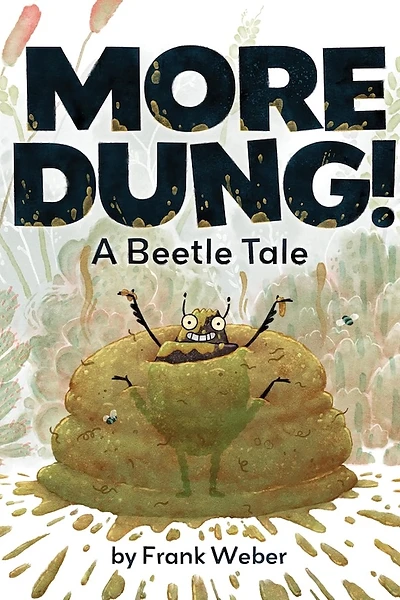
More Dung! A Beetle Tale
by Frank Weber
Pacing MaterialA humorous, fact-based picture book about the dung beetle — nature's unsung hero of recycling — told with wit and charm.
Big Idea
Even the least glamorous creatures play a vital role in nature — decomposers like dung beetles keep ecosystems healthy.
Discussion Questions
- 1.What does a dung beetle do, and why is it important?
- 2.How does the beetle's body help it do its job?
- 3.What would happen if there were no decomposers?
- 4.What other 'unpleasant' animals are actually helpful?
Classroom Activity
Dung Beetle Diary
Students create a 'dung beetle diary' — a short comic showing a day in the life of a dung beetle, including what it eats, where it lives, and why it matters.
Lesson Plan
Learning Goals
- Define the role of decomposers in an ecosystem.
- Describe how a dung beetle's body is adapted to its job.
- Explain why every creature matters, even the less glamorous ones.
- Create a sequential comic showing an animal's daily life.
Activity Steps
- 1.Read the book, noting the beetle's role in the ecosystem.
- 2.Discuss what decomposers do and why they're important.
- 3.Students create a 4-panel comic: morning, noon, afternoon, night.
- 4.Share comics and discuss what surprised them.
Standards Connections
- ELA: RL.K.1 — Ask and answer questions about key details
- ELA: RL.K.2 — Retell stories, including key details
- ELA: RL.K.3 — Describe characters, setting, and events
- ELA: RL.3.6 — Acknowledge differences in characters' points of view
- ELA: SL.K.1 — Participate in collaborative conversations about the text
- ELA: W.K.3 — Write narratives recounting events with descriptive details
- SEL: Responsible Decision-Making
- Art: VA:Re7 — Perceive and analyze artistic work
Pace-Write-Read Study with Pace-Write It!
Focus question: How does an author make a true science story feel lively, funny, and fast-moving? In More Dung! A Beetle Tale by Frank Weber, readers learn how a dung beetle helps ecosystems by cleaning up animal waste and recycling nutrients. The book uses quick page-by-page movement, humorous moments, and well-timed facts to keep the pacing brisk while teaching science.
| Element | How to notice or teach it in the novel |
|---|---|
| Pace | Read: Notice how More Dung! A Beetle Tale moves quickly from funny dung moments to clear science facts about the dung beetle’s job in the ecosystem. The short bursts of action and information keep the story moving. Classroom Activity: Write 3 short sentences that show a beetle finding dung, rolling it, and helping the land, using fast pacing. |
| Plot | Read: Notice the simple cause-and-effect plot: animals leave dung, the dung beetle finds it, moves it, and nature benefits. Frank Weber turns a science topic into a story with a beginning, middle, and end. Classroom Activity: Make a 4-box plot map showing the beetle’s problem, action, hard work, and ecosystem result. |
| Prosody | Read: Listen for places where the wording sounds playful and energetic when read aloud, especially during funny or exciting beetle moments. The rhythm of the sentences helps readers hear the action. Classroom Activity: Choose one page idea from the book and practice reading it aloud with an excited, dramatic voice, then write one sentence meant to be performed that way. |
| Word pause | Read: Notice where a reader naturally pauses after a surprising fact or a funny mention of dung. Those small pauses help important ideas land. Classroom Activity: Write 2 sentences about a dung beetle and mark with a slash where a reader should pause for effect. |
| Concept | Read: Notice that the big idea is recycling in nature: the dung beetle is an unsung hero that cleans up waste and helps ecosystems stay healthy. The science concept gives the story purpose. Classroom Activity: Write a sentence that explains the concept: 'The dung beetle is important because ____. ' |
| Voice & World View | Read: Notice the witty, admiring voice that treats the dung beetle as gross-but-great instead of silly or unimportant. Frank Weber’s world view celebrates even small creatures that do big jobs in nature. Classroom Activity: Write 3 sentences in a voice that sounds amazed and respectful about an often-overlooked animal. |
| Setting & Place | Read: Notice how the natural outdoor setting matters because dung, soil, plants, and animals all connect in one ecosystem. The beetle’s work only makes sense because of the place where animals live and leave waste. Classroom Activity: Write a setting description of a grassy habitat or savanna-like space where a dung beetle could work. |
| Point of View | Read: Notice how the book helps readers focus closely on the dung beetle’s actions and importance, even while explaining facts. The point of view keeps attention on the beetle as the star of the science story. Classroom Activity: Rewrite a beetle moment from the point of view of the dung beetle using 'I' statements. |
| Original Characters | Read: Notice that the dung beetle becomes a memorable main character because of its unusual job, hard work, and heroic role in nature. Even though the book is fact-based, the beetle feels like a standout character. Classroom Activity: Invent another 'unsung hero' animal character and write 3 traits that make it original. |
| Dialogue | Read: Notice whether imagined or playful storytelling moments seem like they could invite character talk, even in an informational picture book. Dialogue can make a science topic feel more alive. Classroom Activity: Write a short 2-line dialogue between a dung beetle and a larger animal about why dung matters. |
| Details | Read: Notice the specific facts about dung, beetle behavior, and ecosystem help that make the book informative and believable. Frank Weber uses details to teach while entertaining. Classroom Activity: Write 3 specific details a reader should know about how a dung beetle helps nature. |
| Descriptions | Read: Notice how descriptions of the beetle’s work help readers picture rolling, digging, burying, and recycling. These action-filled descriptions keep the pages active. Classroom Activity: Write a 4-sentence description of a dung beetle at work using strong action words. |
| Strong First Lines | Read: Notice how a humorous science book needs an opening that grabs attention right away, especially with a surprising topic like dung. A strong beginning makes readers curious instead of hesitant. Classroom Activity: Write an opening line for a nonfiction picture book about a gross-but-important animal. |
| Immediacy & Engagement | Read: Notice how the book makes readers feel close to the beetle’s work by showing what happens right now in the natural world. The lively tone helps facts feel immediate and engaging. Classroom Activity: Write 2 present-tense sentences that make a beetle scene feel like it is happening right now. |
| Story Scenes & Summaries & Unique Structures | Read: Notice how the book likely balances scene-like moments of beetle action with summary facts that explain the bigger science idea. This mix helps pacing stay both fun and informative. Classroom Activity: Write one scene sentence about a beetle rolling dung and one summary sentence about why that matters to the ecosystem. |
| Flashback & Flash Forward & Cliffhangers | Read: Notice that informational stories usually use these sparingly, but a writer can still hint at what will happen next or why the beetle’s work matters later. That creates forward pull. Classroom Activity: Write a cliffhanger page-turn sentence ending with what the beetle finds next: 'But then... ____.' |
| Tension & Suspense & Surprise | Read: Notice how surprise comes from turning something many people think is disgusting into something important and even heroic. The book builds interest by making readers wonder how dung can help an ecosystem. Classroom Activity: Write 3 sentences that begin with something surprising about dung beetles and end with a science fact. |
| Page Turns and Chapter Breaks | Read: Notice how picture books use page turns to reveal a joke, a new fact, or the result of the beetle’s hard work. In this book, a turn can move readers from giggles to understanding. Classroom Activity: Plan 2 facing pages: on page 1 set up a beetle action, and on page 2 reveal why it helps nature. |
| Performance | Read: Notice how this book would be fun to perform aloud with dramatic emphasis on gross, funny, and amazing parts. Performance adds energy to the science learning. Classroom Activity: Write and rehearse one read-aloud line about the dung beetle that uses a big, expressive voice. |
| Personality | Read: Notice how the beetle comes across as hardworking, determined, and surprisingly impressive. The personality helps young readers connect to a tiny insect. Classroom Activity: Write 3 personality traits for the dung beetle and support each with one action. |
| Humor | Read: Notice how Frank Weber uses humor about dung to invite laughter while also teaching real science. The funny topic makes the facts more memorable. Classroom Activity: Write a kid-friendly humorous sentence about a dung beetle that also includes one true fact. |
| Pause | Read: Notice where a reader might stop to let a gross joke, a surprising fact, or an important ecosystem idea sink in. Pauses slow the pace just enough for meaning. Classroom Activity: Write a short paragraph about the beetle and underline the spot where a reader should pause and think. |
| Poetry and Poetic Devices | Read: Notice any playful sound patterns, repeated words, or vivid images that make the factual language feel musical. Even science writing can sound poetic. Classroom Activity: Write a 2-line beetle poem using alliteration, such as repeated beginning sounds. |
| Repetition | Read: Notice how repeating a key word, idea, or action like rolling or recycling can make the dung beetle’s job stick in readers’ minds. Repetition also supports pacing in picture books. Classroom Activity: Write 3 sentences that repeat a key phrase such as 'The beetle works' to build emphasis. |
| Rhythm | Read: Notice the beat of short and long sentences as the book shifts between action and explanation. That rhythm helps the story feel smooth and lively. Classroom Activity: Write one short sentence, one longer sentence, and one short sentence about the beetle to create a strong rhythm. |
| Punctuation | Read: Notice how exclamation points, commas, and question marks can shape the humor and surprise in a book about dung beetles. Punctuation helps control speed and feeling. Classroom Activity: Write 3 sentences about the book’s topic, using an exclamation point in one, a question mark in one, and commas in one. |
| Questions | Read: Notice how a surprising topic naturally makes readers ask questions such as why dung matters or how beetles help. Questions keep curiosity alive. Classroom Activity: Write 3 science questions a reader might ask after hearing More Dung! A Beetle Tale. |
| Compare-Contrast | Read: Notice the contrast between what people may first think about dung as yucky and what the book teaches about it being useful in nature. That contrast creates interest and surprise. Classroom Activity: Write 2 compare-contrast sentences about 'what people think' and 'what the ecosystem knows' about dung beetles. |
| Objects | Read: Notice how important objects such as dung, soil, tunnels, and balls of waste help tell the beetle’s story. These objects are central to both action and science meaning. Classroom Activity: Choose one object from the beetle’s world and write 3 sentences about why it matters. |
| Threes | Read: Notice how writers often group ideas in threes to make them catchy, especially in picture books and read-alouds. A beetle’s work can be explained in three strong steps or benefits. Classroom Activity: Write a list of 3 jobs the dung beetle does for the ecosystem, then turn it into one sentence. |
| Whitespace & Negative Space | Read: Notice how picture books leave space on pages so readers can focus on one fact, one joke, or one beetle action at a time. Space can slow readers down and spotlight an important moment. Classroom Activity: Design a mock page with one short beetle sentence and a blank area showing where an illustration would help the pacing. |
| Art & Graphics | Read: Notice how illustrations in a humorous science picture book likely help readers understand the beetle’s size, movement, and ecosystem role. Art can deliver part of the joke and part of the fact. Classroom Activity: Sketch a dung beetle scene and add one caption explaining the science on the page. |
| Interactives & Gamification | Read: Notice how this topic invites playful learning, such as sorting facts, acting out beetle jobs, or matching action to ecosystem result. The humor makes science interaction easy. Classroom Activity: Create a 3-step 'Be the Beetle' mini game card with directions: find, roll, bury. |
Pace-Write It!
20-Minute Classroom Flow\nRead (5 min): Read selected pages from More Dung! A Beetle Tale by Frank Weber aloud. Ask students to listen for places where the book feels fast, funny, or surprising, and for facts that show how the dung beetle helps the ecosystem.\nNotice (5 min): Chart what students notice about pacing: short action moments, funny wording, repeated ideas, and page-turn surprises. Discuss how the author makes a true science topic feel like an exciting story.\nWrite (7 min): Students write a short nonfiction-style mini scene about an unsung hero animal using this frame: 'Here comes the ____. It ____. It ____. This helps ____. Wow!'. Encourage students to use one funny or surprising detail and one true fact.\nShare (3 min): Partners read their writing aloud with expression. Invite listeners to name one pacing move they heard, such as repetition, a pause, or a strong ending.\nExit ticket: Write one sentence answering: 'How does pacing help Frank Weber make the dung beetle interesting to readers?'