 K-3
K-3R APPELT
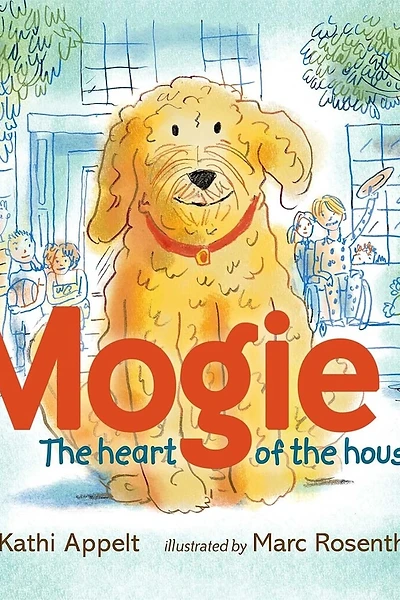
Mogie: The Heart of the House
by Kathi Appelt
Pacing MaterialThe true story of Mogie, a golden retriever who became the first resident therapy dog at a children's hospital, bringing comfort to kids when they need it most.
Big Idea
Sometimes the best medicine is a friend, and service comes in many forms — including four paws.
Discussion Questions
- 1.What does Mogie do at the hospital?
- 2.How does Mogie help the children?
- 3.What makes a good therapy dog?
- 4.How do animals help people heal?
- 5.What is one way you could help someone?
Classroom Activity
Heart of the House
Draw an animal or person who brings comfort to others. Write three things they do to help.
Lesson Plan
Learning Goals
- Students will identify the qualities that make a supportive and comforting companion.
- Students will be able to explain how Mogie serves others through the act of being a therapy dog.
- Students will express their understanding of compassion by creating a visual representation and descriptive sentences.
Activity Steps
- 1.Before Reading: Introduce the concept of a therapy dog and ask students to share stories of how pets make them feel better.
- 2.Read Aloud: Share the story of Mogie, pausing to notice the reactions of the children in the hospital as they interact with him.
- 3.Model Thinking: Use chart paper to brainstorm list of actions that show care and comfort, using examples from the book.
- 4.Guided Practice: Discuss as a class why Mogie is considered the heart of the house and how his presence changes the hospital environment.
- 5.Independent Response: Instruct students to draw an animal or person who brings comfort to others and write three sentences describing how that individual helps.
- 6.Closure: Invite students to share their drawings with a partner and summarize one way they can show kindness to others in the classroom.
Standards Connections
- ELA: RI.K.1 — Ask and answer questions about key details
- ELA: RI.K.2 — Identify main topic and retell key details
- ELA: RI.K.3 — Describe connection between events
- ELA: RI.3.6 — Acknowledge differences in characters' points of view
- ELA: SL.K.1 — Participate in collaborative conversations about the text
- ELA: W.K.3 — Write narratives recounting events with descriptive details
- SEL: Social Awareness
- SEL: Relationship Skills
Pace-Write-Read Study with Pace-Write It!
Focus question: How does an author slow down and speed up a true story to help readers feel comfort, care, and hope? In Mogie: The Heart of the House by Kathi Appelt, readers follow the real story of a gentle therapy dog who comforts children in a hospital. Appelt uses pacing by lingering on quiet, tender moments with kids and moving more quickly through background information so the caring scenes with Mogie feel especially powerful.
| Element | How to notice or teach it in the novel |
|---|---|
| Pace | Read: Notice how Kathi Appelt slows the story during Mogie’s comforting visits with children and speeds up parts that explain how he came to the hospital. This pacing helps readers pause during the most caring moments. Classroom Activity: Write 3-4 sentences about a comforting moment with an animal or helper, slowing down one important action by telling it step by step. |
| Plot | Read: Notice the sequence of Mogie’s true story: who he is, how he joins the children’s hospital, and how he helps children feel safer and calmer. The plot moves in a gentle way that matches the theme of service and compassion. Classroom Activity: Make a beginning-middle-end chart for Mogie’s story, then write one sentence for each part. |
| Prosody | Read: Listen to the smooth, soothing sound of the words when the book describes Mogie bringing comfort. The reading voice should sound calm and warm, matching the mood of the hospital visits. Classroom Activity: Practice reading one page aloud in a gentle voice, then write one sentence about why that voice fits Mogie. |
| Word pause | Read: Notice places where a reader naturally pauses on meaningful words such as Mogie, hospital, comfort, or children. These pauses help important ideas stand out. Classroom Activity: Choose one line about Mogie helping a child and mark slash pauses where you would stop while reading, then copy the line and add one sentence explaining your choices. |
| Concept | Read: Notice that the big idea is that service can look quiet and gentle, and compassion can come through simply being present. Mogie does not fix everything, but he helps children feel less alone. Classroom Activity: Write 2-3 sentences explaining what Mogie teaches about compassion using one example from the book. |
| Voice & World View | Read: Notice how the author’s voice feels respectful, tender, and hopeful as she tells a real story about children in a hospital. The world view of the book suggests that kindness matters deeply in hard places. Classroom Activity: Write a short reflection in a caring voice about why helpers like Mogie are important in a community. |
| Setting & Place | Read: Notice how the children’s hospital shapes the pacing and mood of the story. The hospital is not described as only scary; through Mogie’s presence, it also becomes a place of comfort and connection. Classroom Activity: Write 3 descriptive sentences about a place that can feel hard at first but becomes kinder because of one helpful person or animal. |
| Point of View | Read: Notice that the story is told from an outside narrator who can explain Mogie’s role and the feelings of the children he visits. This point of view helps readers understand the bigger impact of one therapy dog. Classroom Activity: Rewrite one hospital scene from the point of view of a child meeting Mogie for the first time. |
| Original Characters | Read: Notice how Mogie stands out as a real and memorable character because of his calm nature and special work as a therapy dog. Even though he is gentle, he is also extraordinary because he serves children in a powerful way. Classroom Activity: Write a character bubble map for Mogie with words and examples that show what makes him special. |
| Dialogue | Read: Notice any spoken words or imagined talk that help show comfort between Mogie and the children. Dialogue in a story like this can make a caring moment feel closer and more real. Classroom Activity: Write a 4-line dialogue between a child in the hospital and Mogie’s handler before the child pets Mogie. |
| Details | Read: Notice the small true details that help readers picture Mogie’s visits, such as actions, feelings, and the way people respond to him. These details make the story believable and heartfelt. Classroom Activity: Write 3 detail sentences describing what a child might see, hear, and feel when Mogie enters the room. |
| Descriptions | Read: Notice how descriptions of Mogie’s body, movement, and gentle presence help create a peaceful feeling. The author uses description to make comfort visible. Classroom Activity: Write a description of Mogie using at least three describing words and one action word. |
| Strong First Lines | Read: Notice how the opening invites readers into Mogie’s story and quickly sets a warm, curious tone. A strong beginning makes us want to learn how this dog became the heart of the house. Classroom Activity: Write your own strong first line for a true story about a helper animal. |
| Immediacy & Engagement | Read: Notice how the book helps readers feel close to the children and to Mogie’s visits, even though it is a true story told after the events happened. The careful pacing makes each visit feel important right now. Classroom Activity: Write 2-3 sentences that make a reader feel present in the room when Mogie arrives. |
| Story Scenes & Summaries & Unique Structures | Read: Notice how some parts of the book zoom into a specific moment with Mogie and a child, while other parts summarize his larger work in the hospital. This balance helps the story move smoothly. Classroom Activity: Write one scene sentence about a child touching Mogie’s fur and one summary sentence about how Mogie helped many children. |
| Flashback & Flash Forward & Cliffhangers | Read: Notice whether the author looks back to explain Mogie’s life or moves forward to show his growing impact. In a true story like this, these shifts can help readers understand how one dog’s work became meaningful over time. Classroom Activity: Write a flashback sentence about before Mogie worked at the hospital and a flash-forward sentence about how children might remember him later. |
| Tension & Suspense & Surprise | Read: Notice the gentle tension in a hospital story, where children may feel worried, lonely, or uncomfortable before Mogie arrives. The emotional change when comfort comes can feel like a quiet surprise. Classroom Activity: Write 3 sentences that show a child feeling nervous, then calmer, after meeting Mogie. |
| Page Turns and Chapter Breaks | Read: Notice where a page turn might make you wonder what Mogie will do next or who he will comfort next. Even without long chapters, breaks in the story can hold attention and support pacing. Classroom Activity: Create two short page ideas for a class booklet about a therapy dog, ending page one with a sentence that makes readers want to turn the page. |
| Performance | Read: Notice how this book is well suited for a soft, expressive read-aloud, with pauses and tone changes that match Mogie’s calm service. Performance helps the compassion in the story come alive. Classroom Activity: Rehearse and perform 2-3 lines from the book or a class-created passage using a voice that sounds gentle and reassuring. |
| Personality | Read: Notice how Mogie’s personality feels steady, loving, and patient, and how that personality shapes the mood of the whole story. His calmness is part of why children trust him. Classroom Activity: Write 3 sentences explaining Mogie’s personality and how it helps someone else. |
| Humor | Read: Notice that the book’s main tone is tender rather than silly, but small light moments can still bring relief in a serious place like a hospital. Gentle humor can help balance heavy feelings. Classroom Activity: Write one light, respectful moment that could happen if Mogie did something cute during a visit. |
| Pause | Read: Notice where the story invites readers to pause and feel instead of rushing ahead. Quiet pauses fit a book about comfort, healing, and being present with others. Classroom Activity: After reading a meaningful page, write one sentence that begins, “I paused when…” and tell why that moment mattered. |
| Poetry and Poetic Devices | Read: Notice the lyrical, heartfelt language Kathi Appelt uses to tell Mogie’s true story. Repeated sounds, careful word choice, and gentle imagery can make the prose feel almost poetic. Classroom Activity: Write a 3-line poem about Mogie using one simile, such as “soft as…” or “calm like….” |
| Repetition | Read: Notice whether important ideas or words repeat, such as Mogie bringing comfort again and again to different children. Repetition helps show that compassion is not a one-time act but a steady practice. Classroom Activity: Write 3 sentences that repeat a starter like “Mogie helped…” to show his ongoing service. |
| Rhythm | Read: Notice the slow, even rhythm of the language in comforting scenes. The rhythm matches Mogie’s peaceful presence and helps readers feel settled. Classroom Activity: Write two short sentences and one longer sentence about Mogie to create a calm rhythm. |
| Punctuation | Read: Notice how punctuation helps control pacing, especially commas and periods that slow the reading and let feelings sink in. The punctuation supports a gentle, reflective tone. Classroom Activity: Write 3 sentences about Mogie visiting a child, using commas to slow the action. |
| Questions | Read: Notice the questions readers may ask while listening: How can a dog help in a hospital? Why does Mogie matter so much? These questions keep readers engaged in the true story. Classroom Activity: Write two questions you would ask Mogie’s handler and one answer you think the handler might give. |
| Compare-Contrast | Read: Notice the contrast between how a hospital can feel before Mogie enters and how it can feel after his visit. This change helps highlight the theme of compassion. Classroom Activity: Write a before-and-after comparison using the frame “Before Mogie…, but after Mogie….” |
| Objects | Read: Notice meaningful objects that might connect to Mogie’s work, such as a bed, blanket, leash, badge, or hospital room door. Objects can anchor the story in real life and slow readers down to notice care. Classroom Activity: Choose one object from Mogie’s world and write 2 sentences about how it connects to his service. |
| Threes | Read: Notice how ideas can be grouped in threes to make them memorable, such as three ways Mogie helps: he calms, comforts, and connects. Groups of three create a satisfying rhythm. Classroom Activity: Write a sentence naming three things Mogie gives children during a visit. |
| Whitespace & Negative Space | Read: Notice how space on the page can give readers time to think and breathe, especially in a story with tender emotions. Extra space can make one line about Mogie feel even more powerful. Classroom Activity: Write a short 4-line piece about Mogie, leaving one line all by itself for the most important idea. |
| Art & Graphics | Read: Notice how the illustrations and visual layout support the pacing by helping readers linger on Mogie’s gentle presence and the children’s expressions. Pictures add emotional detail that words alone may not show. Classroom Activity: Draw a simple scene of Mogie comforting a child, then add one caption sentence that matches the mood. |
| Interactives & Gamification | Read: Notice how readers can interact with this true story by tracking the moments when Mogie changes a feeling from fear or sadness to calm or hope. Turning reading into noticing makes pacing visible. Classroom Activity: Make a feeling tracker with two columns labeled “Before Mogie” and “After Mogie,” then write one example in each column from the story. |
Pace-Write It!
20-Minute Classroom Flow\nRead (5 min): Read aloud a section from Mogie: The Heart of the House by Kathi Appelt that shows Mogie entering the hospital and comforting a child. Tell students to listen for places where the story slows down so they can feel the moment.\nNotice (5 min): Ask: Where did the author stretch out the action? What details made Mogie’s visit feel calm and important? Chart student noticings such as gentle descriptions, feeling words, pauses, and before-and-after changes in the child.\nWrite (7 min): Students write a short true-to-life scene about a helper bringing comfort. Writing frame: “At first, _____ felt _____. Then _____ came in. Slowly, _____. Soon, _____ felt _____ because _____.” Encourage students to slow down one action with details.\nShare (3 min): Partners read their scenes aloud in soft, expressive voices and point to one sentence where they slowed the pacing. Invite 1-2 students to share with the class.\nExit ticket: Write one sentence answering: How did Kathi Appelt slow down Mogie’s story to help readers feel compassion?
Pace-Write-Read Connection
Teach this book using the Pace-Write-Read method — Tool 6: Voice and Worldview.
Open the Mastery Manual