 PreK-2
P BLACKALL
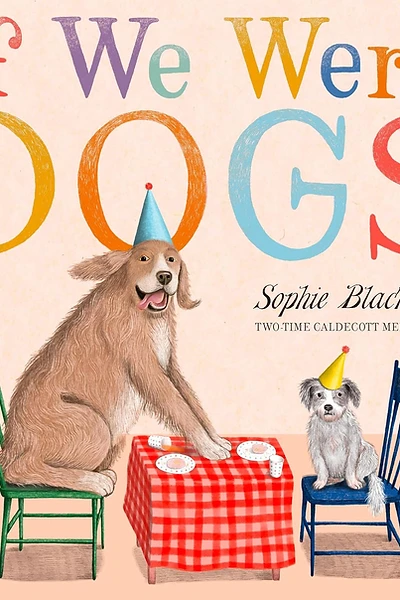
If We Were Dogs
by Sophie Blackall
Pacing MaterialTwo dogs celebrate their friendship at a festive table, imagining all the wonderful things they would do together if they were dogs — a joyful celebration of companionship, imagination, and love.
Big Idea
The best friendships are full of imagination, celebration, and joy.
Discussion Questions
- 1.What would you do if you were a dog?
- 2.How do the two dogs celebrate their friendship?
- 3.What makes a good friend?
- 4.How do the illustrations show the dogs' feelings for each other?
- 5.If you could be any animal, what would you be and why?
Classroom Activity
If We Were Friends
Students create party invitation cards for a friend, imagining a celebration they would have together — inspired by the dogs' festive gathering.
Lesson Plan
Learning Goals
- Use imagination to explore perspective and point of view
- Express what friendship means through writing and drawing
- Practice writing invitations with purpose and audience
- Celebrate the joy of companionship
Activity Steps
- 1.Read the book and discuss how the dogs celebrate together.
- 2.Brainstorm what students would do at a friendship party.
- 3.Have students create invitation cards for a classmate or friend.
- 4.Include a drawing of what they would do together.
- 5.Exchange invitations and celebrate friendship.
Standards Connections
- ELA: RL.K.1 — Ask and answer questions about key details
- ELA: RL.K.2 — Retell stories, including key details
- ELA: RL.K.3 — Describe characters, setting, and events
- ELA: RL.2.6 — Acknowledge differences in characters' points of view
- ELA: SL.K.1 — Participate in collaborative conversations about the text
- ELA: W.K.3 — Write narratives recounting events with descriptive details
- SEL: Relationship Skills
- SEL: Social Awareness
- Art: VA:Re7 — Perceive and analyze artistic work
Pace-Write-Read Study with Pace-Write It!
Focus question: How does an author slow down and speed up a story to show joy, friendship, and imagination? In If We Were Dogs by Sophie Blackall, two dog friends share a festive moment and imagine all the happy things they would do together. The book uses gentle pacing, playful repetition, and expressive illustrations to help readers linger on love, companionship, and make-believe.
| Element | How to notice or teach it in the novel |
|---|---|
| Pace | Read: Notice how If We Were Dogs moves at a calm, playful pace as the two dog friends imagine one delightful idea after another together. The story does not rush; it lingers on friendship and joy so readers can savor each moment. Classroom Activity: Write 3 short pages that begin with "If we were..." and make the first page slow and cozy, the second bouncy and active, and the third calm again. |
| Plot | Read: Notice that the plot is simple: two dogs celebrate being together and build an imaginative list of what they would do if they were dogs. The action grows through shared possibilities instead of a big problem to solve. Classroom Activity: Write a beginning, middle, and end for two friends who imagine doing special things together. |
| Prosody | Read: Listen for how the sentences in If We Were Dogs sound soft, warm, and playful when read aloud. The phrasing helps the friendship feel musical and loving. Classroom Activity: Choose one sentence you wrote and practice reading it in a joyful voice, then revise it to sound even smoother aloud. |
| Word pause | Read: Notice places where a reader may naturally pause to look at the dogs, the table, or the little details in the art before reading on. Those pauses help the love and celebration sink in. Classroom Activity: Write one sentence about two friends and add slash marks / where a reader should pause for effect. |
| Concept | Read: The big concept in If We Were Dogs is companionship—being together makes ordinary and imaginary moments feel special. The book also explores pretending as a way to show affection. Classroom Activity: Write one idea sentence that tells what your own friendship story is really about, such as kindness, play, or belonging. |
| Voice & World View | Read: Notice the warm, tender, childlike voice that sees friendship as something joyful, safe, and full of wonder. The world view of the book suggests that love can be shown through shared imagining. Classroom Activity: Write 2 sentences in a gentle, caring voice about a friend or family member doing something fun with you. |
| Setting & Place | Read: Look closely at the festive table and the intimate space around the two dogs. The setting feels cozy and celebratory, which slows the pacing and keeps attention on their bond. Classroom Activity: Draw and label a place where two characters feel happy together, then write 2 setting sentences about it. |
| Point of View | Read: Notice how the story invites readers into the shared imaginative world of the two dogs, almost as if we are sitting with them at the table. This close point of view makes the companionship feel immediate. Classroom Activity: Rewrite a simple friendship sentence from the point of view of "we," such as "We sat together" or "We imagined together." |
| Original Characters | Read: The two dog friends feel memorable because they are affectionate, playful, and expressive without needing a complicated backstory. Their warmth is what makes them original. Classroom Activity: Invent two animal friends and give each one one special trait, such as silly, shy, gentle, or brave. |
| Dialogue | Read: Notice how imagined talk between close companions can make a story feel lively and intimate, even when the mood stays gentle. In this book, the dogs’ connection feels like a conversation of shared delight. Classroom Activity: Write 2 lines of dialogue between two friends imagining what they would do together. |
| Details | Read: Look for small visual and language details in If We Were Dogs that show celebration, affection, and togetherness. Tiny details help slow readers down and deepen the feeling of the scene. Classroom Activity: Make a list of 5 small details you could add to a friendship scene, then use 2 in your writing. |
| Descriptions | Read: Notice how descriptions of the dogs, their expressions, and the festive scene create a soft, loving mood. The description supports the theme of companionship instead of hurrying the action. Classroom Activity: Write 3 describing words for a joyful scene and use them in one sentence about two friends. |
| Strong First Lines | Read: Think about how a strong opening in a book like If We Were Dogs quickly invites readers into a playful, affectionate idea. A good first line sets the tone for imagination and closeness right away. Classroom Activity: Write 3 different first lines for a story about friends pretending together, and star the strongest one. |
| Immediacy & Engagement | Read: The book feels engaging because readers are drawn right into the dogs’ shared moment and their imaginative game. The direct, simple idea makes young readers want to join in. Classroom Activity: Write an opening sentence that makes readers feel they are right there with the characters, such as "Come sit with us..." or "Right now, we are..." |
| Story Scenes & Summaries & Unique Structures | Read: Notice that If We Were Dogs is built more like a chain of imagined moments than a problem-solution story. Each small scene adds to the whole celebration of love and friendship. Classroom Activity: Plan a story as 4 little scenes of two friends together instead of one long event. |
| Flashback & Flash Forward & Cliffhangers | Read: This book stays mostly in the present imaginative moment, which keeps the pacing gentle and focused. Even without flashbacks or cliffhangers, the next idea still pulls readers forward. Classroom Activity: Write one sentence that flashes forward to what two friends will do next, beginning with "Tomorrow we will..." |
| Tension & Suspense & Surprise | Read: The book does not rely on scary suspense; instead, the surprise comes from the delight of each new imagined possibility. That light kind of anticipation fits the loving tone. Classroom Activity: Write a sentence that adds a happy surprise to a friendship scene, such as a treat, game, or unexpected guest. |
| Page Turns and Chapter Breaks | Read: In a picture book like If We Were Dogs, page turns help pace the imagination by revealing each new image or idea bit by bit. The turn gives readers a tiny pause and then a fresh burst of joy. Classroom Activity: Fold a paper into 4 pages and plan what new idea will be revealed on each page turn. |
| Performance | Read: This book invites expressive reading with warm faces, playful gestures, and a celebratory tone. The performer can make the dogs’ friendship feel even more alive. Classroom Activity: Practice reading one line from your writing with a happy voice and one hand motion to match the meaning. |
| Personality | Read: Notice how the dogs’ personalities come through in their togetherness, expressions, and playful imagination. Their charm helps the pacing feel alive even when the story is quiet. Classroom Activity: Write one sentence showing each of your two characters’ personalities without saying "nice" or "fun." |
| Humor | Read: The humor in If We Were Dogs is gentle and affectionate, growing out of the dogs’ imagined actions and loving closeness. This kind of humor keeps the story light and inviting. Classroom Activity: Add one silly but sweet idea to your friendship story that would make classmates smile. |
| Pause | Read: Notice how the story and illustrations create natural moments to stop, look, and feel. Those pauses help readers appreciate the bond between the two dogs. Classroom Activity: Choose one sentence from your draft and add a pause with an ellipsis or line break to make the moment feel softer. |
| Poetry and Poetic Devices | Read: The language and repeated imagining in If We Were Dogs can feel poetic because they create a pattern of feeling and sound. The book uses simplicity and image-making to build emotion. Classroom Activity: Write a 3-line poem beginning with "If we were..." and include one strong image. |
| Repetition | Read: Notice how repeated wording and repeated ideas about what the dogs might do together create comfort, rhythm, and unity. Repetition helps the theme of companionship grow stronger. Classroom Activity: Write 3 sentences that repeat the same beginning words, such as "We would..." or "If we were..." |
| Rhythm | Read: The rhythm of the book feels gentle and balanced, like a loving back-and-forth between companions. This rhythm helps pacing stay steady and warm. Classroom Activity: Clap the beats in one sentence you wrote, then change a word so the sentence sounds smoother. |
| Punctuation | Read: Look for how punctuation can keep the tone calm, playful, or excited in a story like If We Were Dogs. Periods, commas, and exclamation marks all change pacing and feeling. Classroom Activity: Write one friendship sentence three ways—with a period, a question mark, and an exclamation mark—and read how the feeling changes. |
| Questions | Read: The title If We Were Dogs itself opens an imaginative question that invites readers to wonder along with the characters. Questions help start playful thinking. Classroom Activity: Write 2 "what if" questions that could begin a story about two friends imagining together. |
| Compare-Contrast | Read: Notice the playful compare-contrast between who the friends are and who they imagine they could be as dogs. That contrast creates energy without losing the warm tone. Classroom Activity: Make a T-chart comparing "real life" and "pretend life" for two characters, then write one sentence using both sides. |
| Objects | Read: Pay attention to meaningful objects like the festive table items and other visual details that help tell the story of celebration and companionship. Objects can slow pacing because readers stop to notice them. Classroom Activity: Choose one object for your story—a bowl, ribbon, hat, or toy—and write how it shows friendship. |
| Threes | Read: Stories often feel satisfying in sets of three, and the imagined actions in a book like If We Were Dogs can be grouped to make pacing feel complete. Three examples can build a strong pattern. Classroom Activity: Write 3 things two friends would do together and place them in an order that grows more exciting. |
| Whitespace & Negative Space | Read: Notice how space on the page and in the illustrations can make the moment feel calm, focused, and tender. Open space gives readers time to breathe and feel the dogs’ connection. Classroom Activity: On a page, write just one strong sentence and leave lots of blank space around it to match a quiet, loving moment. |
| Art & Graphics | Read: Sophie Blackall’s illustrations are essential to the pacing because the art carries expression, humor, and emotional detail alongside the words. Readers often slow down to study the dogs and the festive scene. Classroom Activity: Sketch one scene from your own friendship story and add labels showing what the picture tells that the words do not. |
| Interactives & Gamification | Read: This book naturally invites playful participation because children can imagine their own "if we were" ideas after reading. The imaginative structure feels like a game of possibilities. Classroom Activity: Play a quick class round of "If we were..." and have each student add one new idea before writing their favorite one as a sentence. |
Pace-Write It!
20-Minute Classroom Flow\nRead (5 min): Read If We Were Dogs aloud. Pause to show the illustrations of the two dog friends at the festive table and ask students to listen for repeated imagining words and notice how the story feels calm, loving, and playful.\nNotice (5 min): Invite students to name what they notice about pacing: repetition, short sentences, page turns, cozy details, and the way each new imagined idea adds to the friendship. Create a quick chart with these headings: "Words that repeat," "Details we linger on," and "How the pictures slow us down."\nWrite (7 min): Students write their own tiny friendship piece modeled on the book. Writing frame: "If we were ______, we would ______. We would ______ together. We would ______, and it would feel ______." Encourage students to add one object, one feeling word, and one repeated phrase.\nShare (3 min): Students read their piece to a partner using a warm, expressive voice. Invite 2-3 volunteers to share with the class and name one pacing move they used, such as repetition, a pause, or a cozy detail.\nExit ticket: On a sticky note, complete this sentence: "I slowed my story down by ______."