
 K-2
K-2E CAN READ-FOX
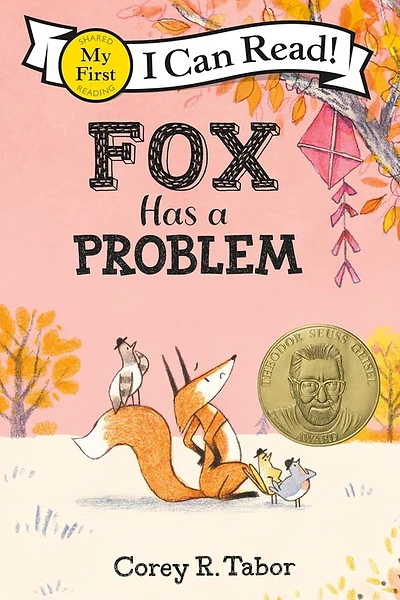
Fox Has a Problem
by Corey R. Tabor
Pacing MaterialFox has a kite stuck in a tree, and nothing goes as planned in this hilarious Geisel Award-winning easy reader about creative problem-solving.
Big Idea
Every problem has a solution if you stay calm and think creatively.
Discussion Questions
- 1.How does Fox try to solve his problem?
- 2.What would you do if you were Fox?
- 3.How do the illustrations help tell the story?
- 4.What's a problem you've had to solve?
Classroom Activity
Problem-Solving Stories
Write about a time you had a problem and how you solved it, then illustrate the solution.
Lesson Plan
Learning Goals
- Practice problem-solving strategies
- Build reading confidence with sight words
- Explore story structure through sequential events
Standards Connections
- ELA: RL.K.1 — Ask and answer questions about key details
- ELA: RL.K.2 — Retell stories, including key details
- ELA: RL.K.3 — Describe characters, setting, and events
- ELA: RL.2.6 — Acknowledge differences in characters' points of view
- ELA: SL.K.1 — Participate in collaborative conversations about the text
- ELA: W.K.3 — Write narratives recounting events with descriptive details
- SEL: Social Awareness
- SEL: Relationship Skills
- Art: VA:Re7 — Perceive and analyze artistic work
Pace-Write-Read Study with Pace-Write It!
Focus question: How does an author slow down and speed up a funny problem story so readers want to keep turning the page? In "Fox Has a Problem" by Corey R. Tabor, Fox is trying to get his kite out of a tree, but each new plan creates an even bigger problem. The book uses pacing through short sentences, page turns, repetition, and surprise so young readers can feel Fox’s persistence and enjoy the humor.
| Element | How to notice or teach it in the novel |
|---|---|
| Pace | Read: Notice how Corey R. Tabor keeps the story moving with short, simple sentences as Fox tries one idea after another to get his kite from the tree. The quick pace matches Fox’s urgency, but it also slows at key moments so the humor can land. Classroom Activity: Write 4 short action sentences about a character trying to solve one problem, making each sentence show a new attempt. |
| Plot | Read: Notice the clear plot in this book: Fox has a kite stuck in a tree, makes a plan, faces trouble, and keeps going when nothing works smoothly. Each problem leads to a bigger one, which helps readers follow the story easily. Classroom Activity: Draw and label a beginning, middle, and end for a new story about a character with a stuck object and three attempts to solve the problem. |
| Prosody | Read: Listen to how the words sound when Fox’s plans go wrong; the phrasing invites readers to read with expression, surprise, and comic timing. Fox’s problem-solving feels funnier when readers change their voice to match his confidence and frustration. Classroom Activity: Practice reading one page like Fox is calm, then read it again like Fox is worried, and write one sentence about which version sounds funnier. |
| Word pause | Read: Notice where a reader naturally pauses to take in what Fox says, thinks, or does before the next problem appears. These little pauses help the jokes work and give readers time to predict what might happen next. Classroom Activity: Write 3 short sentences about a character making a plan, and put a slash mark where a reader should pause for effect. |
| Concept | Read: The big idea in this story is that problems do not always get solved right away, and persistence means trying again even when plans fail. Fox’s kite problem becomes a playful lesson in creative problem-solving. Classroom Activity: Write a sentence that names a problem, then write two sentences that show two different ways a character could try to solve it. |
| Voice & World View | Read: Notice the playful voice of the story and the way the world seems just a little silly as Fox’s simple kite problem grows into a bigger mess. The story treats mistakes as funny and worth exploring, which supports the theme of persistence. Classroom Activity: Write 3 sentences in a cheerful, playful voice about a character whose simple plan goes wrong. |
| Setting & Place | Read: Pay attention to how the tree and outdoor setting create the whole problem in "Fox Has a Problem." The place is simple, but it matters because Fox’s kite is stuck high above him where he cannot easily reach it. Classroom Activity: Write 2-3 sentences describing one outdoor place where a problem could happen, and tell why that place makes the problem harder. |
| Point of View | Read: Notice that readers stay close to Fox and follow his problem from his side, which makes his feelings and attempts easy to understand. Seeing the trouble through Fox’s experience helps the pacing feel immediate. Classroom Activity: Write 3 sentences about a problem from the point of view of one character, using words that show what that character sees and feels. |
| Original Characters | Read: Fox is memorable because he is determined, confident, and funny even when his plans fail. His personality makes a simple stuck-kite story feel fresh and entertaining for young readers. Classroom Activity: Invent an animal character with one strong trait, like bold or impatient, and write 3 sentences showing that trait during a problem. |
| Dialogue | Read: Notice how dialogue helps reveal Fox’s reactions and moves the problem forward without long explanations. What Fox says adds humor and lets readers hear his confidence, frustration, or surprise. Classroom Activity: Write a 4-line dialogue between a character and a friend about a problem that is getting worse. |
| Details | Read: Pay attention to the small story details that show each step of Fox’s attempts to get the kite back. These details help readers picture the action and understand how one choice leads to another. Classroom Activity: Write 3 detail sentences about one attempt to fix a problem, telling exactly what the character does. |
| Descriptions | Read: Notice that the descriptions are not long, but they are just enough to help readers see Fox, the kite, and the tree clearly. The simple descriptions fit the easy-reader style and keep the pacing brisk. Classroom Activity: Describe a stuck object in 2 sentences so a reader can picture where it is and why it is hard to get. |
| Strong First Lines | Read: Look at how the beginning quickly introduces Fox and his problem so readers know right away what matters. A strong opening starts the action fast and makes children want to read on. Classroom Activity: Write an opening line for a story that introduces a character and a problem in one sentence. |
| Immediacy & Engagement | Read: Notice how the story feels immediate because Fox’s problem is clear right away and each page gives readers something new to wonder about. Young readers stay engaged because they want to see whether Fox’s next plan will finally work. Classroom Activity: Write 3 short sentences that make a problem feel urgent, using words like now, oh no, or stuck. |
| Story Scenes & Summaries & Unique Structures | Read: Notice that the book mostly unfolds in short scenes showing Fox’s attempts instead of long summaries. This scene-by-scene structure helps readers experience each problem and laugh at each new turn. Classroom Activity: Plan a mini story with 3 boxes, and in each box write one scene showing a new attempt to solve a problem. |
| Flashback & Flash Forward & Cliffhangers | Read: This story does not rely on flashbacks or flash-forwards, but it does use moments that feel like little cliffhangers when readers wait to see what Fox will try next. The pause before the next page turn builds curiosity. Classroom Activity: Write 2 sentences ending with a cliffhanger, such as 'Fox had one more idea. But then...'. |
| Tension & Suspense & Surprise | Read: Notice how tension builds because Fox’s simple problem does not get fixed quickly, and each attempt can lead to an unexpected surprise. The suspense stays light and funny, which is perfect for K-2 readers. Classroom Activity: Write 3 sentences that build surprise in a funny way: problem, plan, unexpected result. |
| Page Turns and Chapter Breaks | Read: Pay attention to how page turns help reveal what happens after Fox makes a plan or takes an action. Even without chapters, the page turns create tiny moments of suspense and comic payoff. Classroom Activity: Fold a paper into 4 pages and write one sentence per page so the last page reveals the funny result of a character’s plan. |
| Performance | Read: Notice how this book invites performance through expressive reading, gestures, and facial expressions when Fox’s ideas go wrong. Acting out Fox’s persistence helps students feel the pacing and humor. Classroom Activity: Choose one moment from the story and write a line a reader could perform with a big voice and a matching action. |
| Personality | Read: Fox’s personality shapes the pacing because he keeps acting, trying, and reacting instead of giving up. His determined and funny way of facing trouble is what makes the story lively. Classroom Activity: Write 3 sentences showing a character’s personality through actions during a problem, without saying the trait word. |
| Humor | Read: Notice how humor grows from Fox’s problem getting bigger instead of smaller and from the gap between what he expects and what happens. The funny pacing comes from repeated trying and surprising results. Classroom Activity: Write a funny problem sentence and then a second sentence showing a result that is even sillier than the plan. |
| Pause | Read: Notice the moments when readers need to pause after a surprising action or result to enjoy the joke. These pauses are part of the pacing and help the story feel playful instead of rushed. Classroom Activity: Write 2 sentences and add ellipses or a line break to show where the reader should pause for humor. |
| Poetry and Poetic Devices | Read: Even though this is not a poem, the book uses sound, repetition, and simple language that can feel rhythmic when read aloud. Those poetic touches help the story stay lively and easy to follow. Classroom Activity: Write a 3-line chant for a character solving a problem, repeating one key word in each line. |
| Repetition | Read: Notice how repeated problem-solving patterns help readers predict the shape of the story as Fox keeps trying again. Repetition supports early readers and strengthens the theme of persistence. Classroom Activity: Write a pattern of 3 sentences that all begin with 'Fox tried to...' or 'My character tried to...'. |
| Rhythm | Read: Listen to the rhythm of the short sentences and the quick movement from plan to problem in "Fox Has a Problem." This steady rhythm helps young readers keep up and enjoy the funny momentum. Classroom Activity: Write 4 very short sentences about a problem so they sound quick and snappy when read aloud. |
| Punctuation | Read: Notice how punctuation helps show Fox’s feelings, especially surprise, frustration, or excitement during his attempts. Marks like periods, question marks, and exclamation points help control pacing and expression. Classroom Activity: Write the same sentence 3 times with different ending punctuation and tell how the feeling changes each time. |
| Questions | Read: Think about the questions readers ask while reading, such as whether Fox will get the kite down or what he will try next. These questions keep the pages turning. Classroom Activity: Write 3 reader questions that could fit a story about a character trying to solve one hard problem. |
| Compare-Contrast | Read: Compare Fox’s plans with their results to see how humor and pacing work together. Fox expects one thing, but the story often gives readers something very different. Classroom Activity: Make a T-chart with 'Fox’s plan' and 'What happened,' then write your own 2-row chart for a new character’s problem story. |
| Objects | Read: Notice how the kite is the important object that starts the whole story, and the tree becomes the obstacle standing in Fox’s way. The book shows how one simple object can drive an entire plot. Classroom Activity: Choose one object, like a ball, hat, or backpack, and write 3 sentences showing how it creates a problem in a story. |
| Threes | Read: Notice how stories for young readers often feel satisfying when characters try several times, and Fox’s repeated attempts build that pattern. A set of three tries can help pacing feel complete and funny. Classroom Activity: Write a story plan with 3 attempts to solve one problem, making the third attempt the funniest or smartest. |
| Whitespace & Negative Space | Read: Pay attention to how the open space on the pages helps readers focus on Fox, the kite, and the action. This simple page design supports pacing by not overwhelming early readers with too much text. Classroom Activity: Create a one-page story draft with only 3 short sentences and space between them so each sentence stands out. |
| Art & Graphics | Read: Notice how the illustrations help tell the joke, show Fox’s emotions, and make each failed attempt easier to understand. In this easy reader, the art works with the words to pace the story and deliver surprise. Classroom Activity: Draw one picture of a character’s problem and write 2 matching sentences that the picture helps explain. |
| Interactives & Gamification | Read: This book invites readers to predict, act out, and guess what Fox will do next, almost like a game of problem-solving. That playful participation helps students think like writers and readers at the same time. Classroom Activity: Write a 'What should Fox try next?' question with 3 possible choices, then write one sentence telling which choice would be funniest and why. |
Pace-Write It!
20-Minute Classroom Flow\nRead (5 min): Read aloud a key section of "Fox Has a Problem" by Corey R. Tabor. Pause at a few page turns and ask students to quietly predict what Fox will try next to get the kite out of the tree.\nNotice (5 min): Guide students to notice how the author uses short sentences, repetition, page turns, and funny surprises to pace Fox’s problem-solving. Ask: How does the story keep moving? When does it slow down so the joke can land?\nWrite (7 min): Students write their own mini problem-solving story about a character who wants to get something back or fix something. Writing frame: '___ has a problem. ___ is stuck/in trouble because ___. First, ___ tried ___. But ___. Next, ___ tried ___. But ___. Finally, ___ ___.'' Encourage students to use short sentences and one funny surprise.\nShare (3 min): Partners read their stories aloud with expression. Invite them to pause before the funny result so listeners can hear the pacing.\nExit ticket: Write one sentence answering: 'How did I use pacing in my story?'