 K-2
K-2P DOHERTY
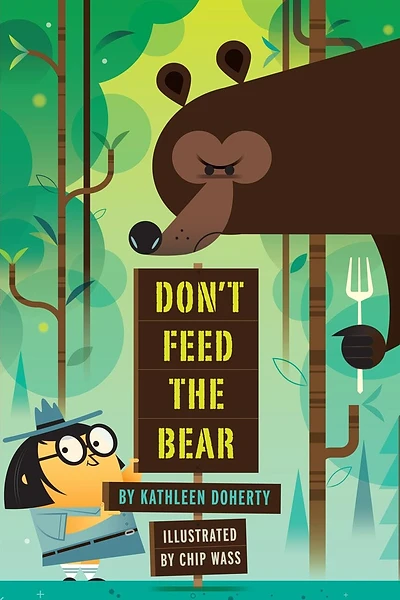
Don't Feed the Bear
by Kathleen Doherty, illustrated by Chip Wass
Pacing MaterialA park ranger posts a 'Don't Feed the Bear' sign, but the bear has other plans — a funny tale about rules, consequences, and who really runs the park.
Big Idea
Rules exist for a reason — but sometimes the reason is funnier than you'd expect, and following them helps everyone.
Discussion Questions
- 1.Why shouldn't you feed the bear?
- 2.What happens when rules are broken?
- 3.Are there rules you disagree with? Why?
- 4.What rules would you make for a park?
Classroom Activity
Park Rules Poster
Students create a 'park rules' poster for a natural area, balancing safety with fun.
Lesson Plan
Learning Goals
- Explain why rules exist in communities.
- Identify cause and effect when rules are broken.
- Design a poster communicating clear rules.
- Balance safety with enjoyment in rule-making.
Activity Steps
- 1.Read the book, noting the funny conflict between the ranger and the bear.
- 2.Discuss why parks have rules and who they protect.
- 3.Students design a poster with 3-5 park rules.
- 4.Share posters and discuss which rules are most important.
Standards Connections
- ELA: RL.K.1 — Ask and answer questions about key details
- ELA: RL.K.2 — Retell stories, including key details
- ELA: RL.K.3 — Describe characters, setting, and events
- ELA: RL.2.6 — Acknowledge differences in characters' points of view
- ELA: SL.K.1 — Participate in collaborative conversations about the text
- ELA: W.K.3 — Write narratives recounting events with descriptive details
- SEL: Social Awareness
- SEL: Relationship Skills
- Art: VA:Re7 — Perceive and analyze artistic work
Pace-Write-Read Study with Pace-Write It!
Focus question: How does an author make a funny story speed up, slow down, and surprise readers? In Don't Feed the Bear by Kathleen Doherty, illustrated by Chip Wass, a park ranger tries to enforce an important rule, but the hungry bear keeps causing bigger and bigger problems. The pacing moves quickly through repeated rule-breaking, lively page turns, and humorous consequences that build suspense and keep young readers eager to see what the bear will do next.
| Element | How to notice or teach it in the novel |
|---|---|
| Pace | Read: Notice how the story moves fast as the bear keeps getting food and the trouble grows from small to big. Kathleen Doherty uses short, lively moments to make the rule-and-consequence pattern feel exciting and funny. Classroom Activity: Write 3 quick actions for a character who breaks a rule, making each action cause a bigger problem. |
| Plot | Read: Notice the clear plot: the ranger posts the sign, visitors feed the bear, the bear expects more, and the consequences spread through the park. The events build in order so readers can follow how one broken rule leads to another. Classroom Activity: Make a 4-box plot map showing rule, rule broken, problem grows, and ending. |
| Prosody | Read: Listen to how the story sounds when read aloud, especially the playful warning in the sign and the energetic action with the bear and park visitors. The rhythm of the sentences helps the humor land. Classroom Activity: Read one page aloud with expression, then write one warning sentence and one silly action sentence to sound dramatic and funny. |
| Word pause | Read: Notice where your voice naturally pauses after the warning and before the next funny consequence. Those little stops give readers time to predict what the bear might do. Classroom Activity: Write 2 short sentences about the bear, adding a slash mark where a reader should pause for effect. |
| Concept | Read: Notice the big idea that rules exist for a reason, and when people ignore them, consequences can affect everyone. In this story, feeding the bear seems harmless at first, but it changes the whole park. Classroom Activity: Write about one rule in a school or park and explain what might happen if people do not follow it. |
| Voice & World View | Read: Notice the playful, mischievous voice of the story. Even though the message is about safety and consequences, the world feels humorous because the bear acts almost like he knows exactly how to outsmart the humans. Classroom Activity: Write 3 sentences in a playful voice about an animal who thinks human rules do not apply to it. |
| Setting & Place | Read: Notice how the park setting matters: the sign, the visitors, the ranger, and the outdoor space all make the rule believable. The park is not just a backdrop; it is the place where the consequences spread. Classroom Activity: Draw and label a setting where one important rule must be followed, then write 2 sentences explaining why the place matters. |
| Point of View | Read: Notice that readers watch the action from outside the story, seeing both the ranger's effort and the bear's behavior. This point of view lets readers understand the growing chaos across the whole park. Classroom Activity: Rewrite one moment from the story from the bear's point of view using 'I'. |
| Original Characters | Read: Notice how the bear stands out as a funny, bold character, while the park ranger acts as the serious rule-keeper. Their opposite roles help create the conflict. Classroom Activity: Invent a new character for the park, such as a squirrel, camper, or snack seller, and write how that character would react to the bear. |
| Dialogue | Read: Notice how the sign and any spoken warnings act like dialogue because they tell characters what to do and shape the action. The words about not feeding the bear spark the whole conflict. Classroom Activity: Write a short dialogue between the ranger and a visitor who wants to give the bear a snack. |
| Details | Read: Notice the specific details about food, the sign, and the bear's behavior that make the story easy to picture. These details help readers understand why the consequences become so silly and messy. Classroom Activity: List 5 details you would include in a scene where an animal starts causing trouble because of food. |
| Descriptions | Read: Notice how the descriptions help the bear feel lively and the park feel busy. The funny images of a bear expecting snacks make the scenes memorable. Classroom Activity: Write 2 describing sentences about the bear using words that show how he looks or moves when he wants food. |
| Strong First Lines | Read: Notice how the story begins by setting up the rule quickly so readers know the problem right away. A strong opening helps the pacing start fast. Classroom Activity: Write a first line for a story about a rule that sounds important and makes readers want to know what happens next. |
| Immediacy & Engagement | Read: Notice how readers are pulled in because they can quickly guess that someone will ignore the sign, but they do not know how big the trouble will get. That feeling of 'oh no, what next?' keeps the story engaging. Classroom Activity: Write 2-3 sentences that begin with a rule and end with a hint that trouble is about to start. |
| Story Scenes & Summaries & Unique Structures | Read: Notice how the book focuses on key scenes of action instead of stopping for long explanations. The repeated pattern of warning, feeding, and consequence creates a simple structure young readers can follow. Classroom Activity: Plan a story with 3 action scenes that all grow from one broken rule. |
| Flashback & Flash Forward & Cliffhangers | Read: Notice that this story stays in the present action, but page endings can feel like mini cliffhangers because readers wonder what the bear will do after each new snack or reaction. That keeps the pacing lively. Classroom Activity: Write a cliffhanger ending for a page: 'The ranger looked up and saw...' then finish it on the next line. |
| Tension & Suspense & Surprise | Read: Notice the tension between the ranger's rule and the bear's determination to get fed. The surprise comes from how far the consequences go and how the bear seems to take over the situation. Classroom Activity: Write 3 sentences that build tension as a character sees a rule being broken and knows trouble is coming. |
| Page Turns and Chapter Breaks | Read: Notice how picture books use page turns to reveal the next funny consequence. In Don't Feed the Bear, a page turn can make the bear's next move feel like a surprise. Classroom Activity: Fold a paper into 4 pages and plan where a page turn should hide the funniest or biggest problem. |
| Performance | Read: Notice how this story invites performance with ranger warnings, visitor reactions, and the bear's big personality. Acting it out helps students feel the pace of the scenes. Classroom Activity: In pairs, perform a short scene between the ranger and the bear, then write one action line to add drama. |
| Personality | Read: Notice the bear's bold, hungry personality and the ranger's responsible, determined personality. Their different traits drive the story's humor and conflict. Classroom Activity: Choose a character and write 3 personality traits with one sentence showing each trait in action. |
| Humor | Read: Notice that the humor comes from the bear ignoring human expectations and from the growing consequences of one simple rule. The situation is funny because readers can see the warning was right all along. Classroom Activity: Write a funny rule for an animal and one silly consequence if the rule is ignored. |
| Pause | Read: Notice how a pause after the warning or before the reveal of the next consequence can make the joke stronger. Slowing down for one moment helps the funny surprise stand out. Classroom Activity: Write 2 sentences about a problem growing, and add an ellipsis or dash to create a dramatic pause. |
| Poetry and Poetic Devices | Read: Notice the playful sound patterns and repeated language that make the text satisfying to hear. Even in prose, a picture book can use musical language to support pacing. Classroom Activity: Write a 2-line chant a ranger could say to remind visitors not to feed the bear. |
| Repetition | Read: Notice how the repeated idea of not feeding the bear keeps coming back while characters keep ignoring it. This repetition strengthens the theme and builds comedic pacing. Classroom Activity: Write a mini story that repeats one warning 3 times while the problem gets bigger each time. |
| Rhythm | Read: Notice the rhythm of short actions followed by consequence, then another action followed by a bigger consequence. This beat helps the story feel energetic and easy to follow. Classroom Activity: Write 4 short lines with this rhythm: rule, action, problem, bigger problem. |
| Punctuation | Read: Notice how punctuation in a lively picture book can help show warning, excitement, and surprise. Exclamation marks and commas can shape the way readers hear the ranger and imagine the bear's antics. Classroom Activity: Write 3 sentences about the bear using different punctuation marks to show warning, excitement, and surprise. |
| Questions | Read: Notice the questions readers may ask: Why do people feed the bear? What will happen next? Will the ranger stop the trouble? These questions help move the story along. Classroom Activity: Write 3 questions a reader might ask during the middle of the story, then answer one in your own words. |
| Compare-Contrast | Read: Notice how the ranger and the bear are opposites: one protects the rules, and one pushes against them. You can also compare visitors who follow rules with those who make trouble by ignoring them. Classroom Activity: Make a T-chart comparing the ranger and the bear, then write 2 sentences about how their differences create the plot. |
| Objects | Read: Notice how the sign is an important object because it introduces the rule and the whole problem. Food is another important object because it changes the bear's behavior and drives the consequences. Classroom Activity: Choose one important object, like a sign or snack, and write how it could start a story problem. |
| Threes | Read: Notice how stories for young readers often feel satisfying when trouble happens in growing steps, often in sets of three. The bear's repeated opportunities to get food can inspire this kind of pattern. Classroom Activity: Write 3 connected events in which an animal breaks the same rule three times and each time the consequence gets bigger. |
| Whitespace & Negative Space | Read: Notice how a picture book page may leave space around the text or illustrations so readers can focus on the joke, the sign, or the bear's actions. That space can slow readers down just enough to notice the humor. Classroom Activity: Design one picture-book page with a short sentence and lots of empty space to spotlight the important action. |
| Art & Graphics | Read: Notice how Chip Wass's illustrations help pace the story by showing the bear's expressions, the park setting, and the escalating chaos. The art adds clues and jokes that the words do not have to explain. Classroom Activity: Sketch one scene where the illustration shows a consequence before the words say it, then write one matching caption. |
| Interactives & Gamification | Read: Notice how readers can interact by predicting what the bear will do next or spotting how the rule is ignored again. The repeating pattern makes the book feel like a guessing game. Classroom Activity: Create a 'What happens next?' card for one scene and give 3 choices, with one choice showing the funniest consequence. |
Pace-Write It!
20-Minute Classroom Flow\nRead (5 min): Read Don't Feed the Bear aloud, pausing to show the sign, the ranger, and each new consequence as the bear keeps getting fed. Ask students to listen for the rule and notice how the trouble gets bigger.\nNotice (5 min): Reread 2-3 key pages. Discuss: What is the rule? Who breaks it? How does the author make each consequence feel bigger and funnier? Chart a quick pattern: rule -> broken rule -> consequence -> bigger consequence.\nWrite (7 min): Students write their own short rule-and-consequence scene. Writing frame: 'The sign said, "Do not _______." But _______ did it anyway. First, _______. Next, _______. Then, _______. Now everyone _______!' Encourage students to use a repeated warning and make each event bigger.\nShare (3 min): Partners read their scenes aloud with expression. Invite 2-3 students to share how they used repetition, page-turn surprise, or a funny consequence.\nExit ticket: Write one sentence answering: How did Kathleen Doherty make the bear's trouble grow in a funny way?