 K-3
K-3P NEWMAN
Don't Call Me Fuzzybutt!
by Robin Newman
Pacing MaterialA sassy kitten refuses the nickname 'Fuzzybutt' in a funny, character-packed story about respect and the names we answer to.
Big Idea
Our names are part of who we are, but the care, respect, and love we share with others are what truly define us.
Discussion Questions
- 1.Why does the kitten dislike the nickname 'Fuzzybutt'?
- 2.Which name would the kitten have preferred? Why?
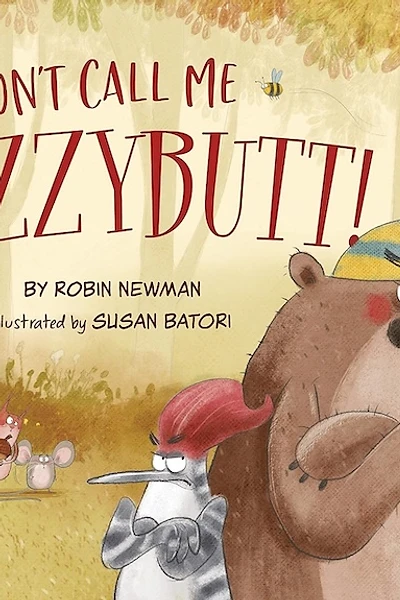
- 3.How do the illustrations help make the story funny?
- 4.How does the family's behavior show that they care about the kitten?
- 5.What makes a good name?
- 6.What lesson does the kitten learn?
Classroom Activity
My Perfect Name
Imagine giving yourself a new nickname. Include the new name, why it fits, three personality traits, and an illustration.
Lesson Plan
Learning Goals
- Explain why names and nicknames matter to identity
- Identify how respect is shown through the words we choose
- Create a personal name identity card with a chosen name and three traits
Activity Steps
- 1.Read the story aloud, pausing when the kitten reacts to 'Fuzzybutt.'
- 2.Discuss: 'Why did the nickname upset the kitten? Was it meant kindly?'
- 3.Model an identity card: chosen name, three personality traits, one illustration.
- 4.Students create their own identity card.
- 5.Share cards and practice using each classmate's chosen name respectfully.
Standards Connections
- ELA: RL.K.1 — Ask and answer questions about key details
- ELA: RL.K.2 — Retell stories, including key details
- ELA: RL.K.3 — Describe characters, setting, and events
- ELA: RL.3.6 — Acknowledge differences in characters' points of view
- ELA: SL.K.1 — Participate in collaborative conversations about the text
- ELA: W.K.3 — Write narratives recounting events with descriptive details
- SEL: Social Awareness
- SEL: Relationship Skills
- Art: VA:Re7 — Perceive and analyze artistic work
Pace-Write-Read Study with Pace-Write It!
Focus question: How does an author use pacing to make a funny story about respect feel lively, dramatic, and meaningful? In Don't Call Me Fuzzybutt! by Robin Newman, a spirited kitten reacts strongly to a nickname she does not want, and the story moves quickly through talk, expression, and comic moments. Newman uses brisk dialogue, page-turn surprises, and well-timed pauses to show both the humor of the conflict and the serious idea that names matter.
| Element | How to notice or teach it in the novel |
|---|---|
| Pace | Read: Notice how quickly the story moves once the kitten objects to being called "Fuzzybutt." Robin Newman keeps the pace lively with short exchanges, strong reactions, and quick emotional shifts that match the kitten’s sassy personality and the theme of respecting names. Classroom Activity: Write a 4-sentence mini-scene in which a character hears a nickname they dislike; make sentence 1 calm, sentences 2-3 quick and dramatic, and sentence 4 a clear response about what the character wants to be called. |
| Plot | Read: Track the simple but effective plot: a nickname is used, the kitten objects, the conflict grows through funny interactions, and the story centers on being called the right name. The plot pacing works because each moment builds the problem of name-calling while staying playful. Classroom Activity: Draw and label a beginning-middle-end plot map for the kitten’s problem with "Fuzzybutt," then write one new middle event that would fit the story. |
| Prosody | Read: Listen to how the story sounds aloud, especially in the kitten’s sharp, expressive responses. The rhythm of the sentences helps readers hear attitude, humor, and rising emotion, which speeds up or slows down the reading in key spots. Classroom Activity: Reread one page aloud three ways—calm, annoyed, and dramatic—then write one line of dialogue for the kitten that sounds best when read with expression. |
| Word pause | Read: Notice places where a single important word or name makes readers pause, especially when the nickname "Fuzzybutt" is said. That pause gives the word extra power and helps highlight why the kitten cares so much. Classroom Activity: Write a sentence in which one word should stand out, such as a name a character loves or hates, and underline the word that should make the reader pause. |
| Concept | Read: The big idea is that names matter and respect matters. Even though the book is funny and full of attitude, the pacing keeps bringing readers back to the serious concept that people and characters want to be called what feels right to them. Classroom Activity: Complete this sentence frame and add one example: "A name matters because ____." Then write a second sentence about how the kitten in the story shows this idea. |
| Voice & World View | Read: The kitten’s strong voice shapes the whole story, making readers feel her confidence, frustration, and humor. Her world view is clear: being called the wrong name is not a small thing, and she expects others to listen. Classroom Activity: Write 3 first-person sentences from the kitten’s point of view explaining why "Fuzzybutt" is not acceptable. |
| Setting & Place | Read: Notice how the home or everyday animal world feels familiar, which helps the fast-moving conflict stay easy to follow. Because the setting is recognizable, the pacing can focus on the social problem—what happens when someone keeps using a name you do not like. Classroom Activity: Write 2-3 sentences describing where a scene like this could happen in your classroom, home, or playground, and explain how the place affects the conversation. |
| Point of View | Read: Think about how the story’s point of view helps readers stay close to the kitten’s reactions. Even if the narration is not told directly by the kitten, readers are guided to notice her feelings first, which keeps the pacing centered on her experience. Classroom Activity: Rewrite one moment from the point of view of the person who says "Fuzzybutt," showing what that character learns. |
| Original Characters | Read: The kitten stands out as an original character because she is tiny, fierce, funny, and very clear about what she will not accept. Her bold reactions create momentum and keep readers eager to see what she will say next. Classroom Activity: Invent an original pet or animal character with one strong opinion about names, and write 3 traits plus 2 lines of dialogue. |
| Dialogue | Read: Dialogue is a major pacing tool in this book because characters’ spoken words move the conflict forward quickly. The back-and-forth around the nickname makes the story feel immediate and dramatic while also revealing character and theme. Classroom Activity: Write a 6-line dialogue between the kitten and another character in which the kitten explains what she wants to be called instead. |
| Details | Read: Small details—facial expressions, body language, and repeated use of the nickname—help show exactly why the kitten reacts so strongly. These details keep the story vivid without slowing it down too much. Classroom Activity: Make a list of 5 tiny details that could show a character is annoyed without saying "She was annoyed," then use 2 of them in a sentence about the kitten. |
| Descriptions | Read: Descriptions in this story support the humor and the kitten’s big personality rather than stopping the action. Readers get just enough descriptive language to picture the kitten’s sass and the emotional energy of each scene. Classroom Activity: Write 3 descriptive phrases for the kitten that match the style of the story, such as words that show she is proud, feisty, or dramatic. |
| Strong First Lines | Read: Think about how the opening quickly introduces the conflict or attitude that hooks readers right away. A strong beginning matters in a picture book because it sets the pace fast and signals that this story will be funny, energetic, and centered on the kitten’s objection. Classroom Activity: Write your own strong first line for a story about a character who refuses a nickname. |
| Immediacy & Engagement | Read: The book feels immediate because the problem shows up fast and the kitten’s feelings are easy to understand at once. Readers stay engaged because they want to know whether others will finally respect what the kitten wants to be called. Classroom Activity: Write 2 opening sentences that introduce a problem immediately, without extra background, the way this story does. |
| Story Scenes & Summaries & Unique Structures | Read: Notice how the book likely spends most of its time in active scenes—moments where characters talk and react—instead of long summaries. That scene-heavy structure is perfect for a picture book about conflict and voice because it keeps the pacing brisk. Classroom Activity: Write one scene from the story world using dialogue, then write one summary sentence that tells what happened after the scene. |
| Flashback & Flash Forward & Cliffhangers | Read: This story mostly stays in the present moment, which helps the pacing stay tight, but readers can still imagine how a cliffhanger could work before a page turn—especially right after someone says "Fuzzybutt" again. The lack of long flashbacks keeps attention on the current conflict. Classroom Activity: Write a cliffhanger line that could come at the end of a page, such as right before the kitten gives an important response. |
| Tension & Suspense & Surprise | Read: Even in a funny picture book, there is tension because readers wonder whether the kitten will be heard and respected. Surprise can come from the kitten’s oversized reaction, a witty comeback, or how another character responds to her demand. Classroom Activity: Write 3 sentences that build tension: someone says the wrong name, the kitten reacts, and then add a surprising final line. |
| Page Turns and Chapter Breaks | Read: In a picture book like this, page turns matter a lot because they can delay the kitten’s reaction for a beat and make the next line funnier or stronger. There are no chapter breaks, so page turns do the work of pacing the conflict and the jokes. Classroom Activity: Fold a paper into 4 parts and plan a 4-page mini-book about a nickname problem; write a page-turn moment that makes the reader want to see the next page. |
| Performance | Read: This book invites performance because the kitten’s feelings are so big and the dialogue is expressive. Reading it aloud with gestures, facial expressions, and dramatic pauses helps students hear how pacing creates comedy and emphasis. Classroom Activity: Perform one line as the kitten and one line as another character, then write a stage direction in parentheses, such as (stomps paw) or (gasps). |
| Personality | Read: The kitten’s personality drives the pacing; her sass, pride, and determination make every exchange feel charged. The story moves the way it does because this is not a quiet character—she reacts boldly and keeps the conflict alive. Classroom Activity: Write a character sketch of the kitten using this frame: "She is ___, ___, and ___ because ___." |
| Humor | Read: Humor comes from the exaggerated nickname, the kitten’s fierce response, and the mismatch between a cute kitten and such a strong objection. Robin Newman uses humor to make the lesson about respect memorable instead of preachy. Classroom Activity: Write one funny but respectful nickname a character rejects and one funnier line explaining why they reject it. |
| Pause | Read: Notice how a pause before or after the nickname can increase the joke or the drama. A well-placed pause gives readers time to react and lets the kitten’s feelings land more strongly. Classroom Activity: Write a 2-line exchange and add a dash or ellipsis to show where the speaker pauses for effect. |
| Poetry and Poetic Devices | Read: Even though this is fiction, some lines may feel musical because of sound patterns, repetition, or playful word choice around the kitten and the nickname. Those poetic touches can make the story more fun to hear and easier to remember. Classroom Activity: Write a short 2-line chant for the kitten about being called the right name, using rhyme or alliteration. |
| Repetition | Read: Repetition is important because hearing "Fuzzybutt" more than once helps build the conflict and the humor. Each repeated use can change in meaning depending on the kitten’s reaction, making the pacing feel cumulative. Classroom Activity: Write a 3-line piece in which the same name is repeated three times, but the character’s reaction changes each time. |
| Rhythm | Read: The rhythm of short and longer sentences helps control how fast readers move through the kitten’s argument. Quick bursts can sound angry or funny, while a slightly longer line can explain the kitten’s feelings more clearly. Classroom Activity: Write one short sentence, one medium sentence, and one longer sentence about the kitten’s problem, then read them aloud in order. |
| Punctuation | Read: Exclamation points, commas, quotation marks, and other punctuation likely help show the kitten’s strong emotions and shape the read-aloud pacing. In a story about a bold character, punctuation acts almost like a voice coach. Classroom Activity: Write the same line of dialogue three ways—ending with a period, question mark, and exclamation point—and tell how each one changes the kitten’s voice. |
| Questions | Read: Questions can reveal confusion, challenge another character, or invite readers to think about fairness and respect. In this story, a question could slow the action for a moment and focus attention on why the nickname matters. Classroom Activity: Write 3 questions the kitten might ask someone who keeps calling her "Fuzzybutt." |
| Compare-Contrast | Read: Compare the silly sound of the nickname "Fuzzybutt" with the serious feeling the kitten has about being called the wrong thing. That contrast helps the story balance humor with an important social lesson. Classroom Activity: Make a T-chart comparing a respectful name and an unwanted nickname; then write 2 sentences explaining the difference. |
| Objects | Read: Notice any objects in the illustrations or story world that help tell us about the kitten’s life and mood. In picture books, even small objects can support pacing by giving readers visual clues during fast scenes. Classroom Activity: Choose one object the kitten might interact with—such as a bowl, toy, or bed—and write 2 sentences showing how it helps tell the story. |
| Threes | Read: Stories often feel satisfying when actions or words happen in threes, and this pattern would fit a picture book like this one. Three tries, three complaints, or three reactions from the kitten can build humor and pacing effectively. Classroom Activity: Write a rule-of-three sequence in which the kitten is called the wrong name three times and responds differently each time. |
| Whitespace & Negative Space | Read: In a picture book, open space on the page can make a line feel louder, funnier, or more dramatic. White space can also isolate the kitten’s reaction so readers pause and focus on her feelings about the nickname. Classroom Activity: On a blank page, write one short line the kitten says in large letters with lots of space around it, then explain why the empty space matters. |
| Art & Graphics | Read: The illustrations are essential for pacing because they show the kitten’s expressions, posture, and comic energy in ways words alone cannot. Art helps readers feel the speed of the conflict and the humor of the kitten’s bold personality. Classroom Activity: Draw the kitten’s face in three panels—calm, annoyed, furious—and write one caption for each panel. |
| Interactives & Gamification | Read: This story easily invites participation because students can listen for the nickname, act out the kitten’s reactions, or signal when a moment feels respectful or disrespectful. Interactive reading makes the pacing visible and helps students connect the funny story to real classroom behavior. Classroom Activity: Create a class game called "Right Name, Right Time" by writing 3 respectful lines and 3 disrespectful nickname lines inspired by the book; classmates sort them into the correct category. |
Pace-Write It!
20-Minute Classroom Flow\nRead (5 min): Read aloud Don't Call Me Fuzzybutt! by Robin Newman with strong expression. Pause briefly whenever the nickname "Fuzzybutt" is said so students can notice how the pause builds humor and tension.\nNotice (5 min): Ask: How does the story move so quickly? Chart student ideas such as short dialogue, repeated nickname, funny reactions, page-turn suspense, and big feelings from the kitten. Revisit the focus question and name the theme of respect and name-calling.\nWrite (7 min): Students write a short scene about a character correcting someone who uses the wrong name. Writing frame: "\"Don’t call me ____,\" said ____. \"My name is ____.\" ____ felt ____. Then ____ said, \"____.\"" Encourage students to add one exclamation point, one repeated word or name, and one strong feeling.\nShare (3 min): Partners read their scenes aloud with performance voices. Listeners say one thing the writer did to make the scene feel fast, funny, or powerful.\nExit ticket: Complete this sentence: "Pacing in this story helped me understand ____ because ____."
Pace-Write-Read Connection
Teach this book using the Pace-Write-Read method — Tool 6: Voice and Worldview.
Open the Mastery Manual