 3-7
3-7M MESSNER
Camp Monster
by Kate Messner
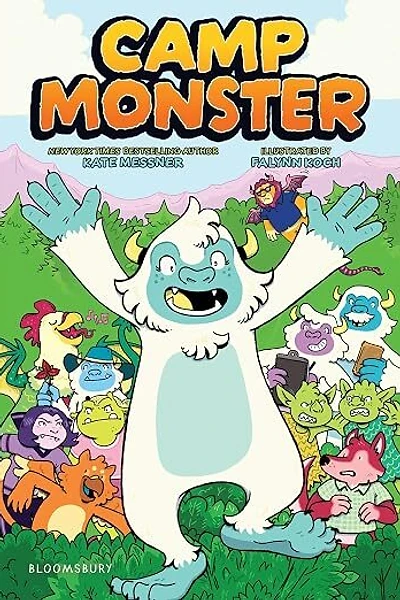
Pacing MaterialSummer camp takes a monster turn when a group of kids discovers that the creatures in the woods aren't what they seem — and friendship comes in unexpected shapes and sizes.
Big Idea
Things aren't always as scary as they seem — and friendship can bridge even the biggest differences.
Discussion Questions
- 1.What do the campers discover about the monsters?
- 2.How do first impressions change as the story unfolds?
- 3.What makes someone a friend, even if they're different from you?
- 4.Have you ever been surprised by someone once you got to know them?
Classroom Activity
Monster Friend
Design a friendly monster. Draw them, give them a name, and write one sentence about what makes them a great friend.
Lesson Plan
Learning Goals
- Explain how the campers’ discoveries about the woodland creatures connect to the idea that appearances can be misleading.
- Identify friendship qualities that help characters connect despite their differences.
- Design a friendly monster whose actions challenge a frightening first impression.
- Write a clear sentence explaining what makes the imagined monster a great friend.
Activity Steps
- 1.Introduce or revisit the summary of Camp Monster. Ask: “Why might the campers feel afraid of creatures in the woods? What could help them change their minds?” If reading the book together, invite students to reference a relevant scene.
- 2.Brainstorm qualities of a great friend, such as kindness, listening, helpfulness, and including others. Discuss how a monster could show these qualities at summer camp.
- 3.Have students draw a woodland monster that might look intimidating at first but is friendly. Encourage details that suggest both its unusual appearance and its welcoming personality.
- 4.Ask students to name their monster and write one sentence explaining what makes it a great friend. Offer the frame: “_____ is a great friend because _____.” Encourage a specific camp-related action, such as helping a homesick camper or inviting someone to join a game.
- 5.Have students share their drawings and sentences with a partner or the class. Partners identify the friendship quality each monster demonstrates.
- 6.Close with a reflection: “How does your monster show that things aren’t always as scary as they seem?” Connect students’ answers to the campers’ discoveries and the book’s big idea.
Standards Connections
- ELA: CCSS.RL.3.3 — Describe characters and explain how their actions contribute to events; apply when discussing scenes from the book.
- ELA: CCSS.W.3.8 — Recall information from experiences or gather information from sources to support a written explanation.
- ELA: CCSS.SL.3.1 — Participate in collaborative discussions, building on others’ ideas and expressing ideas clearly.
- SEL: Social awareness — Consider perspectives beyond first impressions and recognize positive qualities in others.
- SEL: Relationship skills — Identify kindness, inclusion, and helpfulness as ways to build friendships across differences.
Pace-Write-Read Study with Pace-Write It!
Focus question: How does an author speed up or slow down a story so readers feel suspense, wonder, and friendship at just the right moments? In Camp Monster by Kate Messner, a summer camp adventure turns mysterious when kids begin noticing strange creatures in the woods and learn that what seems scary may actually be kind. Messner uses pacing by mixing quick, tense discoveries with slower moments of conversation, observation, and growing trust so readers keep turning pages while caring about the friendships at the center of the story.
| Element | How to notice or teach it in the novel |
|---|---|
| Pace | Read: Notice how Camp Monster moves between fast moments in the woods, when the campers react to mysterious creatures, and slower moments when the kids talk, think, and decide whom to trust. Kate Messner uses these shifts in pace to balance suspense with the theme of friendship and kindness. Classroom Activity: Write a two-part scene about campers hearing a strange noise at night—make the first part fast and urgent, and the second part slow and thoughtful as the characters figure out what the sound might mean. |
| Plot | Read: Track how the plot in Camp Monster builds from an ordinary camp experience into a monster mystery, then toward the realization that appearances can be misleading. Notice how each discovery in the woods changes what the kids believe about danger, belonging, and friendship. Classroom Activity: Create a plot ladder with five steps: arrival at camp, first strange clue, meeting a creature, a problem caused by misunderstanding, and a friendship-based resolution; then write the middle step in paragraph form. |
| Prosody | Read: Listen to how the sentences in Camp Monster sound when read aloud, especially in suspenseful scenes and in warm, funny exchanges between campers. The rise and fall of the language helps readers feel when to hurry, when to pause, and when to smile. Classroom Activity: Choose a spooky-but-kind camp moment you invent and write 6–8 lines meant to be read aloud, using sentence lengths that change the mood from nervous to relieved. |
| Word pause | Read: Notice where Messner uses a single striking word or a short sentence to make readers stop and pay attention, especially around a reveal in the woods or a camper’s sudden realization. These word-level pauses help important feelings and discoveries land. Classroom Activity: Write a short paragraph about a camper seeing glowing eyes in the trees, and include three intentional one-word or two-word pauses for effect. |
| Concept | Read: Think about the central idea in Camp Monster that scary-looking creatures and unfamiliar people are not always dangerous; kindness can grow when characters look again and listen better. The pacing supports this concept by delaying full understanding until the campers are ready to change their minds. Classroom Activity: Write a reflection scene in which a camper first labels something as frightening, then slowly realizes it is harmless or even friendly. |
| Voice & World View | Read: Notice how the story’s voice stays curious, lively, and open to surprise, shaping a worldview that values empathy over snap judgments. In Camp Monster, even tense moments are guided by the idea that friendship can appear in unexpected shapes and sizes. Classroom Activity: Write a first-person camp journal entry in a voice that begins suspicious and ends compassionate after meeting a misunderstood creature. |
| Setting & Place | Read: Pay attention to how the camp cabins, trails, lake, and woods create both adventure and uncertainty in Camp Monster. Messner uses the setting to control pacing: open camp spaces feel social and safe, while shadowy forest spaces slow readers down and heighten suspense. Classroom Activity: Describe two camp settings—a cheerful daytime dock and a dark nighttime trail—and explain in each how the place changes the speed of the scene. |
| Point of View | Read: Notice how the point of view keeps readers close to what the kids know and do not know about the creatures in the woods. This limited understanding helps the mystery unfold gradually and keeps the friendship theme personal and emotional. Classroom Activity: Write the same monster encounter twice, once from a nervous camper’s point of view and once from the creature’s point of view, showing how the pacing and meaning change. |
| Original Characters | Read: Look at how the campers and creatures in Camp Monster feel distinct, with their own fears, strengths, and ways of connecting. Original characters make pacing stronger because readers want to stay with them through each clue, mistake, and act of kindness. Classroom Activity: Invent a camper and a woodland creature who misunderstand each other at first; write character notes and then one short scene where a small detail reveals each one’s true nature. |
| Dialogue | Read: Notice how dialogue in Camp Monster helps reveal character relationships, build humor, and move the mystery forward. Quick exchanges can speed a scene up, while hesitant or careful dialogue can slow it down and show growing trust. Classroom Activity: Write a dialogue-only scene between two campers arguing about whether the creatures are dangerous, then ending with one line that opens the possibility of friendship. |
| Details | Read: Study the concrete details Messner includes about camp life and strange forest discoveries—sounds, shadows, footprints, gear, and expressions. These details help readers believe the world and feel the shift from fear to understanding. Classroom Activity: List ten sensory details a camper might notice on a nighttime walk, then use at least five of them in a paragraph about finding evidence of a creature. |
| Descriptions | Read: Notice how descriptions in Camp Monster can first make the woods or creatures seem eerie, then later seem wondrous or gentle once the campers know more. Description changes with understanding, which is part of the book’s message about kindness. Classroom Activity: Write one description of a creature from far away that sounds scary, and a second description of the same creature up close that sounds kind. |
| Strong First Lines | Read: Think about how a strong opening line in a camp mystery needs to quickly create curiosity, voice, and a hint of trouble. Camp Monster depends on readers wanting to know what is unusual about this camp and these woods right away. Classroom Activity: Write three possible first lines for a story inspired by Camp Monster: one funny, one spooky, and one that hints at friendship with an unexpected creature. |
| Immediacy & Engagement | Read: Notice how Messner keeps readers engaged by placing the kids close to discoveries and decisions instead of explaining everything from far away. Readers feel the urgency of what the campers hear, see, and choose in each moment. Classroom Activity: Write a scene in present tense where a camper hears branches snap behind the cabin and must decide whether to run, hide, or speak kindly. |
| Story Scenes & Summaries & Unique Structures | Read: Watch how some parts of Camp Monster would feel like full scenes—such as a discovery in the woods or an important conversation—while other parts likely move more quickly through summary to get to the next key event. This balance helps the book keep momentum without losing emotional depth. Classroom Activity: Write a three-sentence summary of a whole camp day, then expand one important moment from that day into a detailed scene. |
| Flashback & Flash Forward & Cliffhangers | Read: Notice how a memory, a hint about what happened before, or a chapter ending on a troubling sound or sight can make readers keep going. In a story like Camp Monster, cliffhangers are especially powerful when the campers still do not understand the creatures’ true intentions. Classroom Activity: End a short camp chapter with a cliffhanger in which a camper turns toward a strange voice in the woods and sees something unexpected. |
| Tension & Suspense & Surprise | Read: Pay attention to how tension grows when the kids expect danger, suspense stretches while they investigate, and surprise arrives when the creatures are not what they seemed. This structure supports the theme that fear can fade when understanding grows. Classroom Activity: Write a suspense paragraph leading to a surprising reveal that the ‘monster’ is trying to help someone. |
| Page Turns and Chapter Breaks | Read: Think about where Messner might place a chapter break—right after a clue, a sound, a disagreement, or a half-seen creature—to push readers into the next section. Pacing often depends on ending at the most curious moment. Classroom Activity: Draft a one-page chapter about campers exploring the woods and choose the final sentence so readers desperately want to turn the page. |
| Performance | Read: Notice how scenes in Camp Monster could be performed with voice, facial expression, and movement, especially when fear shifts into laughter or trust. Performance helps students hear pacing and understand how characters react to the unknown. Classroom Activity: Turn a creature-meeting scene into a short script with stage directions that show pauses, quick reactions, and a final friendly gesture. |
| Personality | Read: Watch how each camper’s personality affects pacing: a bold kid may rush ahead, a cautious kid may slow things down, and a kind kid may ask a question instead of assuming the worst. Personality drives both action and misunderstanding in Camp Monster. Classroom Activity: Write a scene in which three campers with different personalities respond differently to the same mysterious footprint. |
| Humor | Read: Look for how humor can soften scary moments in Camp Monster and make the campers feel real. Jokes, awkward reactions, or surprising creature behavior can relieve tension without ruining the mystery. Classroom Activity: Write a scene where a frightening camp moment becomes funny because of a character’s unexpected comment or a creature’s silly action. |
| Pause | Read: Notice the important pauses before a decision, after a shocking sight, or during a moment of listening in the woods. In Camp Monster, pauses give space for fear to change into curiosity and kindness. Classroom Activity: Write a short scene in which a camper pauses before shouting or running, then chooses to observe more carefully instead. |
| Poetry and Poetic Devices | Read: Pay attention to language that may feel poetic in describing moonlight, rustling leaves, or the emotional shift from fear to friendship. Similes, repetition, and sound devices can slow pacing and deepen mood in a camp-at-night setting. Classroom Activity: Write a 6-line free-verse poem from a camper’s point of view using at least one simile and one repetition about seeing the woods differently after meeting a creature. |
| Repetition | Read: Notice how repeated words, ideas, or images—such as strange sounds, warnings, or reminders not to judge too fast—can build rhythm and reinforce theme in Camp Monster. Repetition can also show how fear grows before understanding breaks through. Classroom Activity: Write a paragraph that repeats one phrase three times, changing its meaning each time from fearful to curious to friendly. |
| Rhythm | Read: Listen to the rhythm of action scenes versus reflective scenes in Camp Monster. Short, quick beats can mirror running feet or racing thoughts, while longer sentences can match careful listening and growing trust. Classroom Activity: Write four short sentences to show panic during a night search, followed by two longer sentences that slow down when the campers realize the creature is gentle. |
| Punctuation | Read: Notice how punctuation such as dashes, ellipses, commas, and exclamation points can shape pacing and emotion in a suspenseful camp story. In Camp Monster, punctuation can help show startled reactions, interrupted speech, or hesitant understanding. Classroom Activity: Write a short exchange between campers and use at least four kinds of punctuation to control the speed and feeling of the scene. |
| Questions | Read: Track the questions that drive the story: What is in the woods? Are the creatures dangerous? Who is telling the truth? Can friendship cross fear and difference? These questions keep readers engaged and move the pacing forward. Classroom Activity: Write a mystery notebook entry from a camper listing five questions about the creatures, then add one answer the camper discovers by the end. |
| Compare-Contrast | Read: Compare how the campers see the creatures at first with how they see them later, and contrast scary rumors with actual experience. This change is central to Camp Monster’s message about kindness and unexpected friendship. Classroom Activity: Make a T-chart labeled ‘What we assumed’ and ‘What we learned,’ then write a paragraph explaining how one camper changed. |
| Objects | Read: Notice how camp objects and clue-like items—flashlights, maps, backpacks, footprints, notes, or supplies—can guide movement and pacing through the mystery. Objects often connect the ordinary camp world with the unusual creature world. Classroom Activity: Choose one object a camper drops in the woods and write a scene showing how that object begins a friendship with a creature. |
| Threes | Read: Look for places where events, clues, or character attempts might come in threes, a pattern that helps pacing feel satisfying and memorable. In a story like Camp Monster, three sounds, three clues, or three meetings can build suspense before a reveal. Classroom Activity: Write a sequence in which campers discover three clues about a creature, with each clue changing their understanding. |
| Whitespace & Negative Space | Read: Think about how short paragraphs, line breaks, and extra space on the page can make a suspenseful moment feel bigger or slower. In Camp Monster, a quiet nighttime realization could become more powerful when surrounded by space. Classroom Activity: Write a brief suspense scene using short paragraphs and one single-line paragraph for the most important reveal. |
| Art & Graphics | Read: Consider how a map of camp, sketch of a footprint, creature drawing, or sign could support understanding and pacing in a book like Camp Monster. Visuals can help readers track clues and relationships while adding playful mystery. Classroom Activity: Draw a simple camp map with three labeled clue locations, then write a paragraph explaining how the map helps the campers investigate. |
| Interactives & Gamification | Read: Imagine how the mystery structure of Camp Monster invites interactive reading through clue hunts, prediction games, and decision points about trust and friendship. The book’s pacing works well because each discovery feels like unlocking the next level of understanding. Classroom Activity: Design a ‘Camp Monster Clue Challenge’ with three clues, two possible conclusions, and one final written explanation showing why kindness leads to the best solution. |
Pace-Write It!
20-Minute Classroom Flow Read (5 min): Read aloud a suspenseful section or summary moment from Camp Monster by Kate Messner in which the campers notice signs of creatures in the woods, followed by a calmer moment where they begin to question whether the creatures are truly dangerous. Notice (5 min): Ask students: Where did the story speed up? Where did it slow down? What words, sentence lengths, dialogue, or details created suspense? How did the pacing help show the theme of friendship and kindness? Chart two columns: ‘Fast for tension’ and ‘Slow for understanding.’ Write (7 min): Students write their own short camp scene inspired by the book’s pacing. They should begin with a scary or mysterious discovery and end with a clue that the creature may be friendly. Writing frame: ‘At Camp ___, I heard/seen ___. First, I thought ___. The woods felt ___, ___, and ___. Then I noticed ___. “___,” said ___. I paused. Instead of ____, I ____. That was when I realized ___. Maybe the monster was actually ___.’ Share (3 min): Partners read their scenes aloud and identify one place where the writing moved quickly and one place where it slowed down effectively. Exit ticket: In one or two sentences, answer: How can slowing down a scary scene help a reader understand a character—or a monster—more kindly?