
 1-4
1-4P MCANULTY
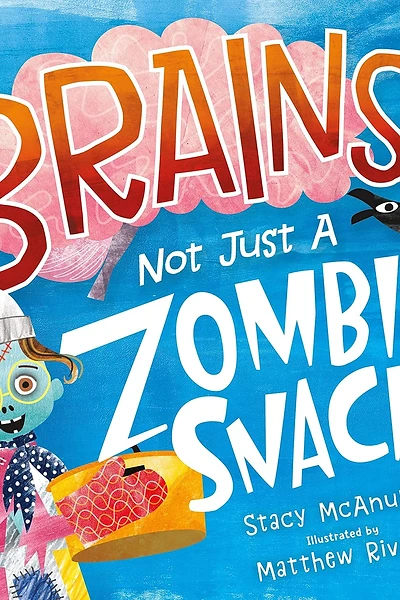
Brains! Not Just a Zombie Snack
by Stacy McAnulty
Pacing MaterialA zombie chef-scientist serves up the wonders of the human brain in a funny, fact-packed tour.
Big Idea
Your brain is an incredible organ that helps you think, learn, move, feel, and grow. Taking care of it helps you live a curious, active life.
Discussion Questions
- 1.Why does the author compare brains with zombie stories?
- 2.What are three important jobs the brain performs?
- 3.Which brain fact surprised you the most?
- 4.Why is the brain considered the body's control center?
- 5.How do neurons help the brain communicate?
- 6.Why is it important to wear helmets during certain activities?
- 7.How does humor make learning easier?
Classroom Activity
Amazing Brain Poster
Create an informational poster showing your favorite brain: major parts, their functions, interesting facts, illustrations, and labels.
Lesson Plan
Learning Goals
- Identify three major functions of the brain
- Create an informational poster about a favorite brain part
Activity Steps
- 1.Read the story aloud, listing brain facts on the board.
- 2.Discuss: 'Which fact surprised you most?'
- 3.Model a poster showing one brain part and its function.
- 4.Students create their own brain poster.
- 5.Gallery walk to share posters.
Standards Connections
- ELA: RL.1.1 — Ask and answer questions about key details
- ELA: RL.1.2 — Retell stories, including key details
- ELA: RL.1.3 — Describe characters, setting, and events
- ELA: RL.4.6 — Acknowledge differences in characters' points of view
- ELA: SL.1.1 — Participate in collaborative conversations about the text
- ELA: W.1.3 — Write narratives recounting events with descriptive details
- SEL: Social Awareness
- SEL: Relationship Skills
- Art: VA:Re7 — Perceive and analyze artistic work
Pace-Write-Read Study with Pace-Write It!
Focus question: How does an author make information feel exciting, funny, and easy to follow? In Brains! Not Just a Zombie Snack by Stacy McAnulty, a silly zombie chef-scientist guides readers through facts about the human brain with humor, direct talk, and energetic page-by-page reveals. The pacing moves quickly with jokes, questions, visual surprises, and short bursts of information that help readers stay curious while learning.
| Element | How to notice or teach it in the novel |
|---|---|
| Pace | Read: Notice how Brains! Not Just a Zombie Snack moves in quick, lively chunks as the zombie chef-scientist introduces one brain fact at a time instead of giving everything at once. Classroom Activity: Write 4 short fact boxes about an amazing body part, with each box revealing one new idea in a fast, playful order. |
| Plot | Read: Even though this is fact-filled, the book has a loose story line because the zombie host seems to be serving up a tour of the brain like a cooking show or mad-science presentation. Classroom Activity: Plan a beginning, middle, and end for an informational piece in which a funny guide introduces facts as if giving a show. |
| Prosody | Read: Listen for places where the words sound bouncy, dramatic, or announcer-like, matching the goofy zombie voice and making facts sound exciting. Classroom Activity: Choose 3 sentences about the brain and rewrite them to sound dramatic when read aloud. |
| Word pause | Read: Notice where a surprising word, joke, or fact makes you stop for a moment before reading on, especially when the zombie host says something gross or silly. Classroom Activity: Write 3 sentences that each use one strong word at the end to create a pause and a grin. |
| Concept | Read: The big concept is that brains are powerful, busy, and important—not just food for zombies—so the humor supports real learning about brainpower. Classroom Activity: Write a main idea statement and 3 supporting facts for a book page called Not Just a ______. |
| Voice & World View | Read: The voice is playful, quirky, and a little spooky, but it clearly admires the human brain and invites readers to feel amazed by it. Classroom Activity: Write a paragraph about something ordinary from the point of view of a creature who thinks it is extraordinary. |
| Setting & Place | Read: Notice how the book’s science-show and zombie-kitchen feel create a fun place for learning, even when the pages focus on the brain itself. Classroom Activity: Invent a setting for teaching facts, such as a pirate lab or robot bakery, and write 5 facts that match that place. |
| Point of View | Read: Pay attention to how the book’s speaker talks directly to the reader, making the information feel like a conversation instead of a lecture. Classroom Activity: Write 4 facts using you, your, and direct questions to pull the reader in. |
| Original Characters | Read: The zombie chef-scientist is an unusual and memorable character because he mixes creepy humor with real science facts. Classroom Activity: Create an original fact-guide character and write a character card with name, job, personality, and favorite fact topic. |
| Dialogue | Read: Notice how the speaking style feels like the zombie host is chatting with the audience, even when exact back-and-forth dialogue is limited. Classroom Activity: Write a short exchange between a silly guide and a curious kid about how the brain helps the body. |
| Details | Read: The book includes specific brain facts that make the topic feel real and fascinating, rather than vague or general. Classroom Activity: Write 5 precise details about a body part or animal and make each detail teach something new. |
| Descriptions | Read: Watch how descriptions of the brain’s jobs are kept simple, vivid, and kid-friendly so hard science ideas stay clear and fun. Classroom Activity: Describe what a brain does using action words that a first- through fourth-grader can picture. |
| Strong First Lines | Read: Think about how the opening quickly grabs attention by mixing zombies, brains, and humor right away. Classroom Activity: Write 3 different opening lines for a nonfiction picture book that surprise the reader in the first sentence. |
| Immediacy & Engagement | Read: The book feels immediate because the zombie narrator speaks as if the reader is right there at the demonstration, ready to react. Classroom Activity: Write 4 lines that make your reader feel present by using now, look, imagine, or watch. |
| Story Scenes & Summaries & Unique Structures | Read: Notice how the book blends mini-scenes of the zombie host presenting with summary-style fact sections, creating a fresh nonfiction-fiction mix. Classroom Activity: Write one mini-scene and one fact-summary about the same topic, then put them together on a page. |
| Flashback & Flash Forward & Cliffhangers | Read: Although the book is mostly in the present, some page turns make readers wonder what fact or joke is coming next, almost like a mini-cliffhanger. Classroom Activity: End 3 fact-page drafts with a teasing line that makes readers want to turn the page. |
| Tension & Suspense & Surprise | Read: The surprise comes from the mismatch between a brain-hungry zombie and a book that celebrates and explains the brain instead of eating it. Classroom Activity: Write a surprising contrast sentence that begins with a creature or character expected to do one thing but does another. |
| Page Turns and Chapter Breaks | Read: Notice how page turns help deliver punch lines, new facts, and visual reveals in Brains! Not Just a Zombie Snack. Classroom Activity: Fold a paper into 4 pages and plan where a joke or big fact should be hidden until the next page turn. |
| Performance | Read: This book begs to be performed with spooky-chef gestures, dramatic pauses, and excited fact-telling. Classroom Activity: Rehearse reading one page aloud and mark where you will use a voice change, gesture, and pause. |
| Personality | Read: The zombie presenter has a big personality—goofy, curious, and enthusiastic—which keeps the facts lively. Classroom Activity: Write 5 narrator lines that teach facts while showing a strong personality trait like goofy, bossy, or amazed. |
| Humor | Read: Humor comes from zombie jokes, silly expectations, and the playful idea that brains are more than a snack. Classroom Activity: Write 3 science jokes or playful captions for an informational page about the body. |
| Pause | Read: Notice where the book slows down for a surprising fact or a visual moment so readers can think and laugh before racing on. Classroom Activity: Add one pause line such as Wait... or But here’s the amazing part... into your own fact paragraph. |
| Poetry and Poetic Devices | Read: Listen for playful sound patterns, repeated phrases, and image-rich wording that make facts feel musical and memorable. Classroom Activity: Write a 4-line poem about the brain using alliteration or personification. |
| Repetition | Read: The title idea and brain-centered jokes repeat the main message that the brain matters, helping readers remember the theme. Classroom Activity: Choose one key phrase and repeat it in 3 different parts of your writing to build emphasis. |
| Rhythm | Read: The short sentences, punchy facts, and quick jokes create a brisk rhythm that matches the lively zombie host. Classroom Activity: Draft 6 sentences that alternate between short punchy lines and slightly longer fact lines. |
| Punctuation | Read: Notice how exclamation marks, question marks, and dashes help the zombie narrator sound excited, shocked, or dramatic. Classroom Activity: Rewrite a plain fact 3 ways using different punctuation to change the energy. |
| Questions | Read: The book uses questions to make readers think about their own brains and stay involved in the lesson. Classroom Activity: Write 4 reader questions that could introduce facts in a funny informational book. |
| Compare-Contrast | Read: A big compare-contrast idea is brains as something zombies might want to eat versus brains as the control center of the body. Classroom Activity: Make a T-chart comparing what people might think about brains in a silly story and what is actually true. |
| Objects | Read: Pay attention to props and visual objects connected to the zombie chef-scientist style, since they help frame the facts in a memorable way. Classroom Activity: Choose 3 objects your fact-guide character would carry and explain how each object helps teach the topic. |
| Threes | Read: Notice when information is grouped in small sets that are easy to remember, a pattern that helps pacing stay clear for young readers. Classroom Activity: Write 3 important jobs of the brain in a set of three using matching sentence starters. |
| Whitespace & Negative Space | Read: The page design gives room for words and illustrations so readers can stop, notice, and absorb each joke or fact without feeling crowded. Classroom Activity: Sketch a mock page and decide where to leave blank space so one fact stands out. |
| Art & Graphics | Read: The illustrations and graphic layout add energy, help explain science ideas, and make the zombie humor feel friendly instead of scary. Classroom Activity: Design a labeled picture or diagram to go with one fact from your own informational page. |
| Interactives & Gamification | Read: The direct address and playful tone make the reading feel interactive, as if the zombie host is quizzing and entertaining the audience. Classroom Activity: Create a 3-question brain quiz or challenge that could fit at the end of a page in your own book. |
Pace-Write It!
20-Minute Classroom Flow Read (5 min): Read aloud selected pages from Brains! Not Just a Zombie Snack by Stacy McAnulty. Pause to let students hear the zombie chef-scientist voice, the jokes, and the quick fact reveals. Notice (5 min): Ask: How does the author keep facts moving? Chart student ideas such as short chunks, questions, page-turn surprises, silly voice, and strong punctuation. Revisit the focus question and underline one example of humor plus one example of a fact. Write (7 min): Students write their own mini fact-page in the style of a funny guide teaching something important. Writing frame: “You may think ______ is just for ______, but actually it ______. Watch out! It can also ______. Isn’t that amazing? That’s why ______ is not just ______.” Encourage students to use one question, one exclamation mark, and one surprising fact. Share (3 min): Partners read their mini fact-pages aloud using a performance voice. Listeners name one pacing move they heard, such as a pause, a joke, or a question. Exit ticket: Write one sentence answering: How did Stacy McAnulty make brain facts feel fun and fast in Brains! Not Just a Zombie Snack?
Pace-Write-Read Connection
Teach this book using the Pace-Write-Read method — Tool 23: Humor.
Open the Mastery Manual