 K-3
K-3P GIANFERRARI
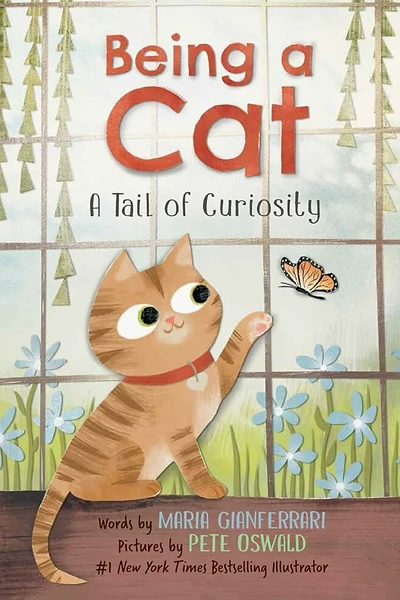
Being a Cat
by Maria Gianferrari
Pacing MaterialA playful exploration of feline curiosity, following a cat as it discovers the small wonders of its world.
Big Idea
Curiosity is a superpower — it helps us discover the wonders of the world.
Discussion Questions
- 1.What does the cat notice that humans might not see?
- 2.What does it mean to be curious? How does curiosity help us learn?
- 3.What is something you're curious about right now?
- 4.What would you notice if you were a cat for a day?
- 5.How does being curious make life more interesting?
Classroom Activity
Curiosity Cat Journals
Students write a 'Curiosity Journal' entry from the perspective of a cat, describing three things they noticed during the day using sensory details.
Lesson Plan
Learning Goals
- Develop curiosity and observation skills
- Practice perspective-taking and writing in character
- Use sensory details in writing
- Make text-to-self connections
Activity Steps
- 1.Read the book together and discuss what the cat notices.
- 2.Give each student a small folded booklet with 3 pages.
- 3.On each page, students write: 'I noticed ___.' from a cat's perspective.
- 4.Students add illustrations for each page.
- 5.Volunteer students share their curiosity journals with the class.
Standards Connections
- ELA: RL.K-3.6 (Point of View)
- ELA: W.K-3.3 (Narrative Writing)
- SEL: Self-Awareness and Curiosity
- Art: Visual Expression
Pace-Write-Read Study with Pace-Write It!
Focus question: How does a curious cat’s way of moving, noticing, and wondering help a story feel lively and full of discovery? In Being a Cat by Maria Gianferrari, readers follow a playful cat exploring the small wonders of its world. The book uses pacing through brief moments, sensory observations, page-by-page discoveries, and energetic language that helps readers slow down to notice details and then spring forward with curiosity.
| Element | How to notice or teach it in the novel |
|---|---|
| Pace | Read: Notice how Being a Cat moves with the cat’s curious energy—sometimes pausing to study a tiny wonder, sometimes quickly darting to the next discovery. The pacing matches the theme of curiosity and wonder by stretching small moments into exciting experiences. Classroom Activity: Write 4 short sentences about an animal exploring a room, making one sentence slow and detailed and the next sentence quick and active. |
| Plot | Read: Notice that the plot in Being a Cat is built from a series of small discoveries instead of one big problem to solve. The cat’s exploration of everyday wonders keeps the story moving from moment to moment. Classroom Activity: Make a beginning-middle-end plan for a story about a pet or pretend animal exploring three new things in one day. |
| Prosody | Read: Listen to how the words in Being a Cat sound when read aloud, with a playful flow that fits the cat’s light, alert movements. The rhythm of the language helps readers feel the cat’s curiosity. Classroom Activity: Read one page aloud, then write 2 lines about a curious animal using words that sound smooth, bouncy, or soft when spoken. |
| Word pause | Read: Notice where individual words in Being a Cat make you stop and picture what the cat is noticing. These small pauses help readers linger on tiny moments of wonder. Classroom Activity: Write a sentence about seeing something surprising, then circle one word where you want your reader to pause and pay attention. |
| Concept | Read: The big concept in Being a Cat is that ordinary things can become extraordinary when viewed with curiosity. The cat’s perspective turns the everyday world into a place full of wonder. Classroom Activity: Write about one ordinary classroom object as if it were amazing to a very curious cat. |
| Voice & World View | Read: Notice how the voice in Being a Cat feels playful, observant, and full of delight in small details. The worldview suggests that exploring, noticing, and wondering are important ways to experience the world. Classroom Activity: Write 3 sentences in the voice of a curious cat who thinks a simple object is fascinating. |
| Setting & Place | Read: Notice how the cat’s world in Being a Cat feels rich because familiar spaces become exciting through close observation. The setting matters because each place offers the cat something new to inspect. Classroom Activity: Choose one place—home, classroom, playground, or yard—and write 3 details a cat might notice there. |
| Point of View | Read: Notice how Being a Cat invites readers to experience the world as a cat might, focusing on what catches feline attention. This point of view helps pacing by guiding readers from one noticed thing to the next. Classroom Activity: Rewrite a moment from your day from the point of view of a cat looking around for the first time. |
| Original Characters | Read: Even without a large cast, the cat in Being a Cat feels like a distinct character because of its alertness, playfulness, and curious habits. The cat’s personality drives what the reader notices and when. Classroom Activity: Invent your own animal character and list 3 original things it always notices first. |
| Dialogue | Read: Notice whether the story leans more on observation and description than on spoken conversation, which suits the quiet watching and investigating of the cat. The lack of much dialogue can slow the pace in a thoughtful way. Classroom Activity: Add 2 short lines of dialogue to a scene where a cat discovers something surprising, such as “What is that?” or “I must get closer.” |
| Details | Read: Notice the small details in Being a Cat that make the cat’s discoveries feel vivid and important. Tiny observations help readers understand why the cat’s world feels full of wonder. Classroom Activity: Write a list of 5 tiny details a cat could notice about a feather, bug, shoelace, or sunbeam. |
| Descriptions | Read: Notice how description in Being a Cat helps readers picture texture, movement, and the cat’s close attention to its surroundings. Description stretches time so one little moment feels big. Classroom Activity: Describe one object a cat would investigate using at least 3 sensory details. |
| Strong First Lines | Read: Notice how the opening of Being a Cat quickly establishes the cat’s curious spirit and invites readers into its world. A strong beginning creates immediate motion and interest. Classroom Activity: Write 2 possible first lines for a story about being another animal, making sure each line shows curiosity right away. |
| Immediacy & Engagement | Read: Notice how Being a Cat makes readers feel close to the cat’s discoveries, as if each moment is happening right now. The language and sequence of observations keep readers engaged in what the cat will notice next. Classroom Activity: Write 3 present-tense sentences that make a reader feel they are exploring beside a cat. |
| Story Scenes & Summaries & Unique Structures | Read: Notice how Being a Cat is structured through connected moments of noticing rather than a long summary of events. Each scene-like discovery builds the feeling of a cat moving through its world with wonder. Classroom Activity: Plan a story in 3 short scenes: first notice, closer look, and final surprise. |
| Flashback & Flash Forward & Cliffhangers | Read: Notice that Being a Cat mostly stays in the present moment, which fits the cat’s immediate curiosity about what is right in front of it. You can imagine how a page might end with a tiny cliffhanger before the next discovery. Classroom Activity: Write one sentence ending with a cliffhanger, such as a cat spotting something mysterious just before the page turn. |
| Tension & Suspense & Surprise | Read: Notice how suspense in Being a Cat can come from wondering what the cat will do next or what it will discover in an everyday space. Surprise grows from turning ordinary objects into exciting moments. Classroom Activity: Write 3 sentences that build suspense as a cat creeps toward something interesting, then reveal what it is. |
| Page Turns and Chapter Breaks | Read: Notice how page turns in Being a Cat likely help reveal a new tiny wonder, movement, or shift in the cat’s attention. In picture books, page turns act like mini surprises that shape pacing. Classroom Activity: Fold a paper into 4 parts and plan what a cat notices on each page so the last word on each page makes readers want to turn. |
| Performance | Read: Notice how Being a Cat invites expressive reading with changes in speed, volume, and tone to match stalking, staring, pouncing, or pausing. Performing the text can highlight the cat’s playful pacing. Classroom Activity: Mark one short passage with arrows for slow, fast, soft, or excited reading, then practice reading it aloud. |
| Personality | Read: Notice how the cat’s personality in Being a Cat shines through curiosity, focus, playfulness, and wonder. Personality shapes pacing because this cat lingers over interesting things and springs toward new ones. Classroom Activity: Write a character sketch of a curious cat using 4 personality words and 2 actions that show them. |
| Humor | Read: Notice how humor in Being a Cat may come from the cat treating small everyday things as very important or from the contrast between ordinary objects and dramatic feline reactions. This playful humor keeps the reading light and lively. Classroom Activity: Write a funny 2-sentence scene where a cat acts as if a tiny object is a huge mystery. |
| Pause | Read: Notice the moments in Being a Cat when the story seems to pause so readers can watch, wonder, or study a detail with the cat. These pauses help the theme of wonder grow stronger. Classroom Activity: Write a 3-sentence mini-scene where the middle sentence is a quiet pause to look closely at something. |
| Poetry and Poetic Devices | Read: Notice how Being a Cat may use poetic language, imagery, and sound to make the cat’s world feel musical and rich. Poetic devices can slow readers down so they savor the moment. Classroom Activity: Write one simile and one alliterative phrase about a cat exploring, such as comparing whiskers or paws to something vivid. |
| Repetition | Read: Notice any repeated words, ideas, or sentence patterns in Being a Cat that echo the cat’s repeated acts of watching, creeping, and discovering. Repetition creates rhythm and helps unify the book’s curious mood. Classroom Activity: Write 4 lines beginning with the same starter, such as “I notice…” or “The cat sees…” |
| Rhythm | Read: Notice the rhythm of the sentences in Being a Cat and how they may mimic feline movement—soft, light, sudden, or smooth. Rhythm affects how fast or slowly readers move through the story. Classroom Activity: Write 3 sentences with different rhythms: one short, one medium, and one long, all about a cat exploring. |
| Punctuation | Read: Notice how punctuation in Being a Cat can shape pacing by making readers stop, wonder, or burst forward with excitement. Commas, periods, and exclamation points all change the cat’s energy on the page. Classroom Activity: Write one sentence about a curious cat in three ways—with a period, a question mark, and an exclamation point—and discuss how the feeling changes. |
| Questions | Read: Notice how curiosity in Being a Cat naturally invites questions about what the cat sees, hears, or will investigate next. Questions help readers join the cat’s wondering. Classroom Activity: Write 3 questions a cat might ask while exploring a room full of interesting objects. |
| Compare-Contrast | Read: Notice how Being a Cat may compare small quiet moments with quick active ones, or ordinary human views with the cat’s fascinated view. These contrasts help pacing feel dynamic. Classroom Activity: Make a T-chart comparing how a child sees a room and how the cat in the story might see the same room. |
| Objects | Read: Notice how objects in Being a Cat become important because the cat’s attention turns them into sources of wonder. Simple things can act almost like story events when a curious cat discovers them. Classroom Activity: Choose 3 objects a cat might find and write one sentence for each showing why that object matters. |
| Threes | Read: Notice whether moments in Being a Cat can be grouped in threes—three actions, three discoveries, or three sensory details—to create a satisfying pattern. Groups of three often help pacing feel complete. Classroom Activity: Write a 3-part sequence of cat actions: first it notices, then it creeps, then it pounces. |
| Whitespace & Negative Space | Read: Notice how open space on picture-book pages can slow readers down and spotlight the cat, an object, or a moment of stillness in Being a Cat. Whitespace can make tiny discoveries feel important. Classroom Activity: Create a one-page story sketch with only one sentence and a lot of open space around the moment you want readers to notice. |
| Art & Graphics | Read: Notice how the illustrations in Being a Cat help pacing by showing what the cat focuses on, where it moves, and how each new wonder is revealed. The art works with the text to deepen the playful mood. Classroom Activity: Draw a quick picture of a cat noticing something small, then add one sentence that matches the picture’s pacing. |
| Interactives & Gamification | Read: Notice how Being a Cat invites playful participation because readers can predict what the cat will notice, mimic cat movements, or hunt for details in the illustrations. This interactive feeling keeps engagement high. Classroom Activity: Create a “cat curiosity hunt” page where classmates must find 3 tiny wonders in your drawing and then write a sentence about the one they would explore first. |
Pace-Write It!
20-Minute Classroom Flow Read (5 min): Read Being a Cat by Maria Gianferrari aloud. Pause at a few key pages to let students study how the cat notices small things and how the pacing sometimes slows down for wonder and sometimes speeds up for movement. Notice (5 min): Ask: What does the cat notice first? Where does the story slow down? Where does it feel quick? Chart student ideas under two headings: Slow Wonder and Quick Curiosity. Point out how short moments, descriptive language, and page turns help the pacing. Write (7 min): Students write their own mini picture-book scene about a curious animal exploring one place. Writing frame: “I am a/n ________. I notice ________. I pause by ________. Then I ________. Suddenly, I discover ________.” Encourage students to include one slow detailed sentence and one quick action sentence. Share (3 min): Partners read their scenes aloud using expression. Listeners tell where they heard a slow moment and a quick moment. Exit ticket: Write one sentence answering: How did you use pacing to show curiosity and wonder in your writing?