 K-2
K-2P LIKE-YOURS
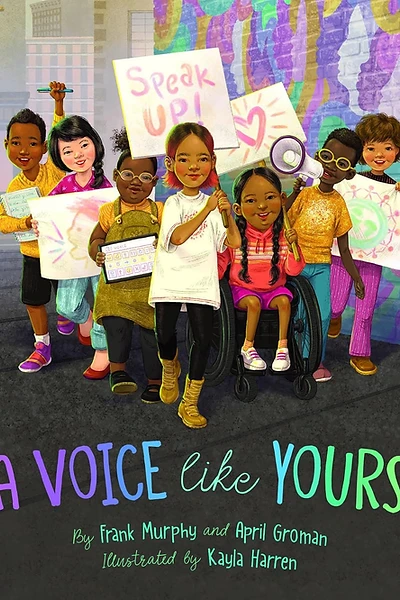
A Voice Like Yours
by Frank Murphy and April Groman
Pacing MaterialAn empowering story that encourages children to find and use their own unique voice. The book motivates readers to speak up for themselves and others to create positive change.
Big Idea
Your voice has the power to change the world when you use it with kindness and courage.
Discussion Questions
- 1.What makes your voice special?
- 2.When is a time you felt scared to share your opinion?
- 3.How can you use your voice to help a friend?
- 4.Why is it important to listen to other people's voices too?
- 5.What is something you want to change in the world?
Classroom Activity
My Unique Voice Collage
Students create a collage that represents their interests, passions, and the things they want to stand up for.
Lesson Plan
Learning Goals
- Articulate personal values
- Connect personal identity to self-expression
- Practice public speaking through presentation
Activity Steps
- 1.Discuss the meaning of 'finding your voice'
- 2.Gather magazines or drawing tools
- 3.Select images or words that represent your values
- 4.Arrange and glue items onto a poster
- 5.Present the collage to a partner explaining why you chose those items
Standards Connections
- CCSS.ELA-LITERACY.SL.K.4
- SEL.CASEL.SelfAwareness
- National Core Arts Standard VA:Cr1.1
Pace-Write-Read Study with Pace-Write It!
Focus question: How does an author help readers feel the power of speaking up at just the right moment? In A Voice Like Yours by Frank Murphy and April Groman, children are encouraged to recognize that their words, ideas, and actions matter. The pacing moves in a steady, uplifting way, using short affirming lines, repeated ideas, and page-by-page build-up to help young readers feel confidence growing as the message of self-expression and empowerment expands.
| Element | How to notice or teach it in the novel |
|---|---|
| Pace | Read: Notice how A Voice Like Yours moves at a calm, encouraging pace, with each page adding one more way a child’s voice can matter. The book does not rush; it builds confidence step by step so readers can absorb the empowering message. Classroom Activity: Write a 4-page mini-book in which each page adds one new way a student can use their voice at school or home. |
| Plot | Read: This picture book does not follow one problem-and-solution storyline. Instead, the book builds a message arc about children using their voices for self-expression, kindness, fairness, and positive change. Classroom Activity: Create a beginning-middle-end chart showing how the book starts by honoring each child’s voice, grows by giving examples of speaking up, and ends with empowerment. |
| Prosody | Read: Listen to how the sentences in A Voice Like Yours sound when read aloud. The encouraging tone, smooth phrasing, and uplifting cadence make the book feel like a celebration of every child’s voice. Classroom Activity: Practice reading one page aloud with expression, then write two original lines that sound warm, confident, and inspiring. |
| Word pause | Read: Notice where the short sentences and line breaks in A Voice Like Yours make readers pause and think about important ideas like speaking up, helping others, and being heard. These pauses slow the reading and add meaning. Classroom Activity: Write three short lines about your own voice, using a line break after each important idea. |
| Concept | Read: The central concept in A Voice Like Yours is that every child has a unique voice that can make a difference. The pacing helps this big idea grow from personal expression to helping a larger community. Classroom Activity: Write one sentence that tells the big idea of the book, then add two examples of how a child can live that idea. |
| Voice & World View | Read: The book’s authorial voice is affirming, inclusive, and hopeful. Frank Murphy and April Groman present a world view in which all children deserve to be heard and can use their voices to improve the world around them. Classroom Activity: Write a short message to younger students in a kind, encouraging voice that tells them why their words matter. |
| Setting & Place | Read: A Voice Like Yours is not centered on one detailed setting; instead, it suggests the many places where children can use their voices, such as school, home, and community spaces. This broad approach helps every reader imagine themselves in the book. Classroom Activity: Draw and label one place where you can use your voice, then write two sentences set in that place. |
| Point of View | Read: The book speaks directly to the child reader, creating a close connection and making the message feel personal. This point of view helps the pacing feel immediate and supportive. Classroom Activity: Write three sentences directly to a classmate using the word you, encouraging them to speak up for something important. |
| Original Characters | Read: Rather than focusing on one main character, A Voice Like Yours presents many children and invites every reader to see themselves as part of the story. The children represent different experiences and remind readers that every voice counts. Classroom Activity: Invent a child character who uses their voice to help someone, and write a 3-sentence character sketch. |
| Dialogue | Read: Even when there is limited traditional dialogue, the book makes readers imagine what children might say when they speak up for themselves and others. The theme of voice encourages students to hear possible words in their minds. Classroom Activity: Write a short conversation between two children where one child uses a brave voice to help solve a problem. |
| Details | Read: Notice the specific examples that show how a voice can be used for kindness, leadership, fairness, and change. These details make the empowering message concrete for young readers. Classroom Activity: List three small details from school life where a child could use their voice, then turn one detail into a sentence. |
| Descriptions | Read: The descriptions in A Voice Like Yours are clear and uplifting rather than long or complicated. They help readers picture courage, care, and confidence in action. Classroom Activity: Write two describing sentences about what a strong, kind voice looks and sounds like. |
| Strong First Lines | Read: Notice how the opening of A Voice Like Yours quickly introduces the important idea that the reader’s voice matters. A strong beginning helps set the book’s empowering pace right away. Classroom Activity: Write an opening line for your own piece that begins with the words My voice can... |
| Immediacy & Engagement | Read: The direct language in A Voice Like Yours makes children feel included from the first pages. Readers are engaged because the message connects immediately to their own lives and choices. Classroom Activity: Write three sentences about a time you wanted to say something important, using now-feeling words like today, right here, or this moment. |
| Story Scenes & Summaries & Unique Structures | Read: This book uses a message structure more than a single scene-by-scene plot. It blends broad examples and short moments to create a cumulative feeling of empowerment. Classroom Activity: Make a two-column chart labeled Scene and Big Idea; in one column, jot an imagined moment from the book, and in the other, write the lesson it teaches. |
| Flashback & Flash Forward & Cliffhangers | Read: A Voice Like Yours does not rely on flashbacks or cliffhangers, but readers can imagine moments before and after a child speaks up. Thinking this way helps students understand how pacing can stretch beyond the page. Classroom Activity: Write one sentence about what happened before a child found courage to speak, and one sentence about what happened after. |
| Tension & Suspense & Surprise | Read: The book keeps a gentle kind of tension by asking readers to consider when and how they might use their voices. The emotional suspense comes from waiting for that brave moment when someone speaks up. Classroom Activity: Write a 3-sentence moment in which a child feels nervous, takes a breath, and finally says something important. |
| Page Turns and Chapter Breaks | Read: In this picture book, page turns help reveal one more idea about using your voice. Each turn acts like a small step forward in confidence and possibility. Classroom Activity: Plan a 4-page booklet and decide what new idea will be revealed on each page turn. |
| Performance | Read: A Voice Like Yours is meant to be heard as well as read. Its affirming lines invite strong oral reading, gestures, and expressive speaking that match the theme of using one’s voice. Classroom Activity: Choose one line from your writing and practice performing it with a proud posture and clear voice. |
| Personality | Read: The personality of the book feels caring, bold, and encouraging. That personality shapes the pacing because each page sounds like a supportive push toward self-expression and empowerment. Classroom Activity: Write a note from the book to a child, using a personality that is kind, brave, and cheerful. |
| Humor | Read: A Voice Like Yours is more heartfelt than funny, but readers may notice joyful moments and warm energy that keep the message inviting. Lightness in tone can help serious themes feel accessible to young children. Classroom Activity: Write one playful sentence about a voice that sings, cheers, or shares happy words to brighten a classroom. |
| Pause | Read: Important ideas in A Voice Like Yours often need a pause so readers can reflect on them. These quiet moments give children time to connect the message to their own experiences. Classroom Activity: Write a short 3-line poem about your voice and put a slash mark where a reader should pause. |
| Poetry and Poetic Devices | Read: The language in A Voice Like Yours has a poetic feel because of its repetition, rhythm, and uplifting phrasing. This poetic style helps the message linger in readers’ minds. Classroom Activity: Write a 4-line poem beginning with the repeated phrase A voice like mine... |
| Repetition | Read: Repeated ideas in A Voice Like Yours strengthen the message that every child’s voice matters. Repetition also supports pacing by returning readers again and again to the core idea of empowerment. Classroom Activity: Write three sentences that begin the same way, such as I can use my voice to... |
| Rhythm | Read: The rhythm of the text is smooth and reassuring, helping children feel steady as the message grows stronger. This rhythm supports read-aloud fluency and emotional impact. Classroom Activity: Clap the beat of one favorite line, then write your own sentence with a strong, even rhythm. |
| Punctuation | Read: Notice how punctuation in A Voice Like Yours helps shape expression, stopping points, and excitement. Periods, commas, and other marks guide the pacing so the message lands clearly. Classroom Activity: Write two encouraging sentences about using your voice, one with a period and one with an exclamation mark, then read both aloud to compare the effect. |
| Questions | Read: Even when the text is not built from many printed questions, the book invites readers to ask themselves important questions about fairness, courage, and speaking up. These inner questions deepen engagement with the theme. Classroom Activity: Write two questions a child might ask before speaking up, and then write one answer. |
| Compare-Contrast | Read: Readers can compare quiet moments and brave speaking moments in A Voice Like Yours. The contrast helps show growth from hesitation to confidence. Classroom Activity: Make a T-chart labeled Before I Spoke and After I Spoke, and write two details in each column. |
| Objects | Read: The illustrations and situations in A Voice Like Yours may include everyday objects from school, home, or community life that make the message feel real and relatable. Objects can anchor big ideas in familiar places. Classroom Activity: Choose one object, such as a microphone, pencil, or classroom sign, and write how it connects to using your voice. |
| Threes | Read: The book’s ideas can be grouped in threes, such as speaking for yourself, speaking for others, and speaking for change. Groups of three often create satisfying pacing for young readers. Classroom Activity: Write three ways your voice can help: one at home, one at school, and one in your community. |
| Whitespace & Negative Space | Read: In a picture book like A Voice Like Yours, open space on the page can give important words room to stand out. This visual pacing slows readers down and highlights the power of the message. Classroom Activity: Create a poster sentence about your voice using only six words and lots of blank space around it. |
| Art & Graphics | Read: The illustrations in A Voice Like Yours help show many children, emotions, and situations connected to self-expression and empowerment. The art works with the text to expand the meaning on each page. Classroom Activity: Draw a picture of a child using their voice in a brave way, then add one caption sentence inspired by the book. |
| Interactives & Gamification | Read: A Voice Like Yours invites participation because readers can connect each page to their own lives and choices. The book naturally lends itself to speaking, acting, sorting, and matching activities about when to use your voice. Classroom Activity: Play a classroom sort with cards labeled home, school, and community; then write one sentence for each category about how you can use your voice. |
Pace-Write It!
20-Minute Classroom Flow\nRead (5 min): Read A Voice Like Yours by Frank Murphy and April Groman aloud. Pause at a few pages to let students echo a strong line about voice, courage, or helping others.\nNotice (5 min): Ask: How does the book make us feel stronger page by page? Notice the short uplifting lines, repeated message about every child’s voice, and page turns that add new examples of speaking up. Create a quick class chart with the headings Words that Repeat, Places We Can Speak, and Feelings We Notice.\nWrite (7 min): Students write their own short empowering piece inspired by the book. Writing frame: My voice is ____. I can use my voice to ____. I can speak up when ____. My words can help ____. Encourage students to add one more line that begins with A voice like mine can....\nShare (3 min): Students read their favorite line to a partner or the class using a clear, proud voice. Invite listeners to notice one strong word or idea they heard.\nExit ticket: Complete this sentence on a sticky note: One time I can use my voice is ________.